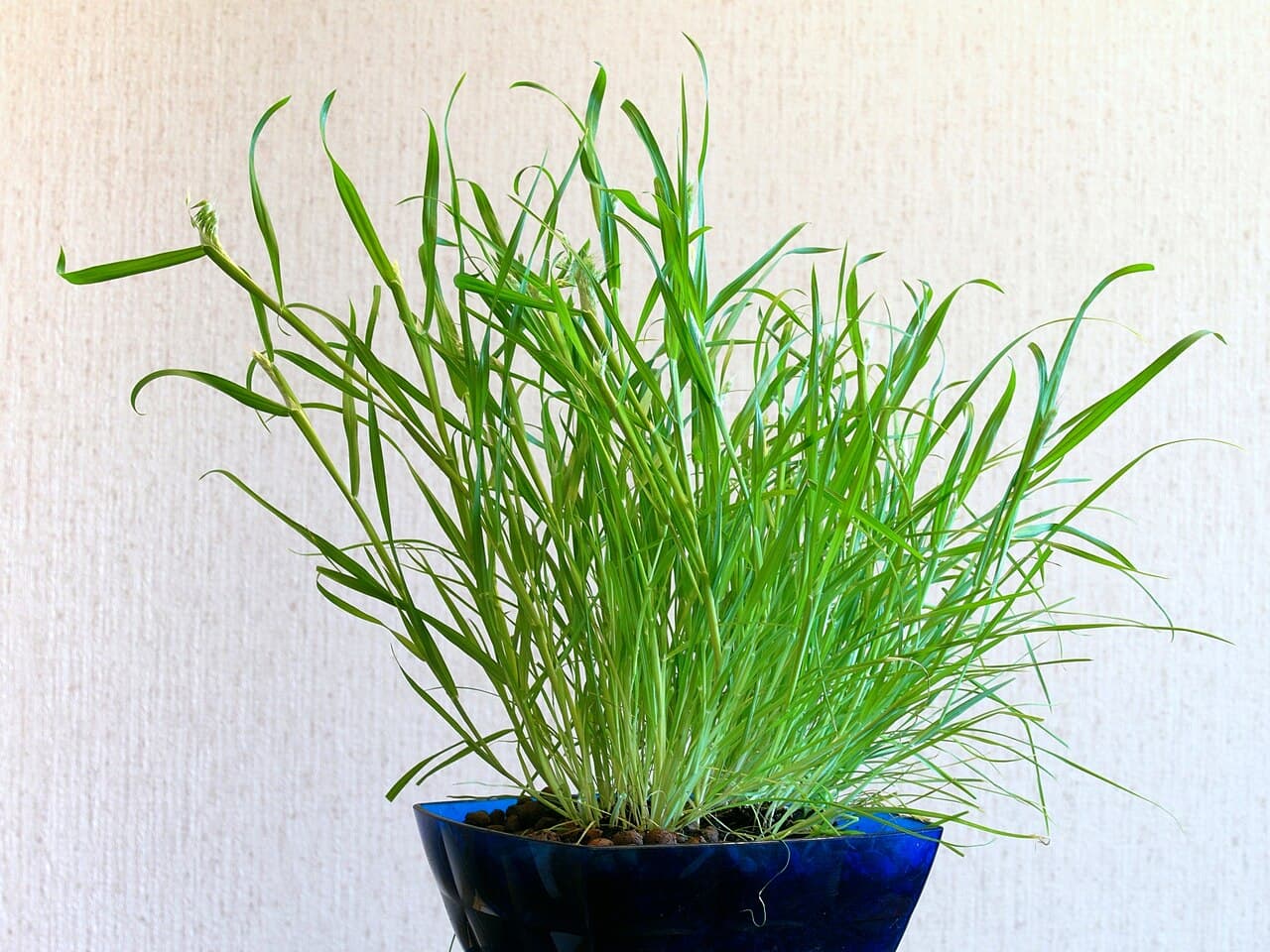
Roundup
Indoor Plants: 12 Reliable Picks for Real-World Apartments
Picked for light tolerance, water forgiveness, and pet safety where it matters. The houseplants that survive renters, low light, and missed waterings.

The “types of X” roundup that earns the click — honest difficulty per plant, real photography, and a reason each one made the list.
Picked for light tolerance, water forgiveness, and pet safety where it matters. The houseplants that survive renters, low light, and missed waterings.
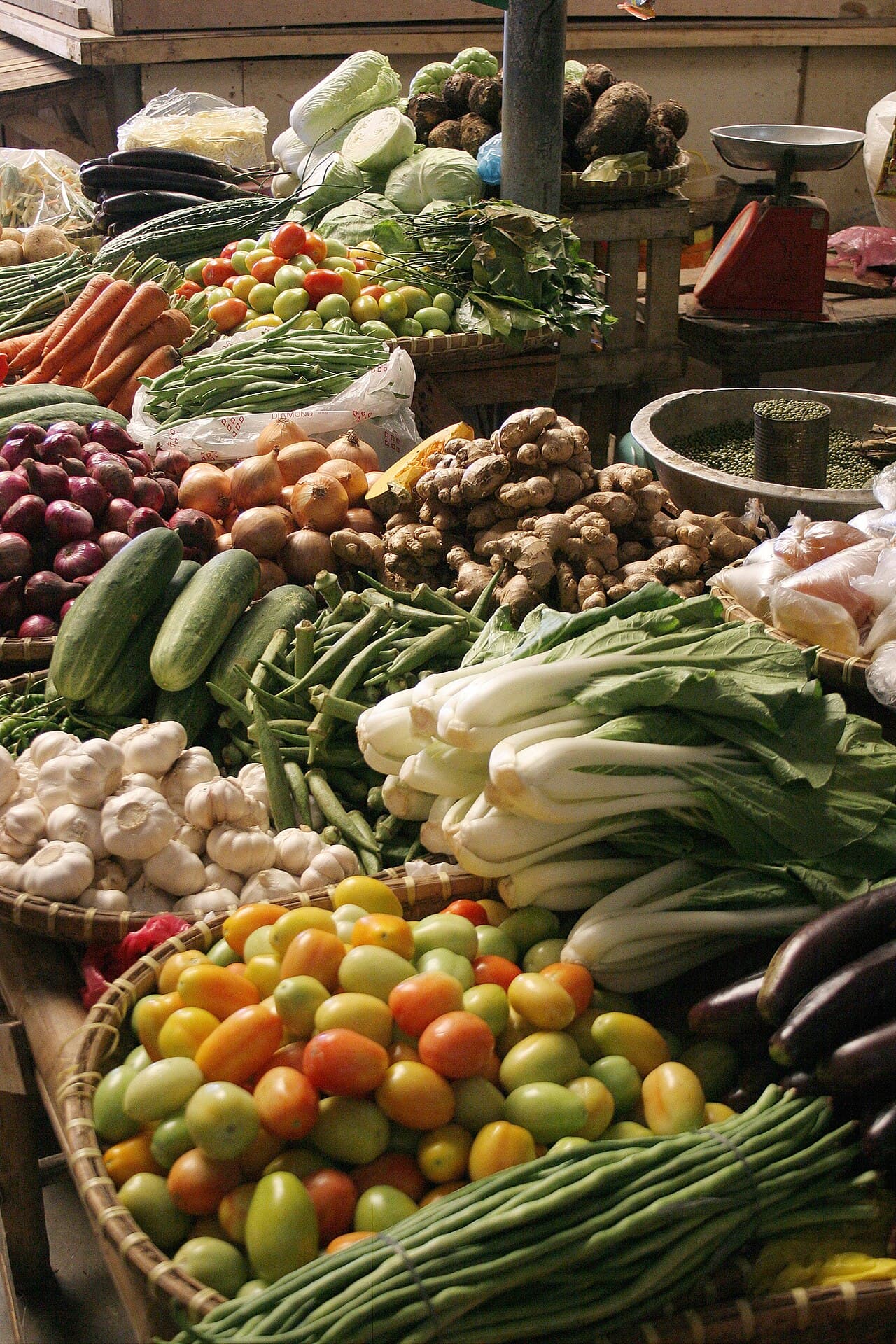
Picked for productivity per square foot, ease of growing, and the difference between grocery-store and home-garden taste. The crops that earn their bed in year one.
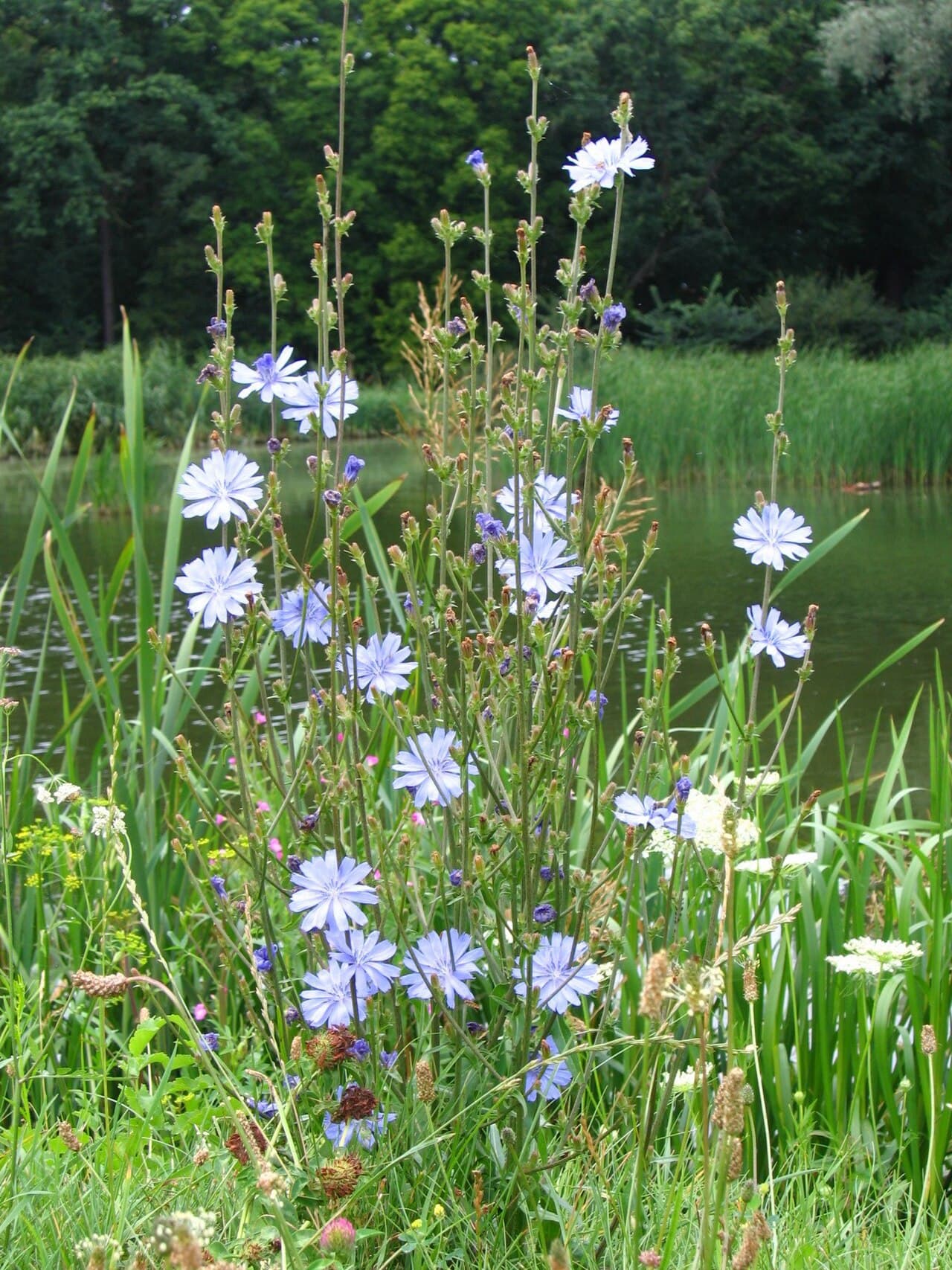
Picked for reliability, drought tolerance, divisibility, and the difference between buying once and buying every year. The perennials that build the framework of a long-running bed.
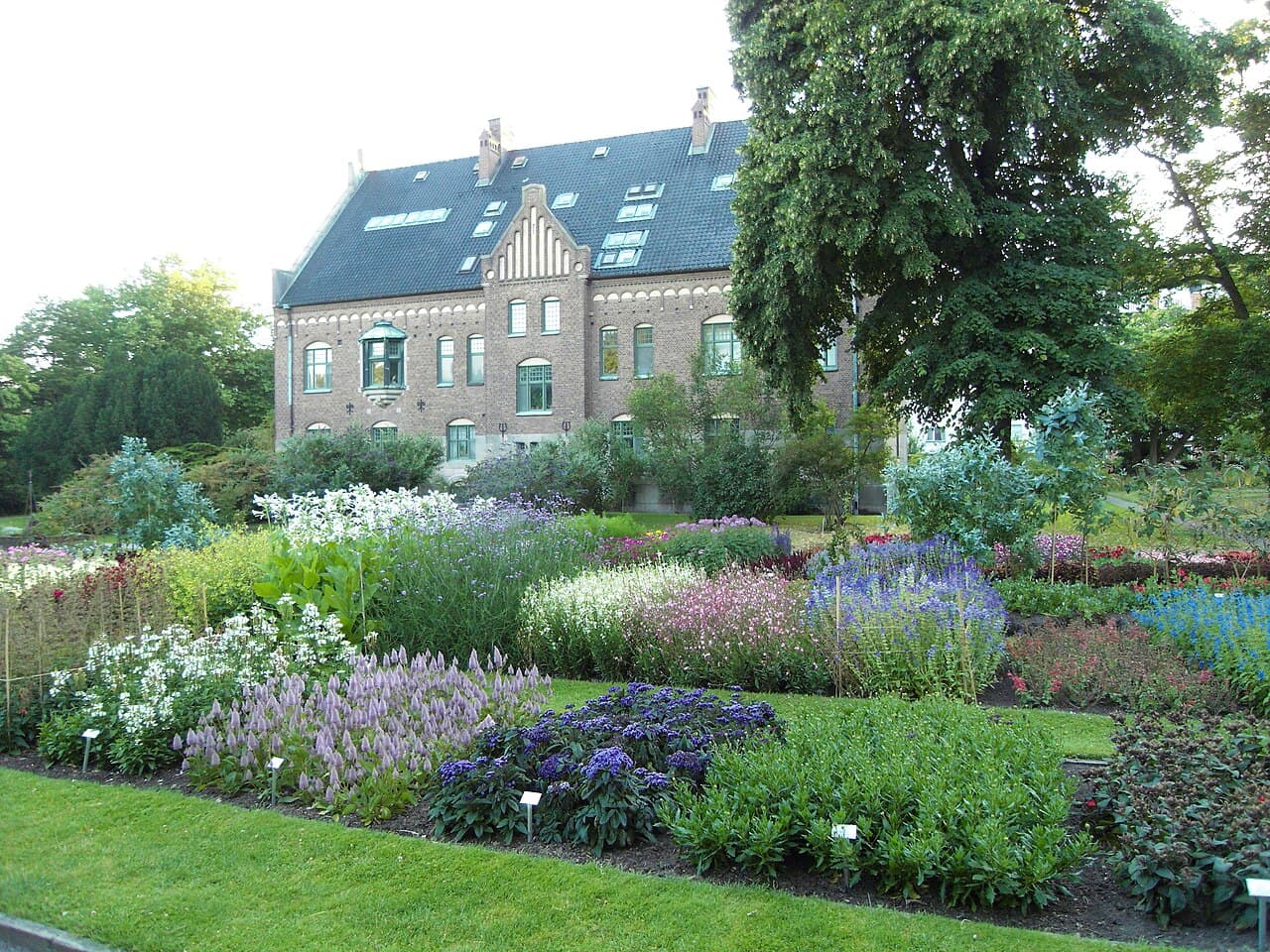
A working tour of the different types of flowers — annuals, perennials, bulbs, and biennials — with a field-tested representative of each and the zones it actually lives in.
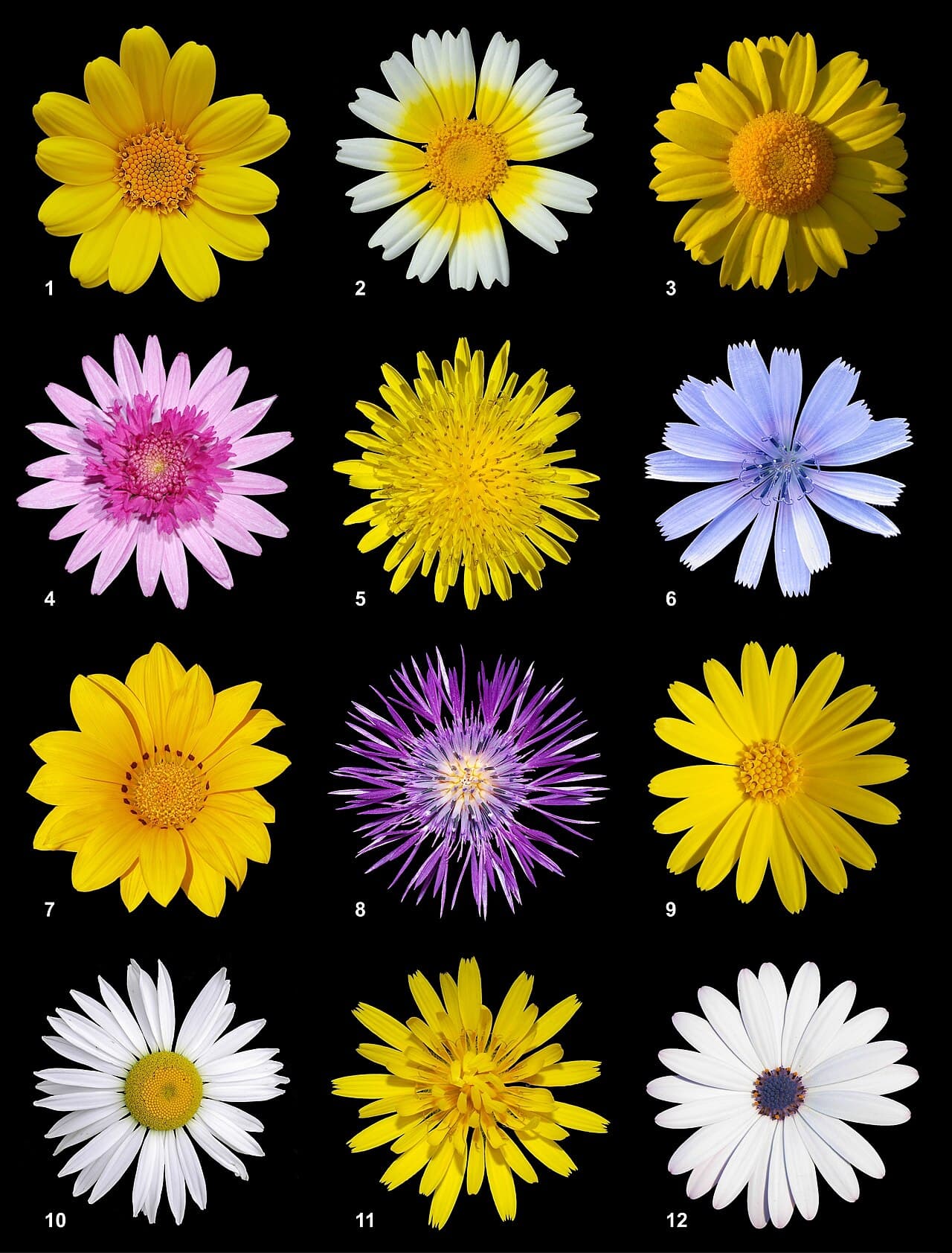
Direct-sow or set out transplants after frost; bloom from June to October; replant each year. The annuals worth the bed space.
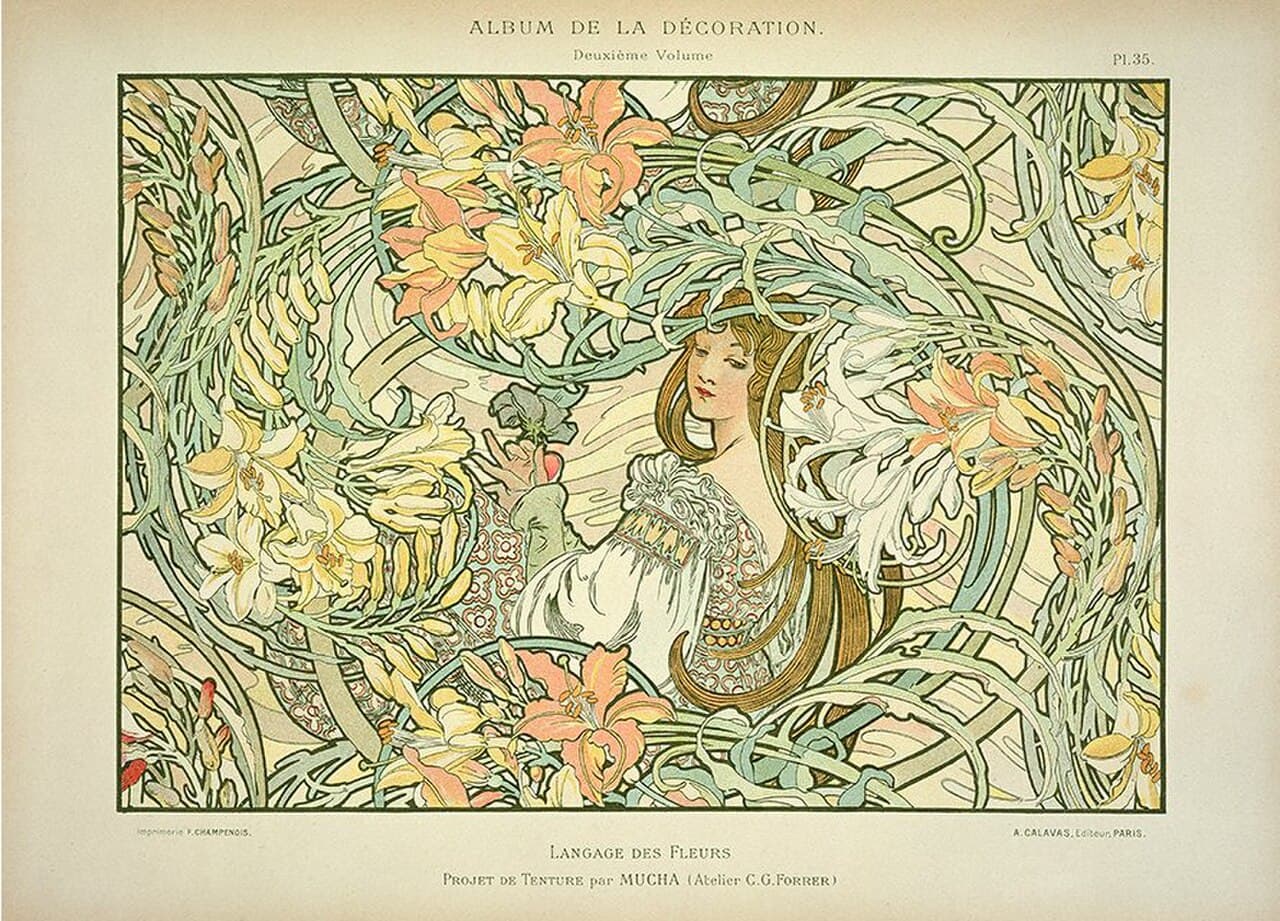
Twelve months, twelve traditional flowers (in some traditions, two per month). The list from a working gardener — with which of each you can actually grow.

Twelve types of palm trees worth knowing — from needle palm that survives a hard freeze to the queen palm of warm coasts — each sized to the zone where it actually lives.
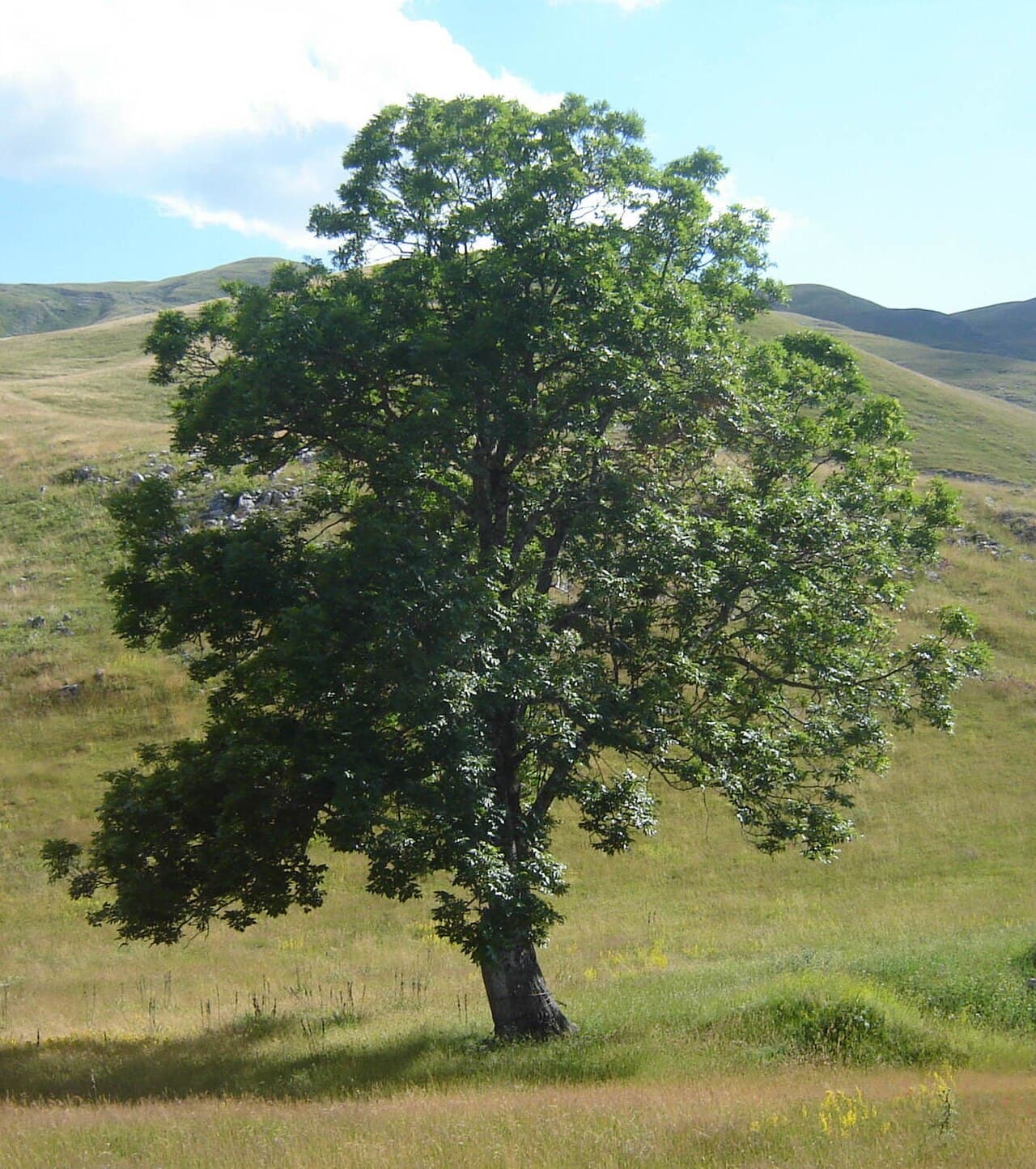
A field guide to the main types of trees — deciduous, conifer, and broadleaf evergreen — through twelve species I've planted or lived with in zone 7b.
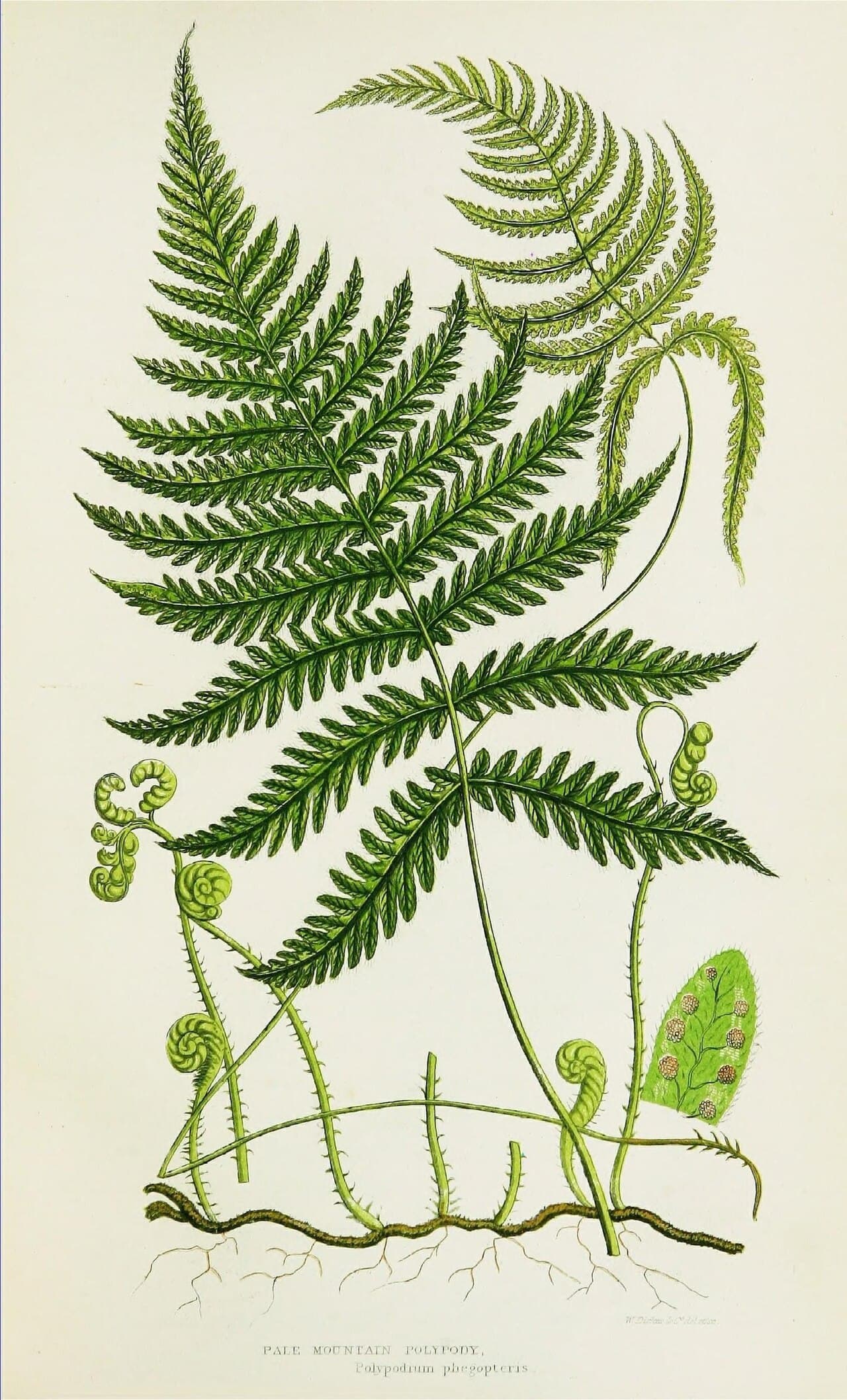
The hardy garden ferns that fill the shade under my trees, plus the tender beauties that earn a place indoors — sorted by where each one actually thrives.
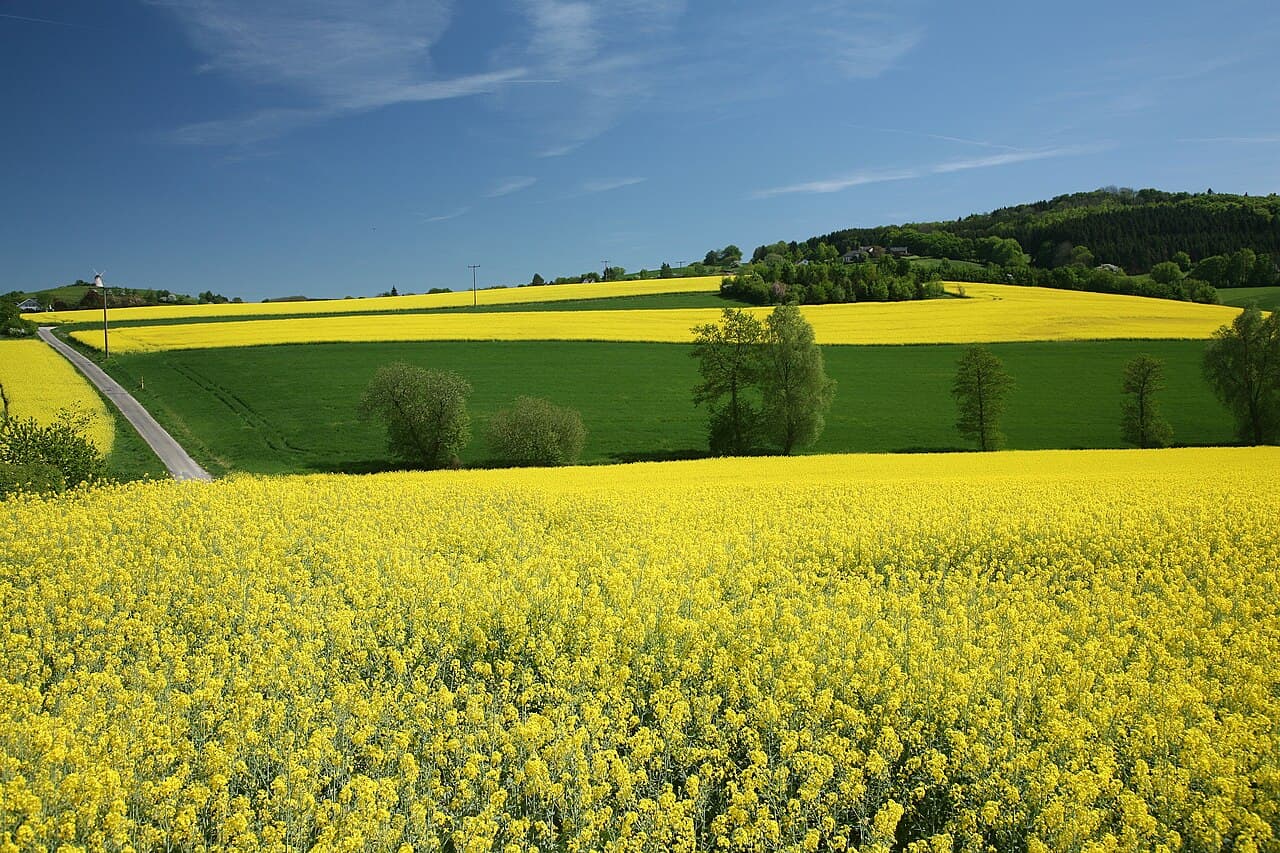
Types of Plants — our editors' field-tested picks, with zone, sun, and the cultivar that earned its place.
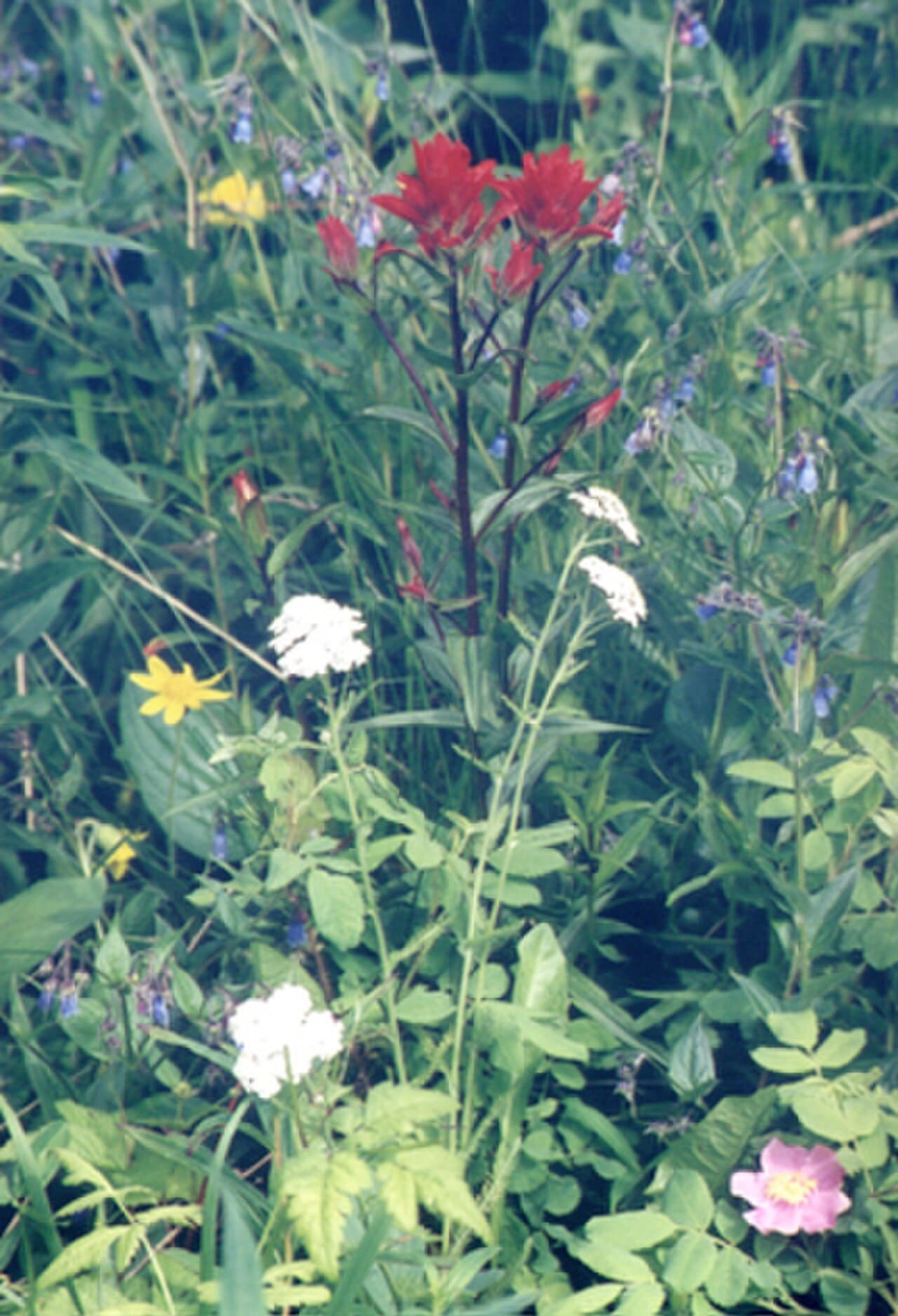
Native perennial wildflowers for the meadow, the prairie strip, or the bed where lawn was struggling. Feeds local pollinators; once established, near-zero maintenance.
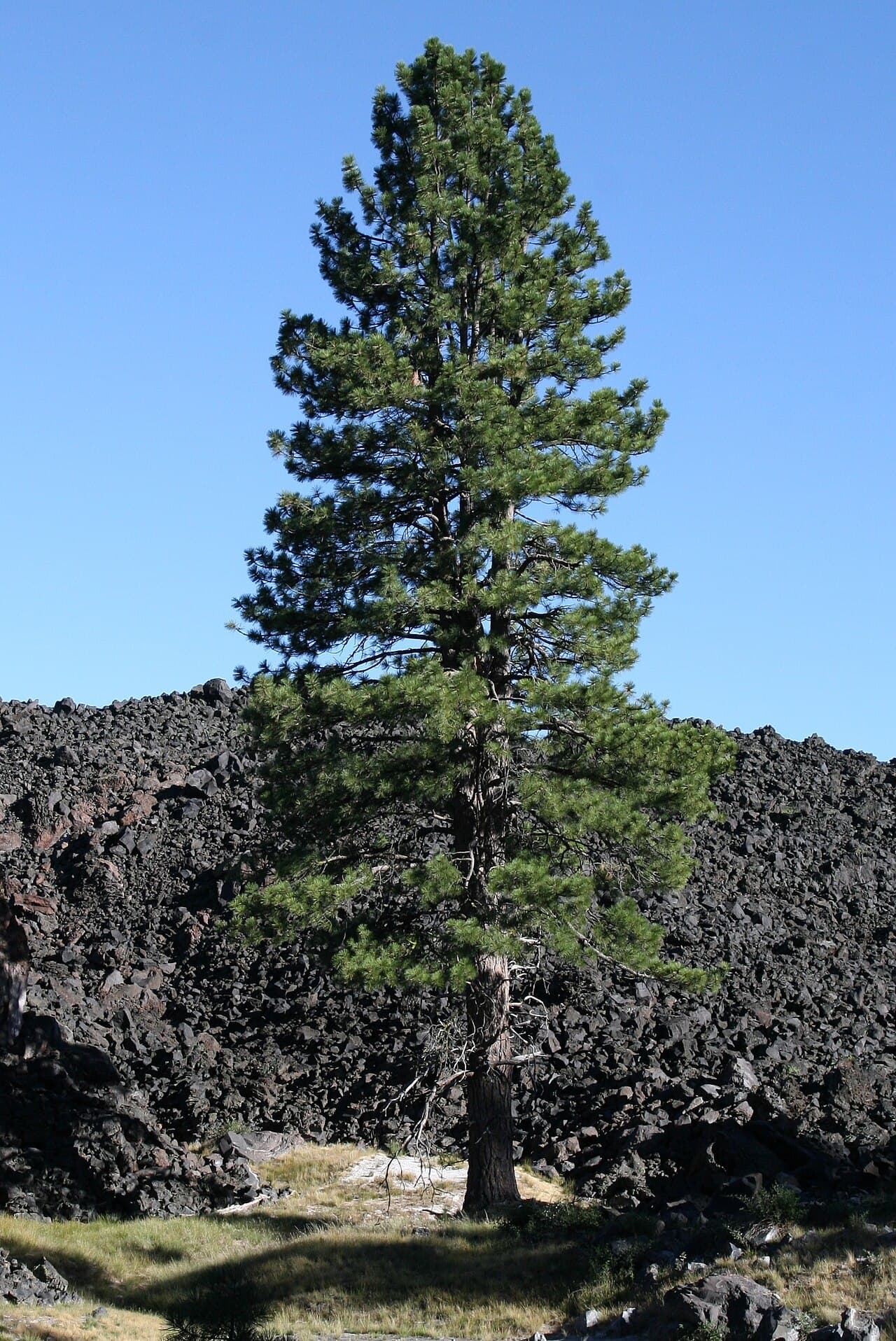
How to tell the common pines apart by their needle bundles — and which ones actually belong in a home landscape versus a hundred-foot forest.
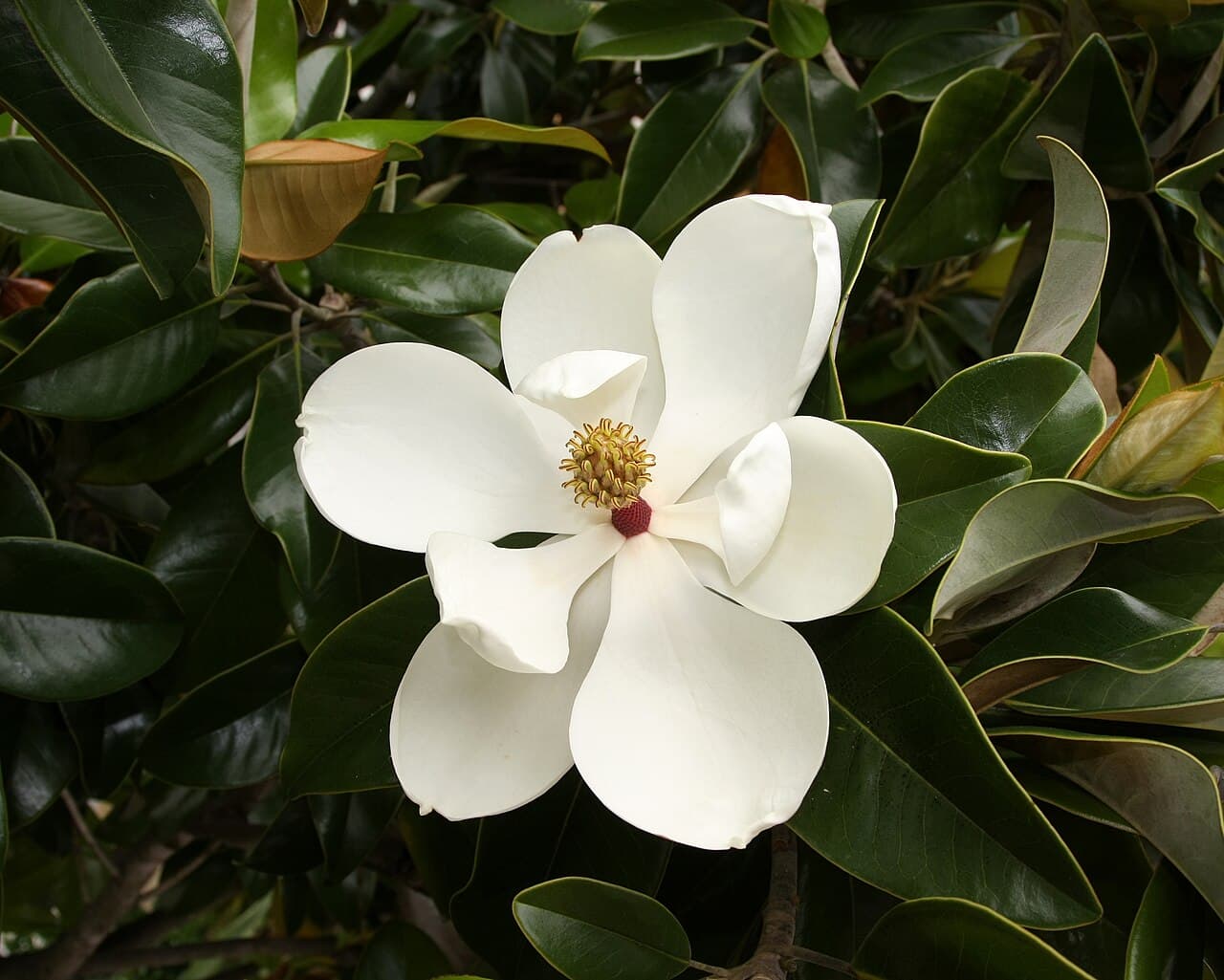
Annuals, perennials, biennials, bulbs, and a quiet shrub or two — the flowers I trust enough to recommend, with zone, sun, bloom time, and the named cultivar that earned its place.
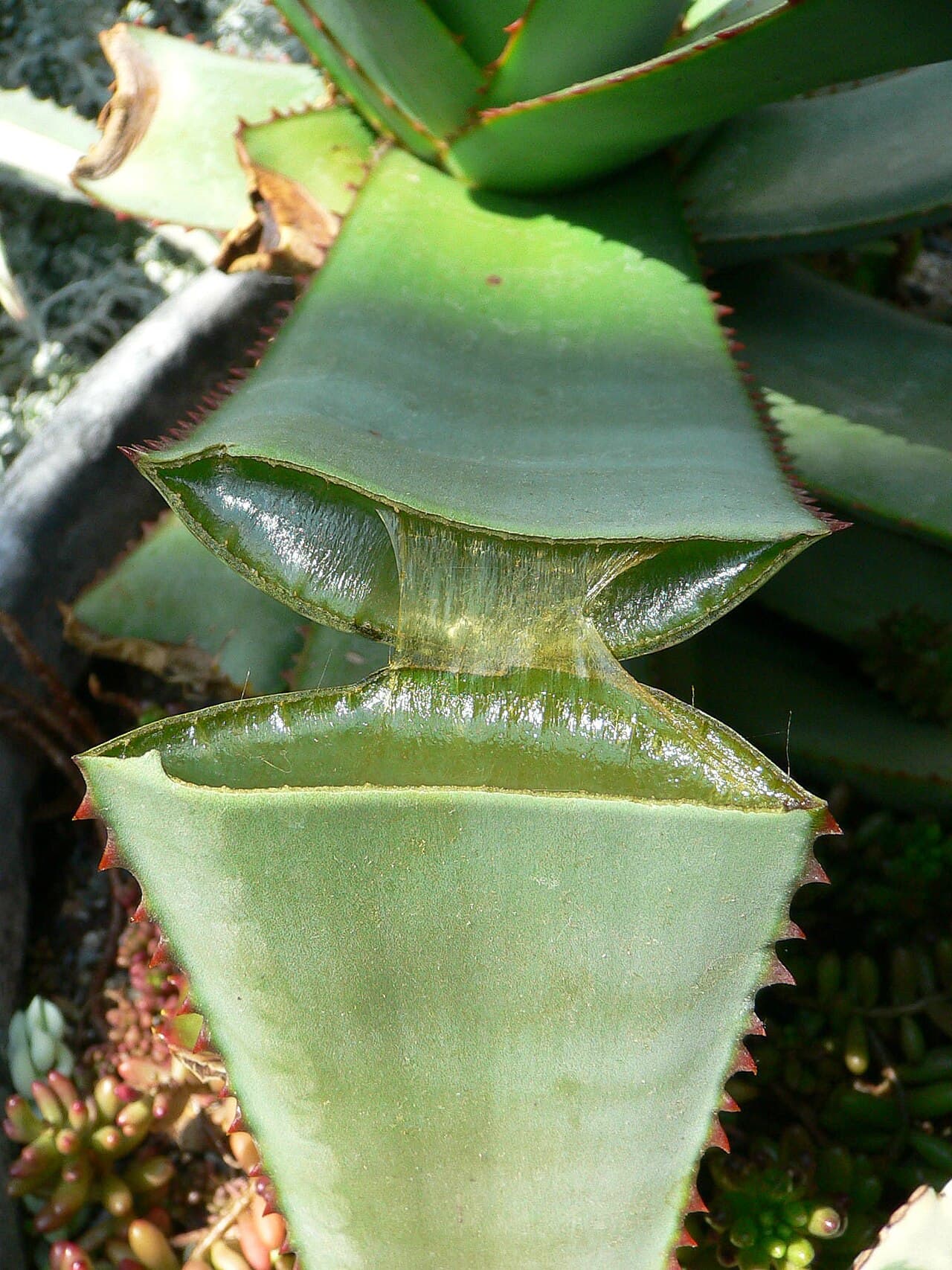
From cold-hardy stonecrops that overwinter in my zone 7b beds to tender rosettes that come indoors — the succulents I actually grow, and where each one belongs.

A zone-by-zone field guide to the perennials and annuals that actually flower from June to frost, with the honest deadheading and watering each one demands.
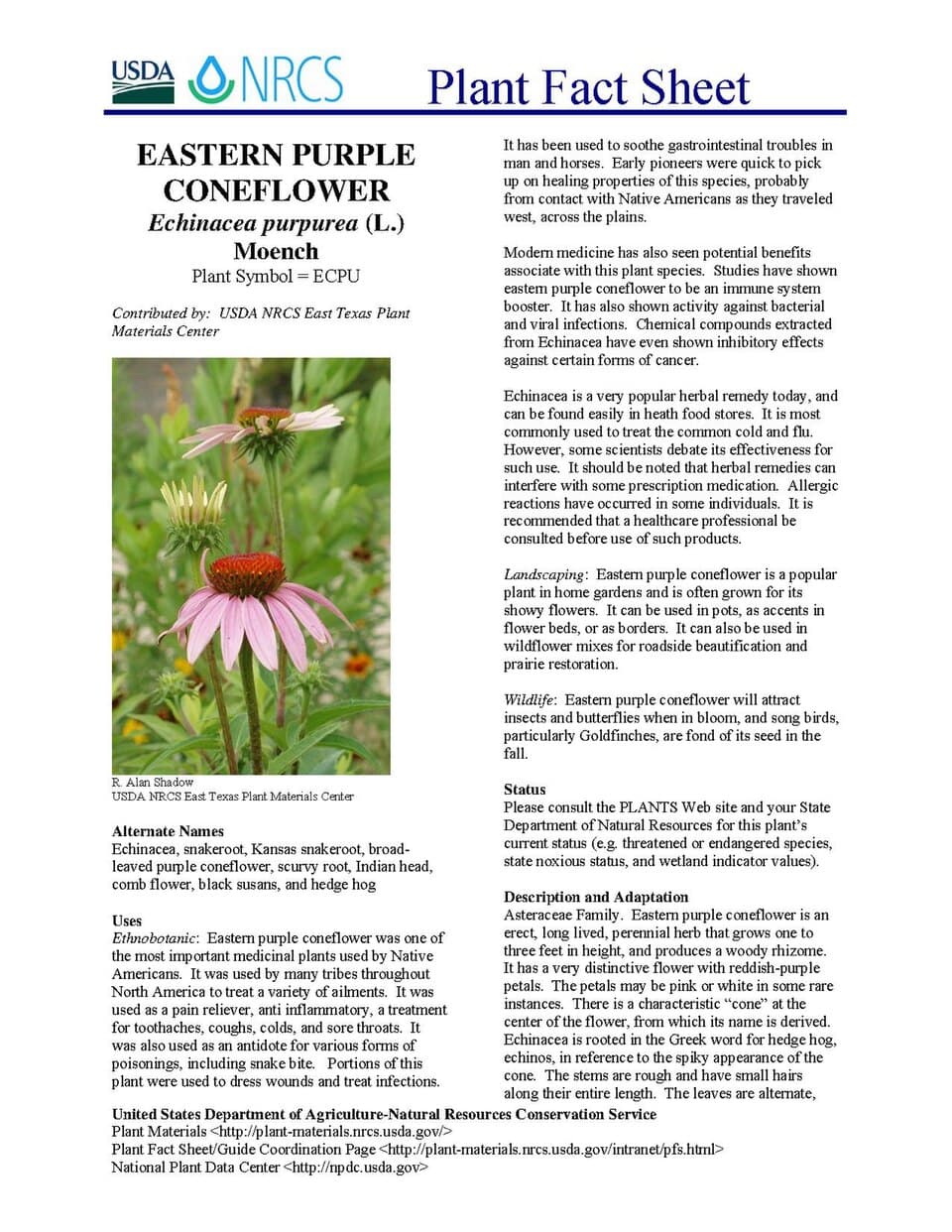
Twenty sun-loving perennials I have actually grown, planted, and divided, with honest zones, real bloom windows, and the few that will quietly outlive the rest of your border.
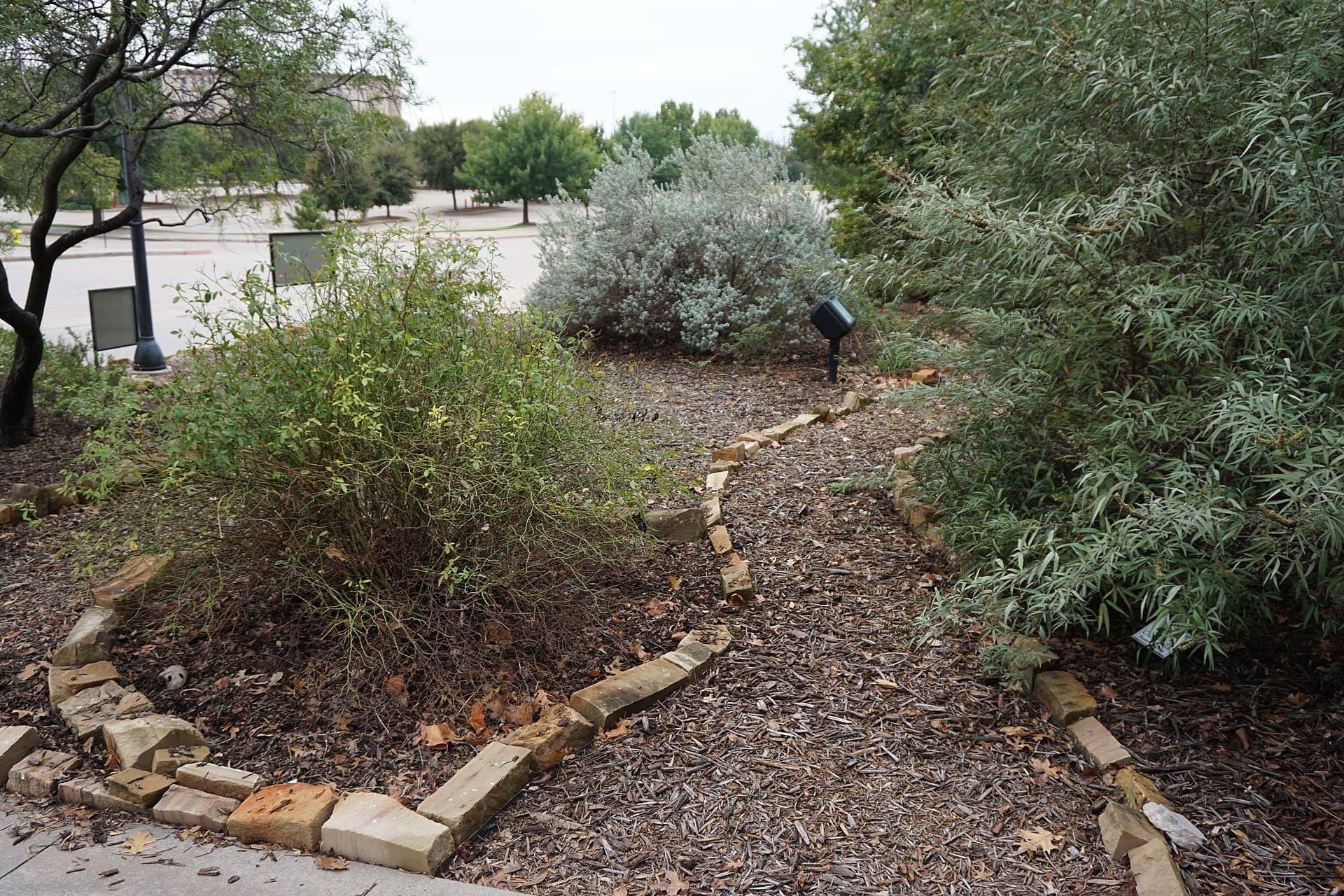
The toughest plants in my garden are the ones I water least, and after a decade of trials these are the perennials, grasses, and shrubs that earn their keep through a dry summer without a fuss.

No plant is truly deer-proof, but these aromatic, fuzzy, bitter, and toxic picks are the ones the herd in my own Zone 6 garden walks right past.

The tough, beautiful perennials I actually plant in the dark corners under maples, north walls, and dry root-bound beds where everything else sulks or dies.
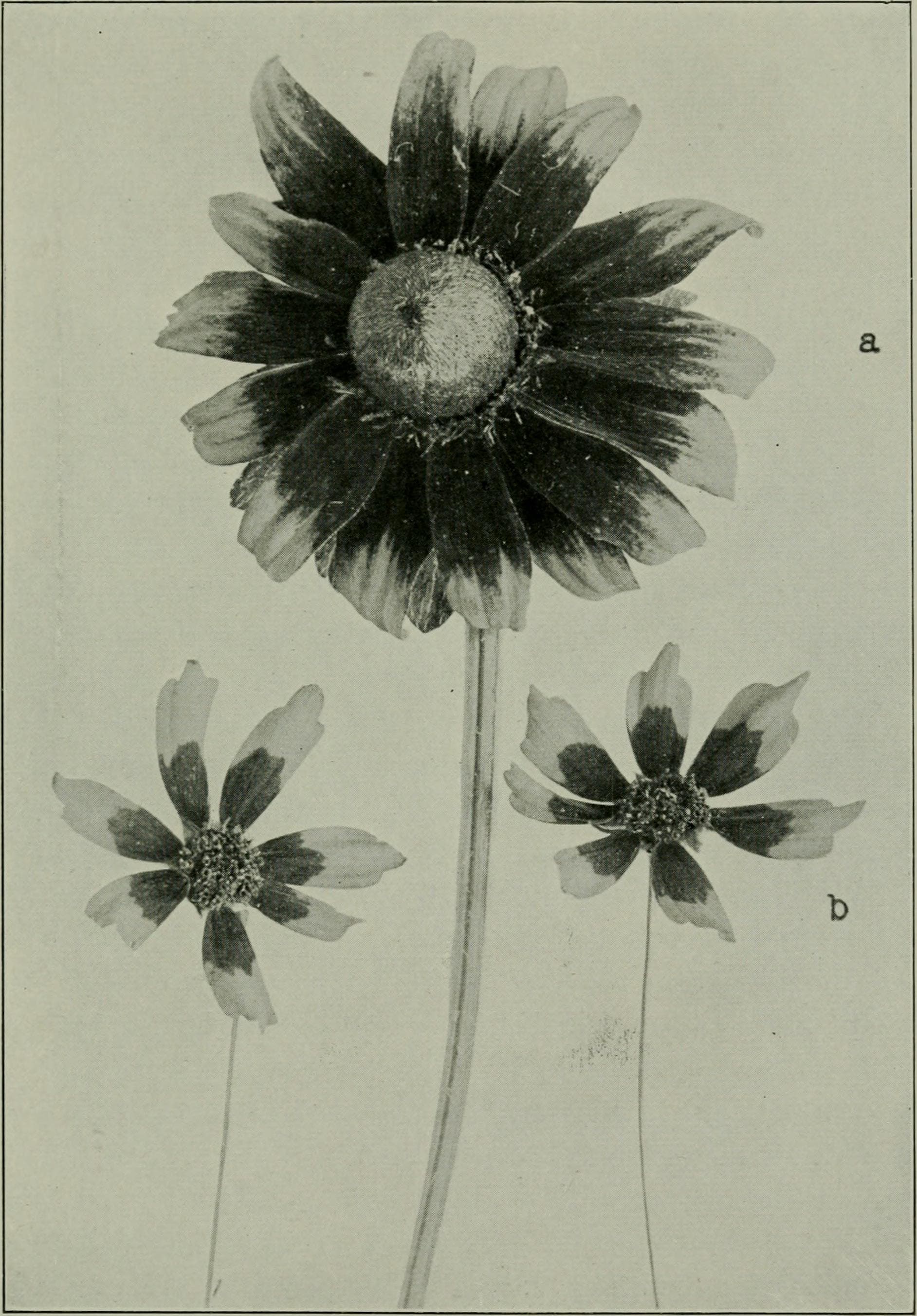
A zone-by-zone, bloom-by-bloom shortlist of the pollinator plants that actually pull bees and butterflies into a real backyard, with the honest difficulty notes most lists leave out.

The twelve fall-planted bulbs I trust for a long, layered spring, with honest notes on which ones naturalize, which the deer leave alone, and exactly how deep to set each one.
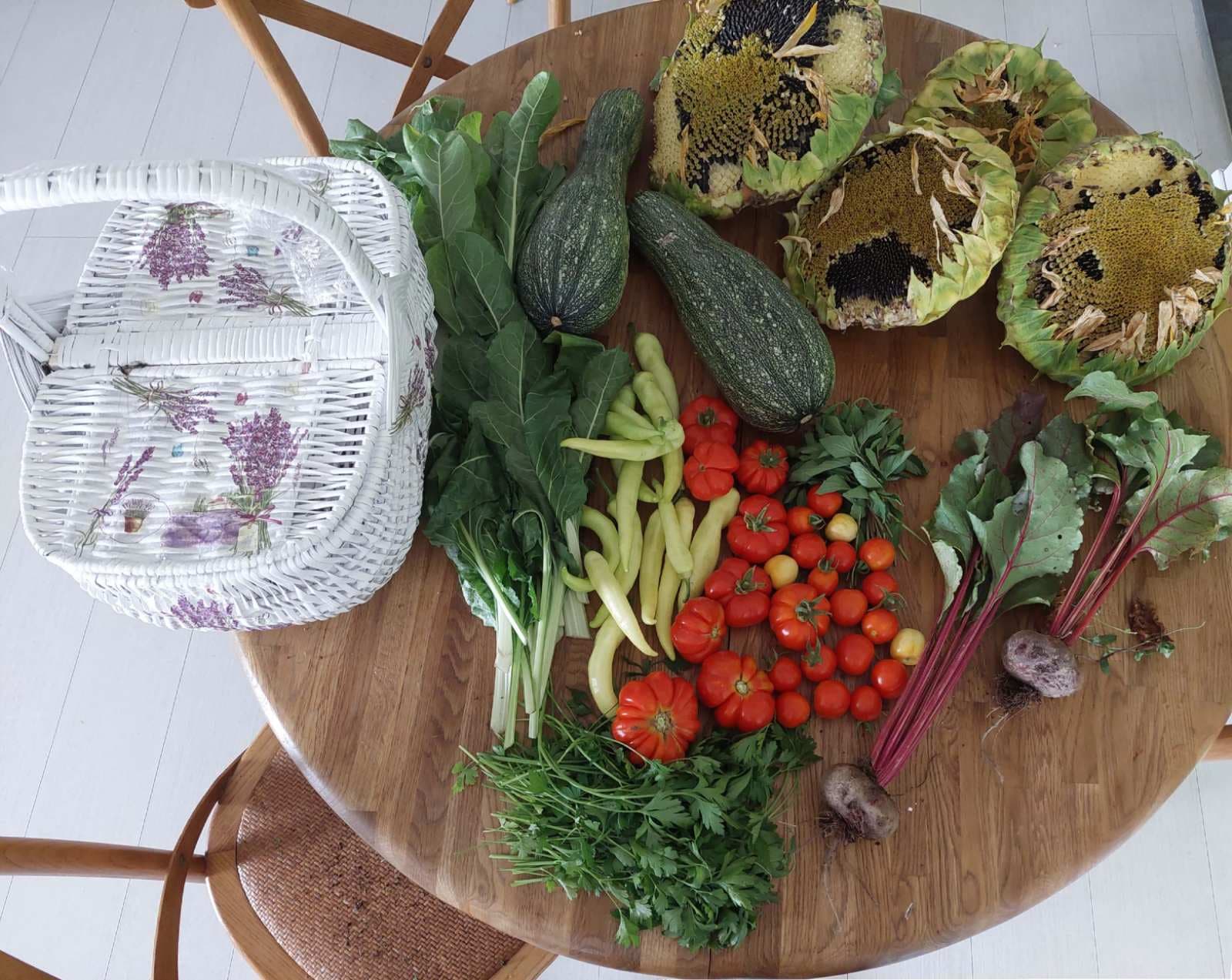
The fifteen vegetables here forgive crowding, missed waterings, and rookie timing, and they still hand you something to eat. Each pick comes with real depths, spacings, and named cultivars I have actually grown.

The dozen herbs that actually forgive a beginner, ranked by honest difficulty, with the light, water, and zone notes that decide whether they live or sulk.
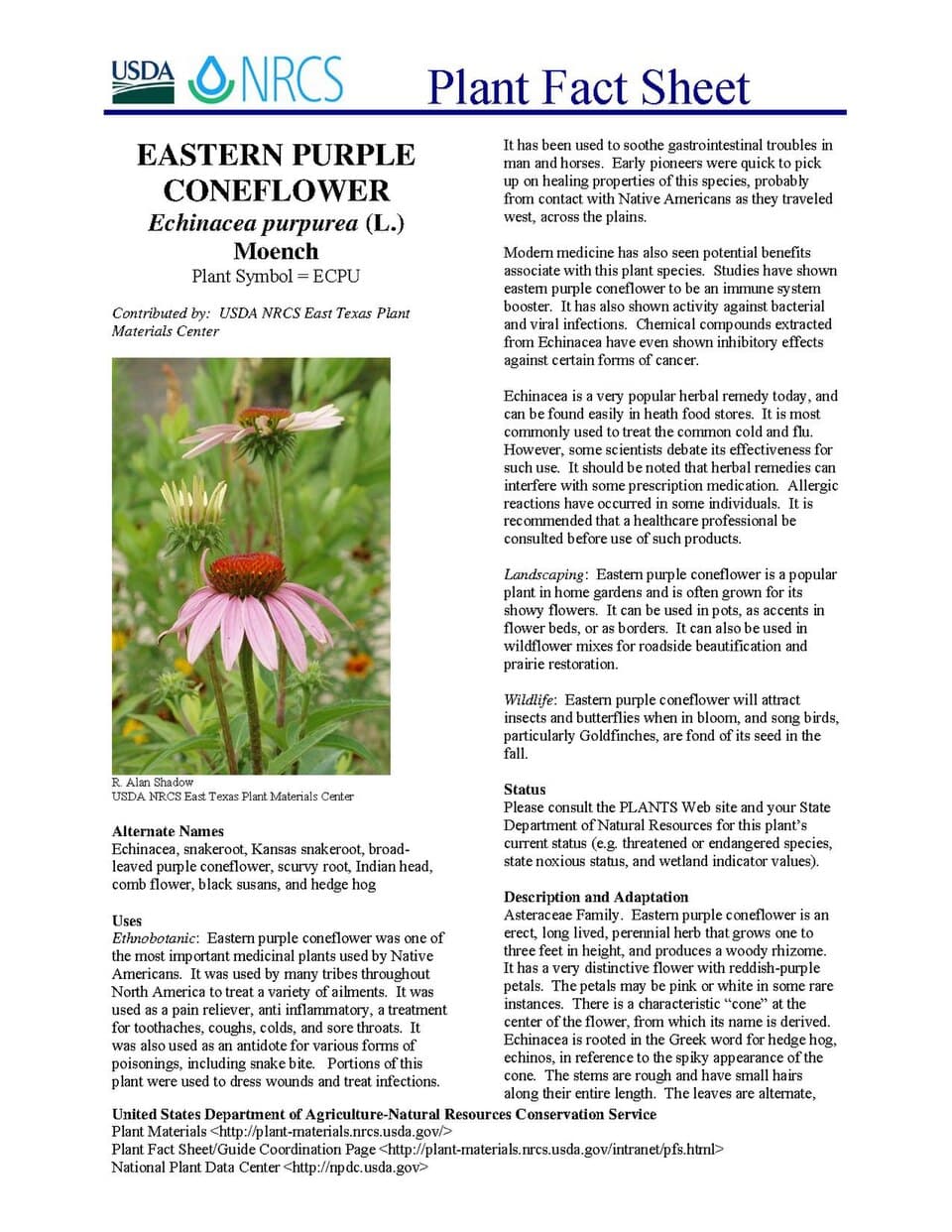
Twenty-two regionally adapted natives that pull in bees and butterflies, shrug off drought once rooted, and ask almost nothing of you after the first season.

Skip the generic lists. These eighteen perennials, shrubs, and grasses send roots straight through dense clay, with the zones, cultivars, and planting depths I have actually tested in my own slick gray subsoil.

The fragrant flowers actually worth your bed space, sorted by when they bloom and how close you need to plant them to smell anything at all.
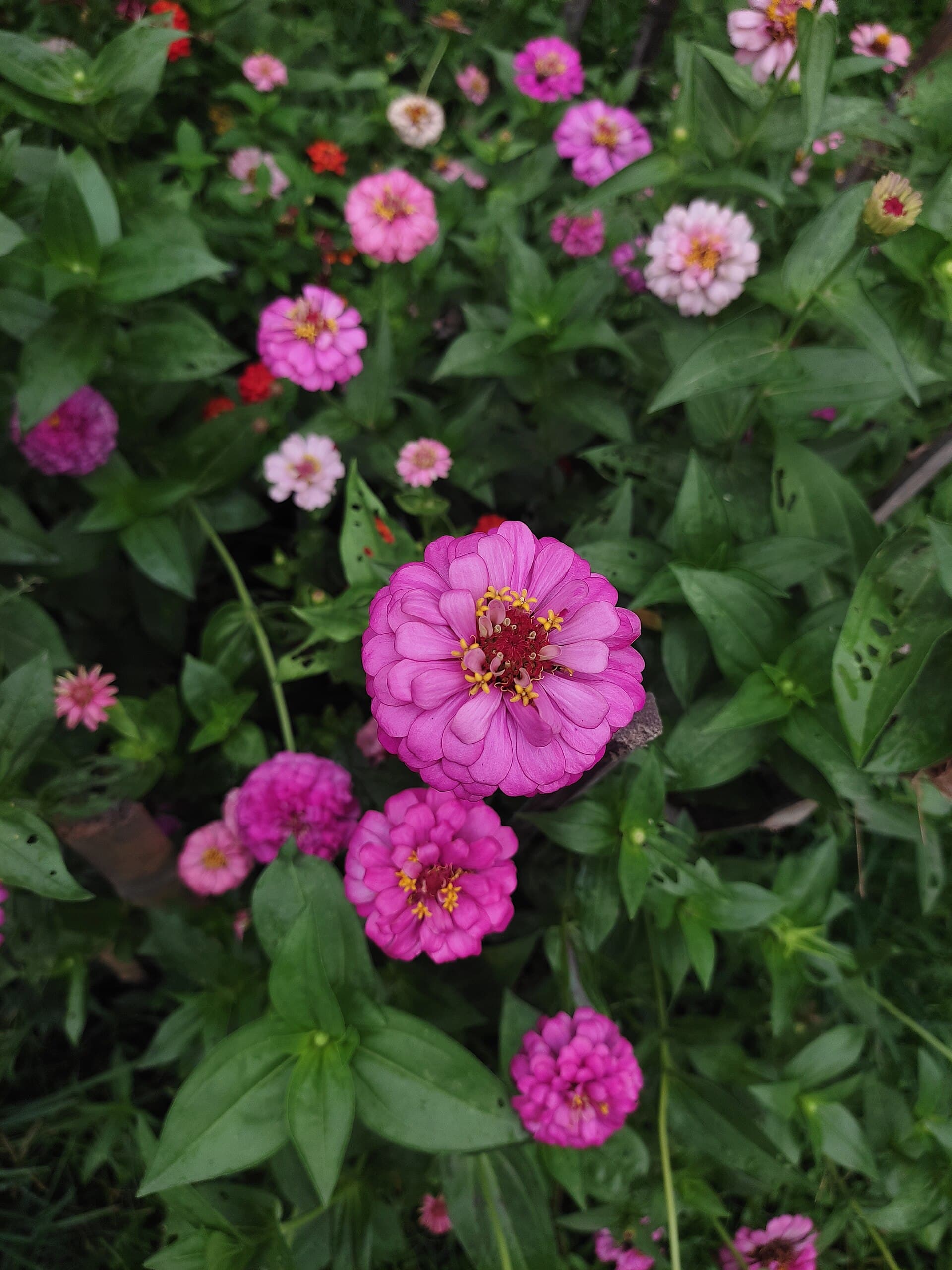
A working cutting garden, sequenced cool season to warm, with the named cultivars, sowing depths, and stem lengths I actually use to cut bouquets from April to frost.
A weed-smothering ground cover is not a quick fix but a three-season strategy. Here are the 18 plants I trust to knit shut bare soil, matched to sun, shade, and zone.
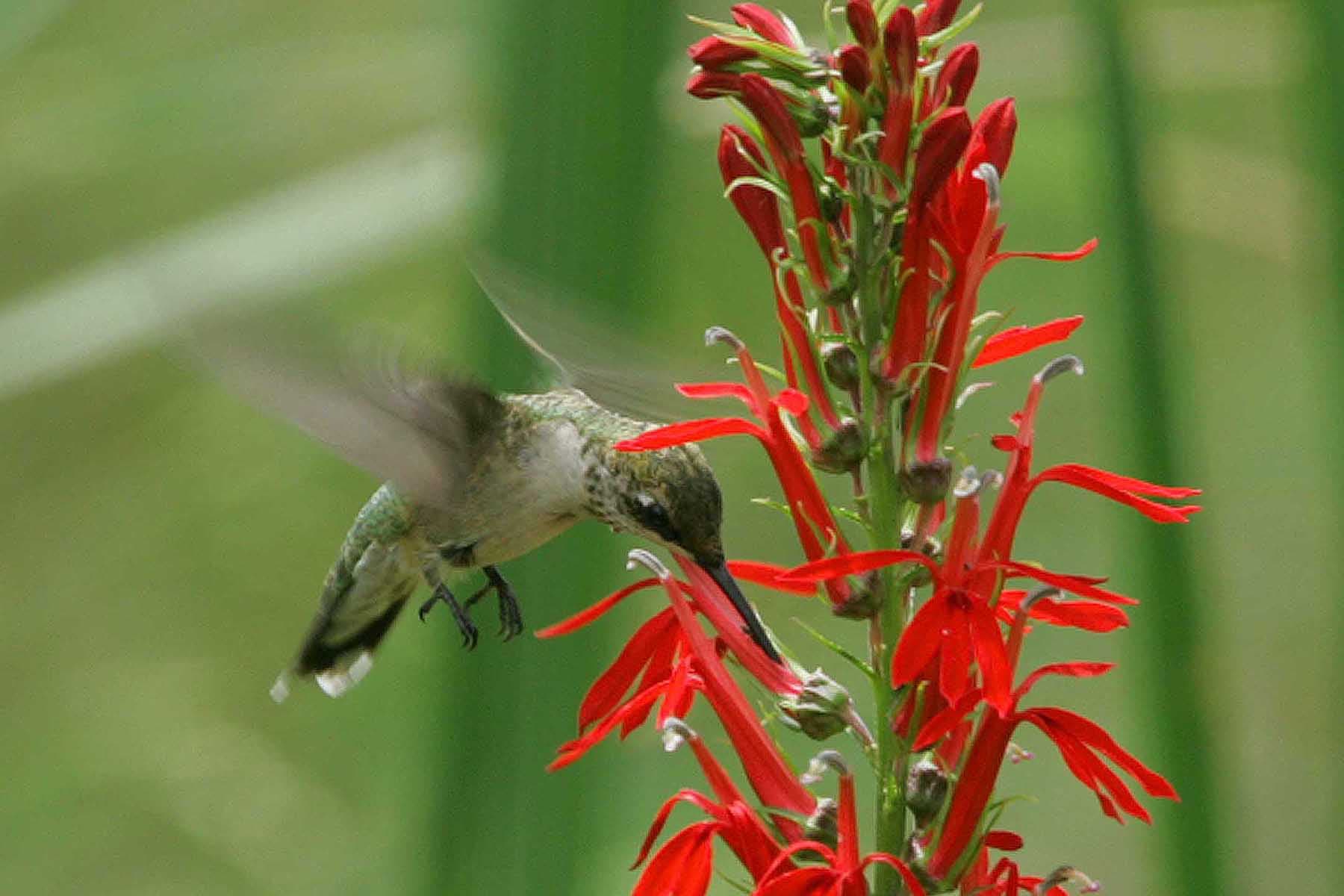
Sixteen nectar-rich, hummingbird-tested plants, organized by bloom time and hardiness zone so your garden feeds these tiny birds from the first spring arrivals through the last fall migration.

The flowering shrubs I plant for clients and in my own beds, chosen by USDA zone, bloom window, and how much honest fuss each one actually demands.