How I chose and tested this list
I did not assemble this from other people's lists. Every plant here has spent at least two seasons in my own beds in a cold-winter, hot-summer climate, and I kept notes on the three things that actually decide whether a flower earns its space: how reliably it germinates and grows, how long and usable the stems are, and how many days it holds in a vase once cut and conditioned. A flower can be gorgeous in the field and useless on the table; lisianthus is a queen but slow and fussy, while a humble bachelor's button asks almost nothing and gives for weeks. Both made the list, but I tell you which is which.
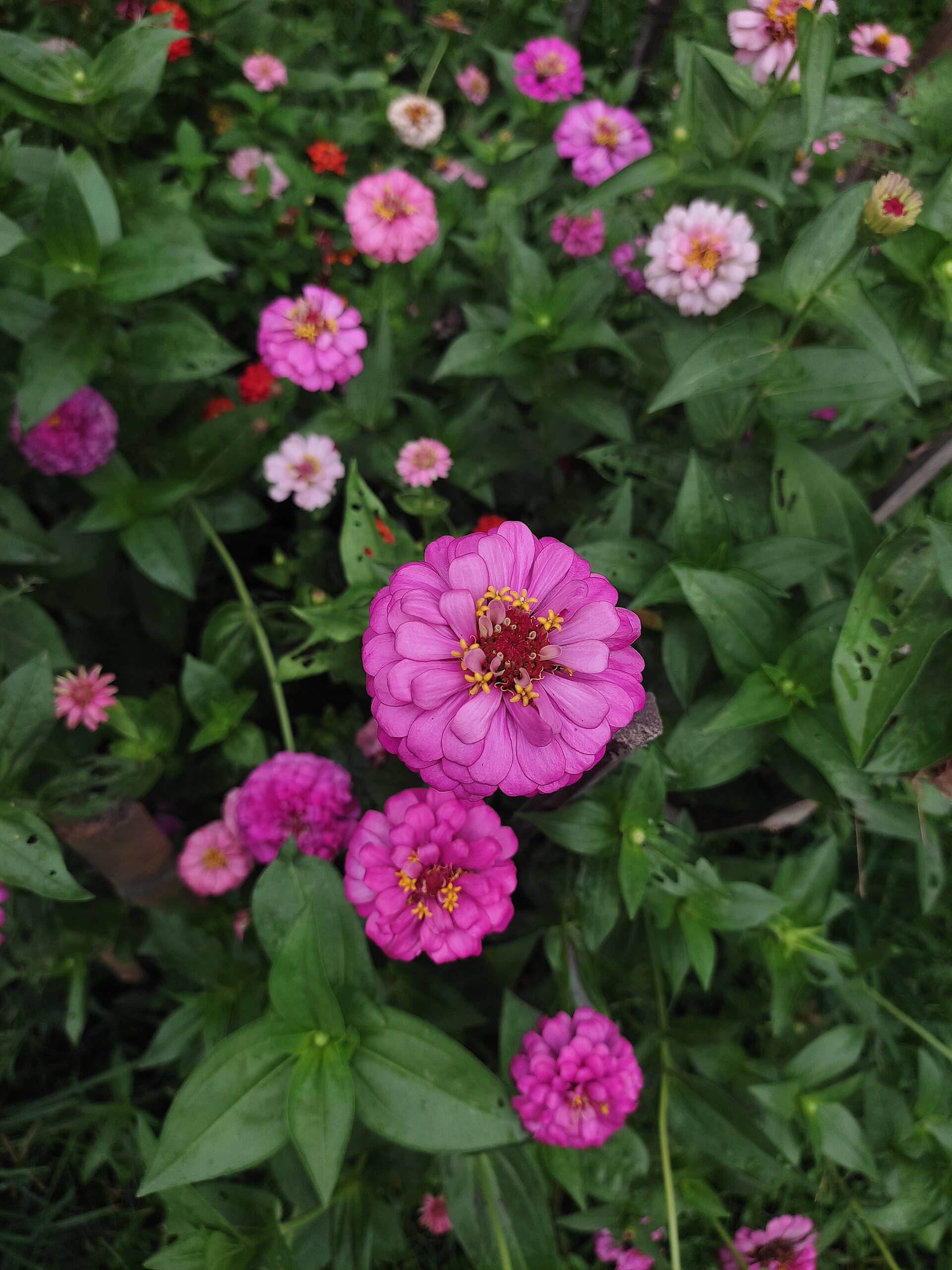
For each pick I confirmed the growing specifics against grower references I trust, then checked them against what I actually saw. The numbers you will see, germination in four to seven days for zinnias, blooms in roughly sixty days, vase life of seven to ten, are the ones that held up in practice, not the most optimistic figure on a seed packet. Where a plant is genuinely harder than its reputation, I say so. Honesty about difficulty is the wedge most cut-flower lists are missing.
I also weighted the list toward an organic-first, low-input approach. None of these require synthetic fungicide programs or heated greenhouses to perform. A few of the cool-season hardy annuals do reward a little protection, a low tunnel or a cold frame, or fall planting, but the baseline assumption is a home garden with good soil, full sun, and a watering can. Where a plant truly needs a cooler or special conditioning to reach its full vase life, I flag the technique rather than pretending the flower is effortless.
Finally, I balanced the roles a bouquet needs. Florists think in terms of focal flowers, the big show-stoppers your eye lands on; spike or line flowers that give vertical structure; airy filler that fills gaps and adds movement; and foliage or texture that grounds the whole thing. A cutting garden stocked only with zinnias makes flat, monotonous arrangements. So the twenty below are tagged by role, and if you grow even three focals, two spikes, two fillers, and one foliage, you can build a complete bouquet from your own beds without buying a single stem.
The result is a sequence, not a popularity contest. Read it as a planting calendar: the cool-season group goes in first, the warm-season group follows after your frost date, and a handful of perennials and bulbs reward the patience of a longer game. The table just below maps the whole list to season, role, and a difficulty grade so you can build your own order in five minutes.
| Flower | Season | Role | Difficulty | Vase life |
|---|
|