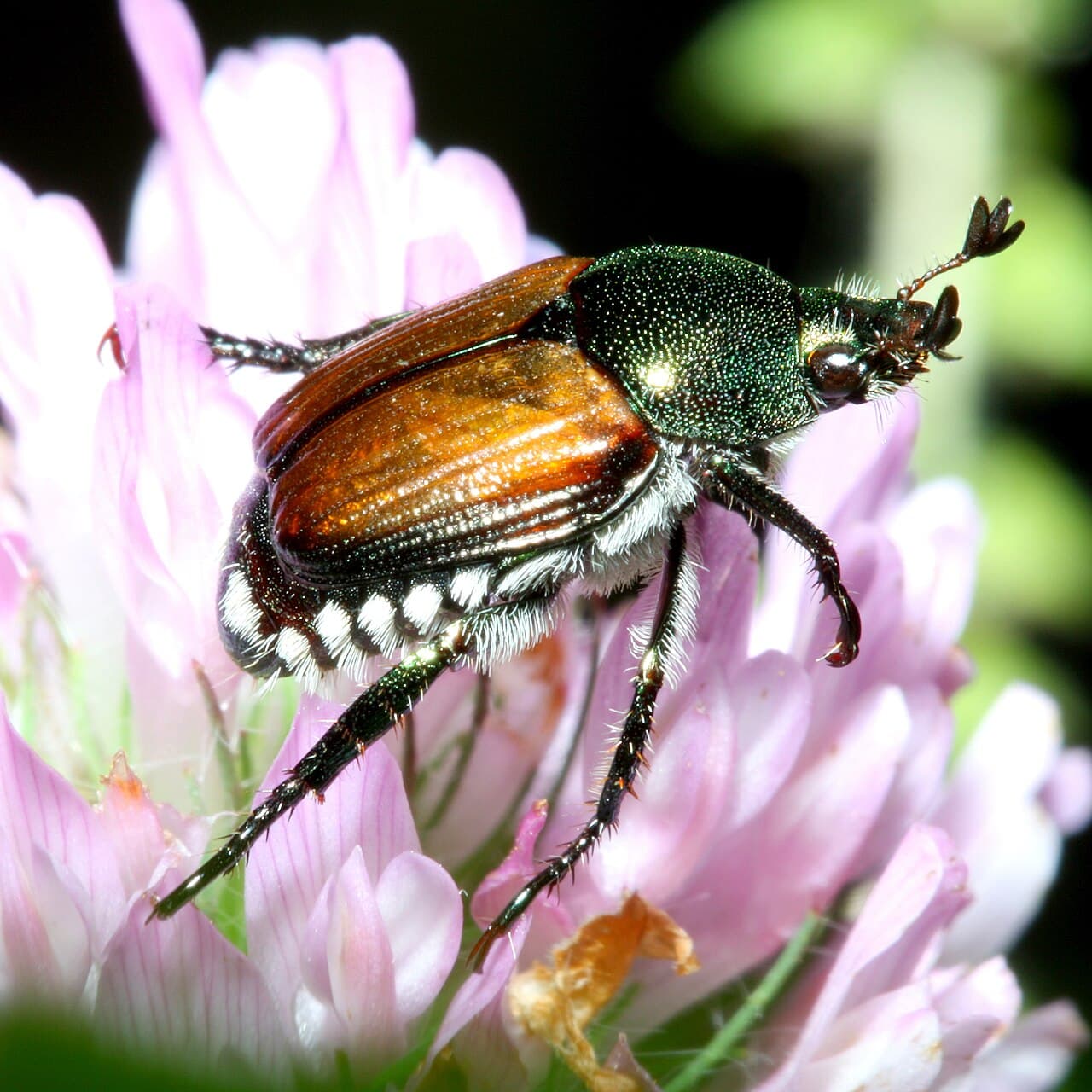
pest
Japanese Beetle: How to Identify, Manage, and Outlast Them
Six weeks of mid-summer damage, the most over-sprayed pest in American gardens. The organic-first ladder that actually works — and the traps you should never hang.

The pest page that respects ecology — photo evidence at every life stage, native vs non-native called out, organic-first then escalation.
Six weeks of mid-summer damage, the most over-sprayed pest in American gardens. The organic-first ladder that actually works — and the traps you should never hang.
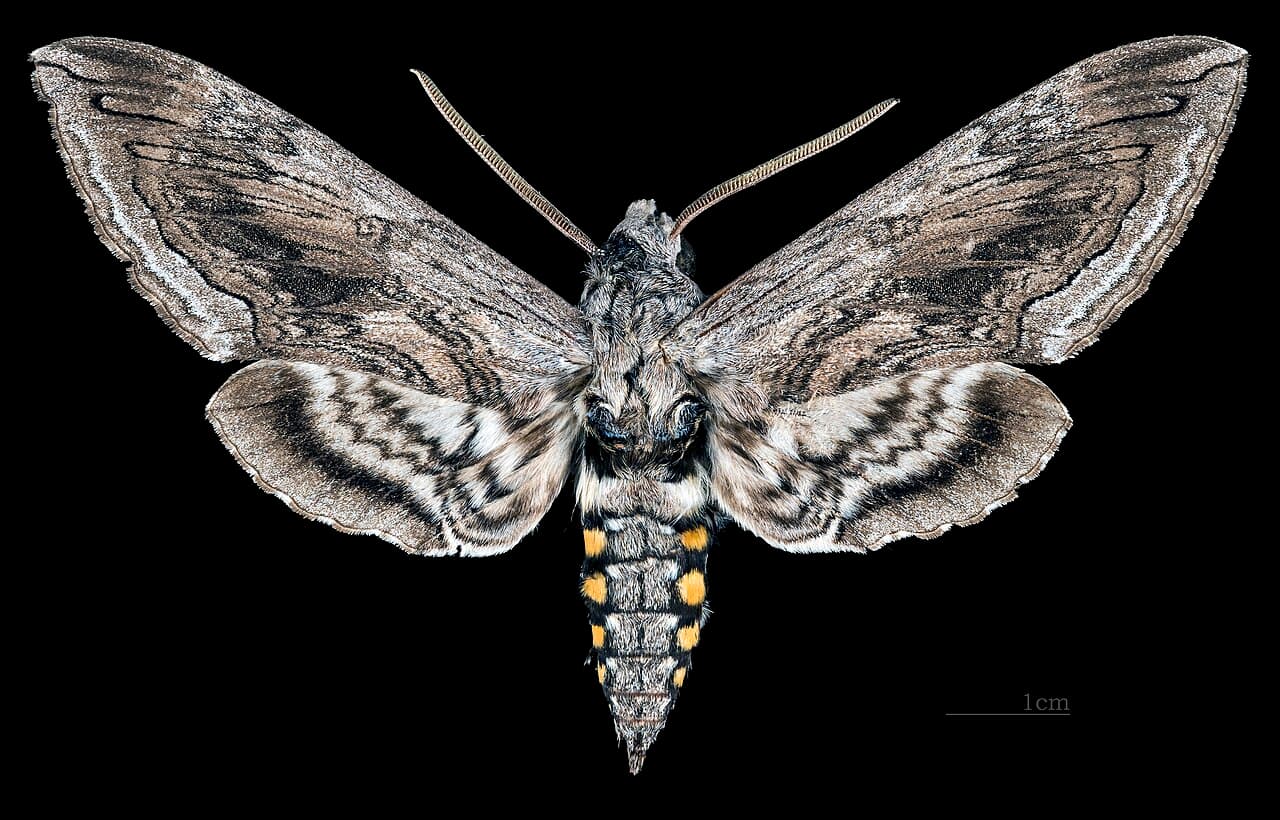
Three-inch green caterpillar, white V-shaped stripes, harmless to humans, devastating to a tomato plant. Hand-pick is the whole organic protocol.
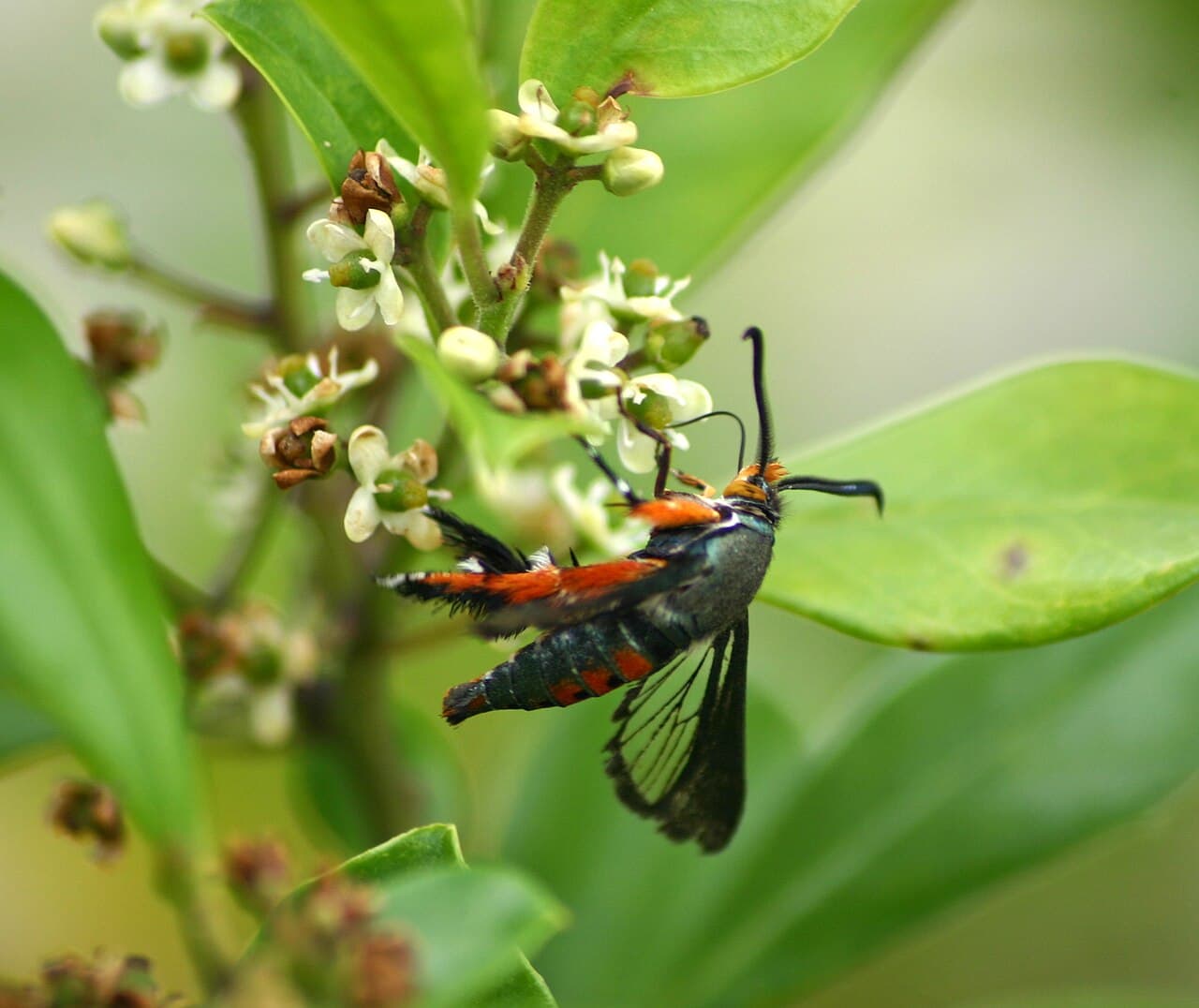
The wasp-like moth that lays eggs on squash stems in mid-summer; the larva burrows in and collapses the vine. Catch it early or lose the plant.
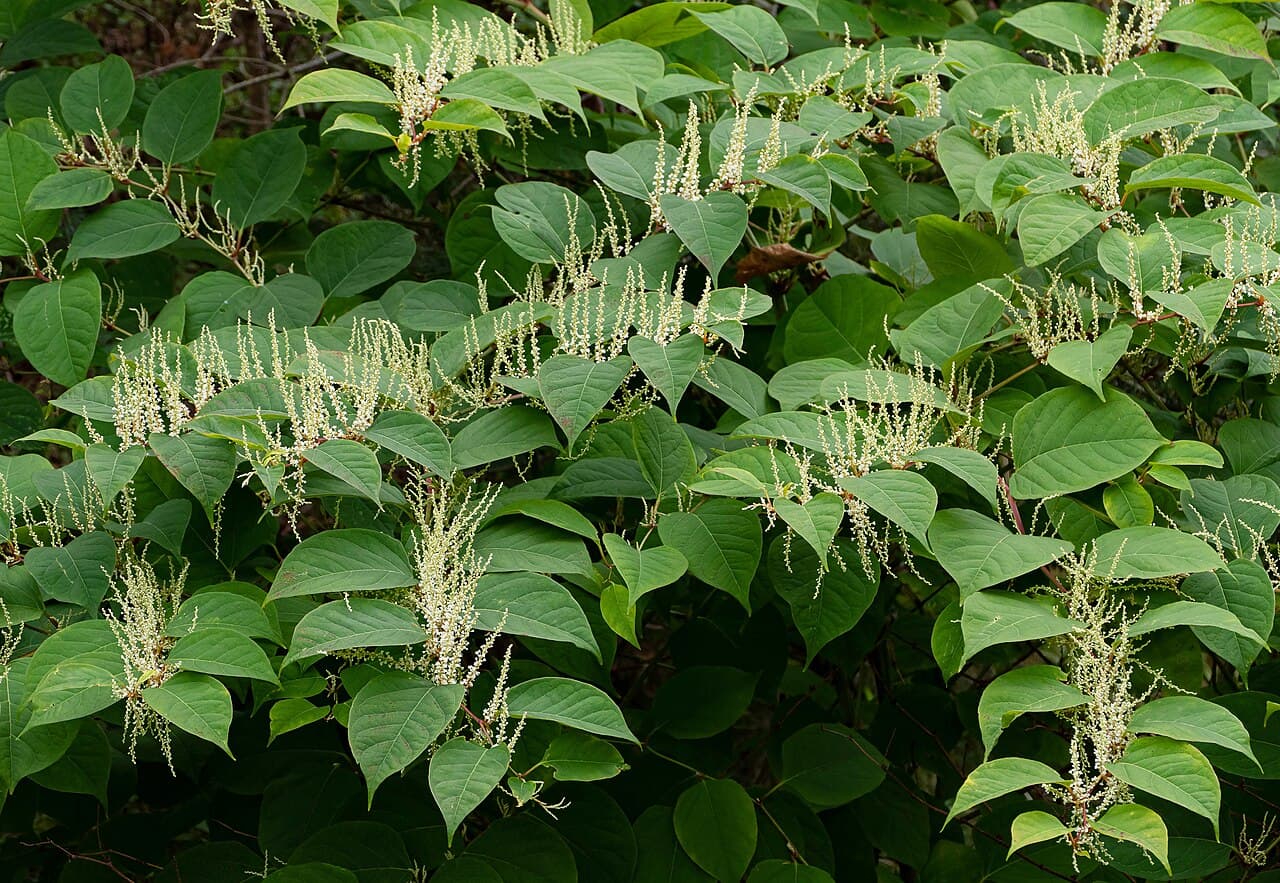
Japanese knotweed is one of the world's most aggressive invasive weeds. It cracks foundations, regrows from fingernail-sized rhizome fragments, and requires a multi-season herbicide commitment to beat. Here is what it looks like, why it is so dangerous, and what actually works.
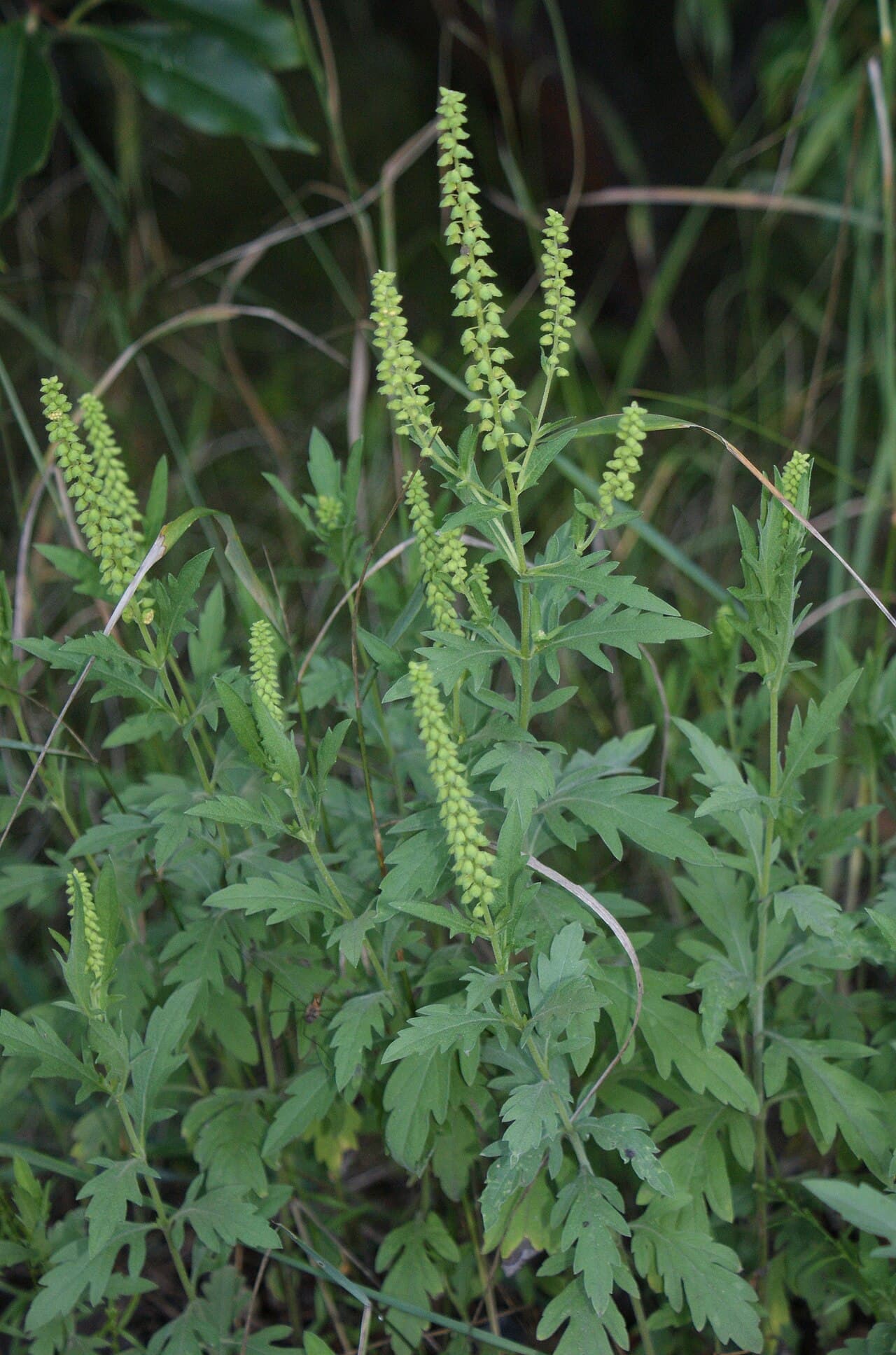
Common ragweed is behind the majority of late-summer hay fever in North America, yet it keeps getting away because people blame goldenrod instead. Learn to spot it, understand its season, and pull it early before a single plant throws a billion pollen grains into your neighborhood.
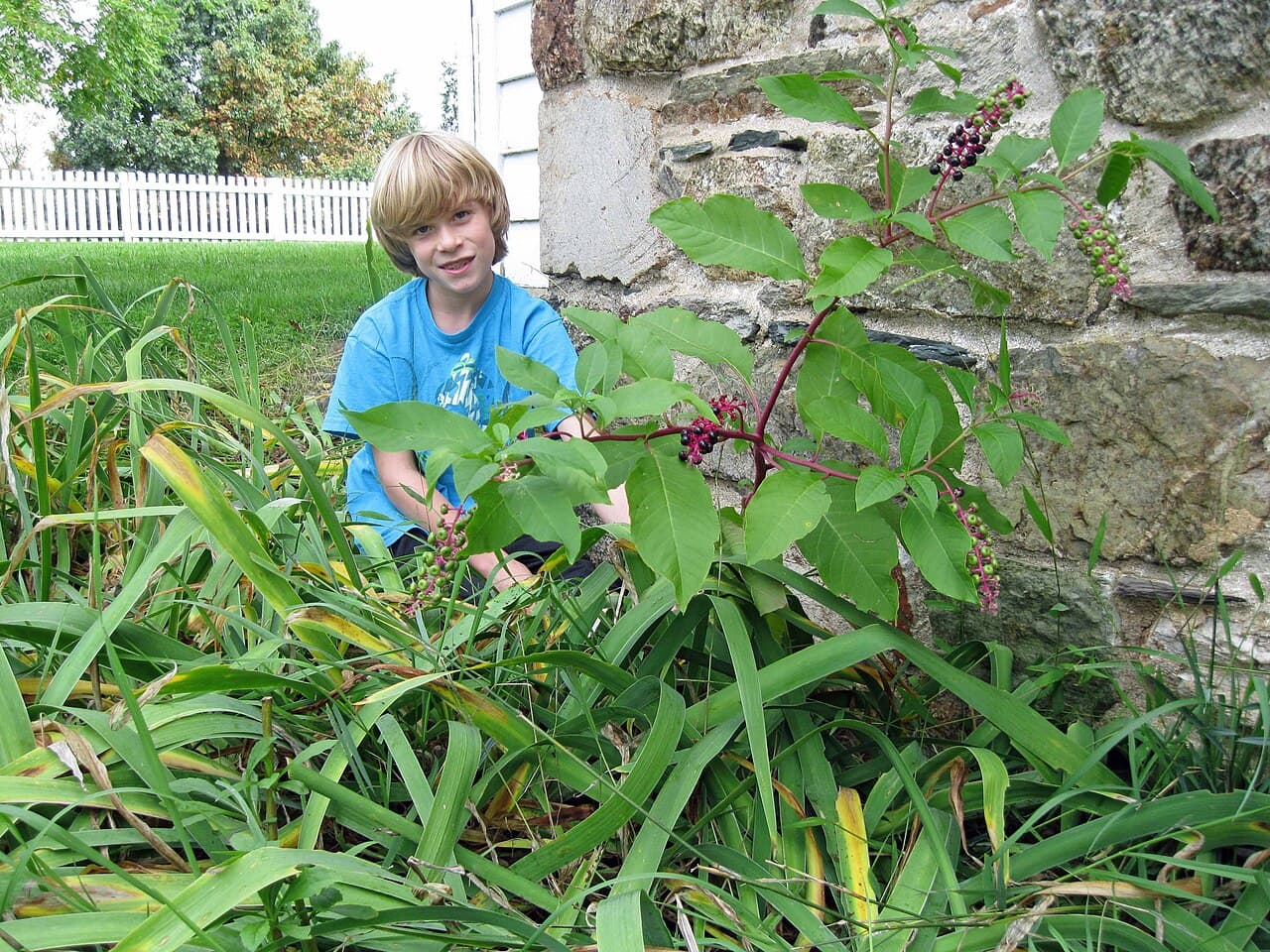
Identify the weed first. Mulch is the foundation. Hand-pull while small, hoe young weeds in dry weather, smother with cardboard for new beds. Herbicide is rarely the answer.

Varied Carpet Beetle How to Get Rid Of: Identification, Damage, and Organic Management: how to identify it, the organic-first response, and when to escalate.

Japanese Beetles: Identification, Damage, and Organic Management: how to identify it, the organic-first response, and when to escalate.

A clear-eyed field guide to recognizing aphids, understanding why they multiply so fast, and beating them back with water, beneficials, and patience before you ever reach for a spray.

A practical, organic-first guide to identifying powdery mildew early, understanding the conditions that fuel it, and treating it with sprays that actually work, plus the resistant cultivars that let you skip the fight entirely.

Spider mites are the quiet, dust-loving sap-suckers behind the fine stippling and ghostly webbing on your plants, and you can usually beat them without ever reaching for a synthetic miticide.
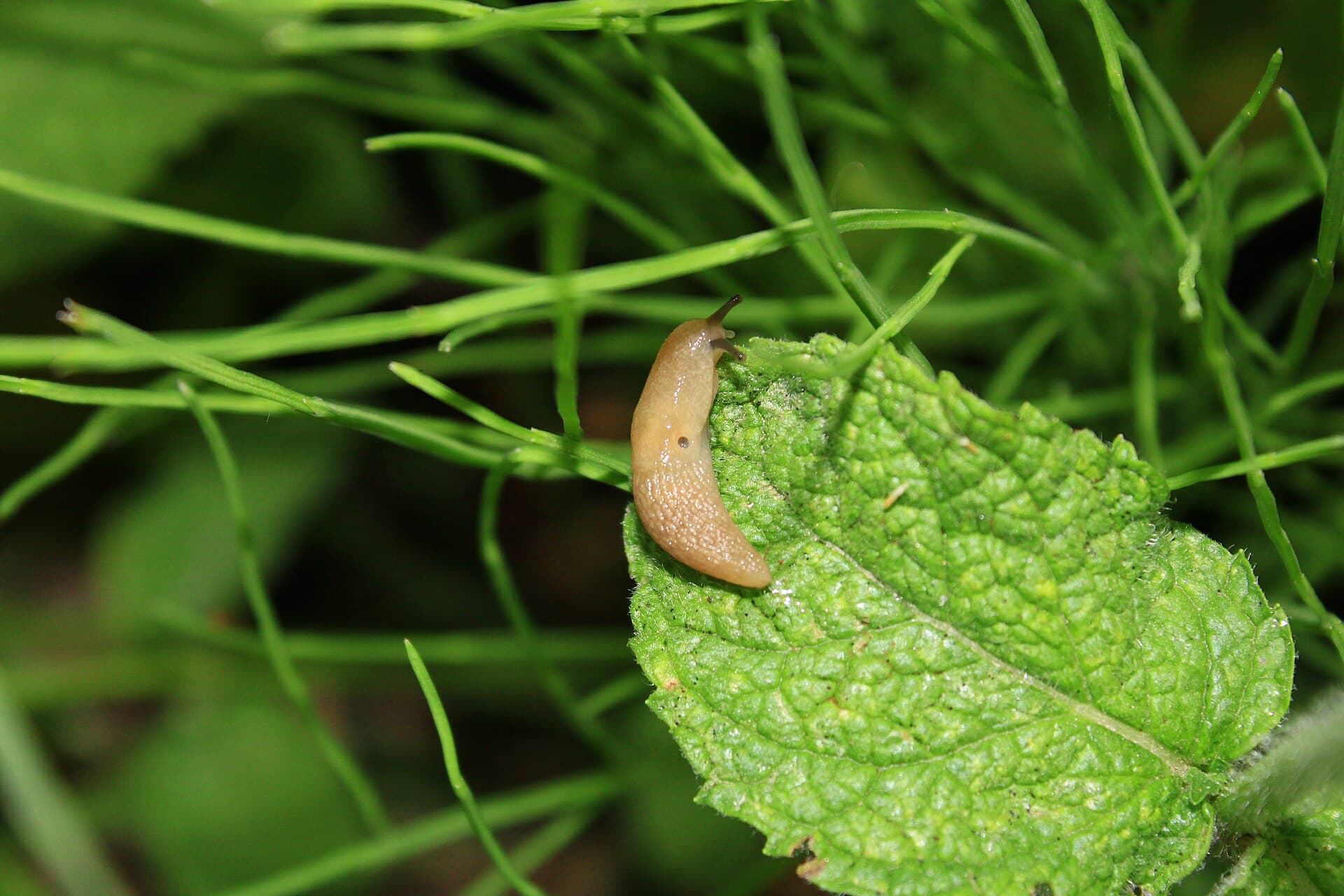
A tested, organic-first plan for the slugs and snails shredding your garden, from nightly handpicking to iron phosphate bait, with honest notes on what actually works and what is folklore.

Squash bugs are the slow-motion killers of the cucurbit patch, and the only reliable way to beat them is to find their copper eggs before the nymphs ever hatch.
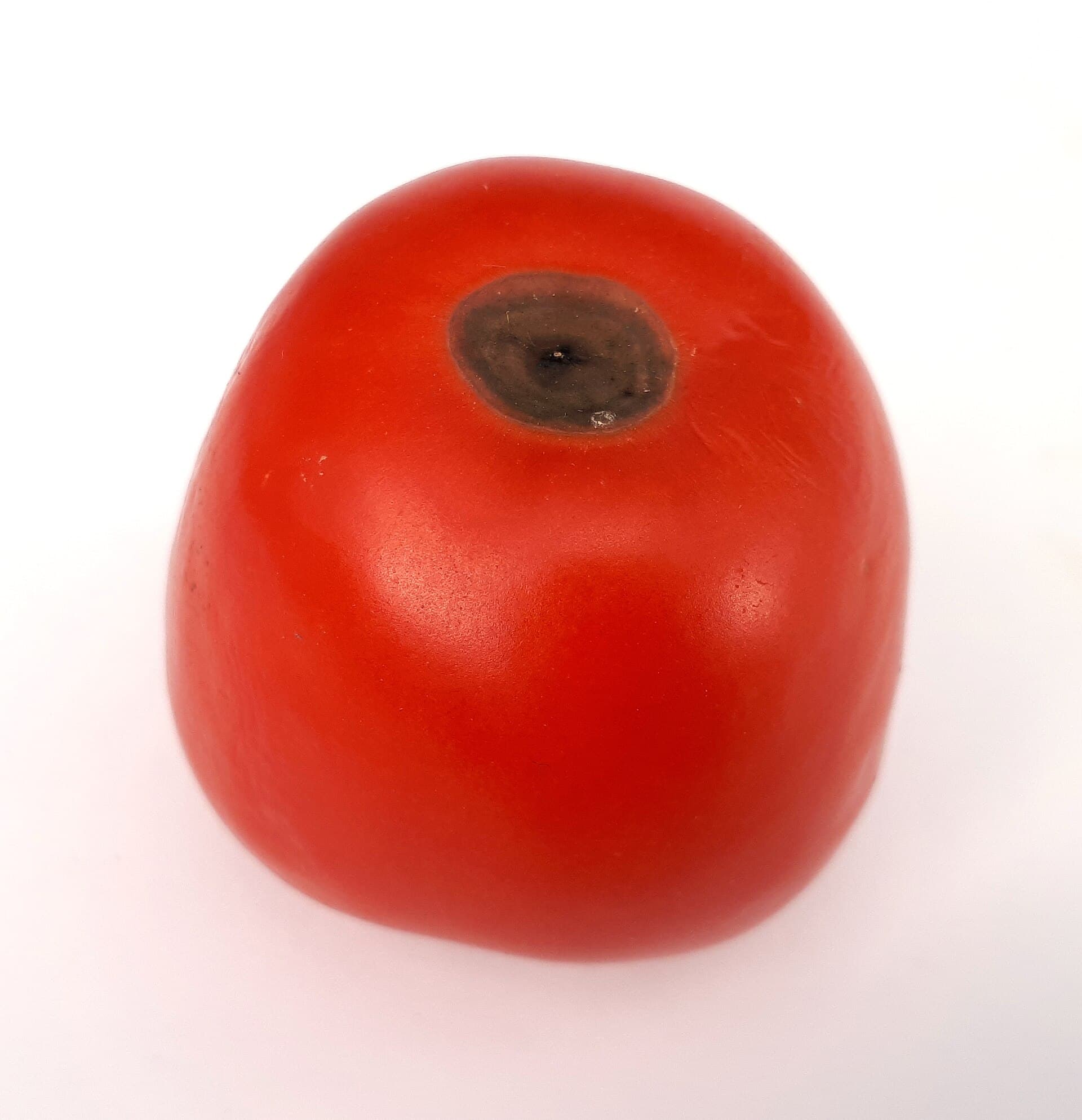
Blossom end rot is a calcium-delivery problem, not a calcium-shortage problem, and the fix is almost always water, not a spray.