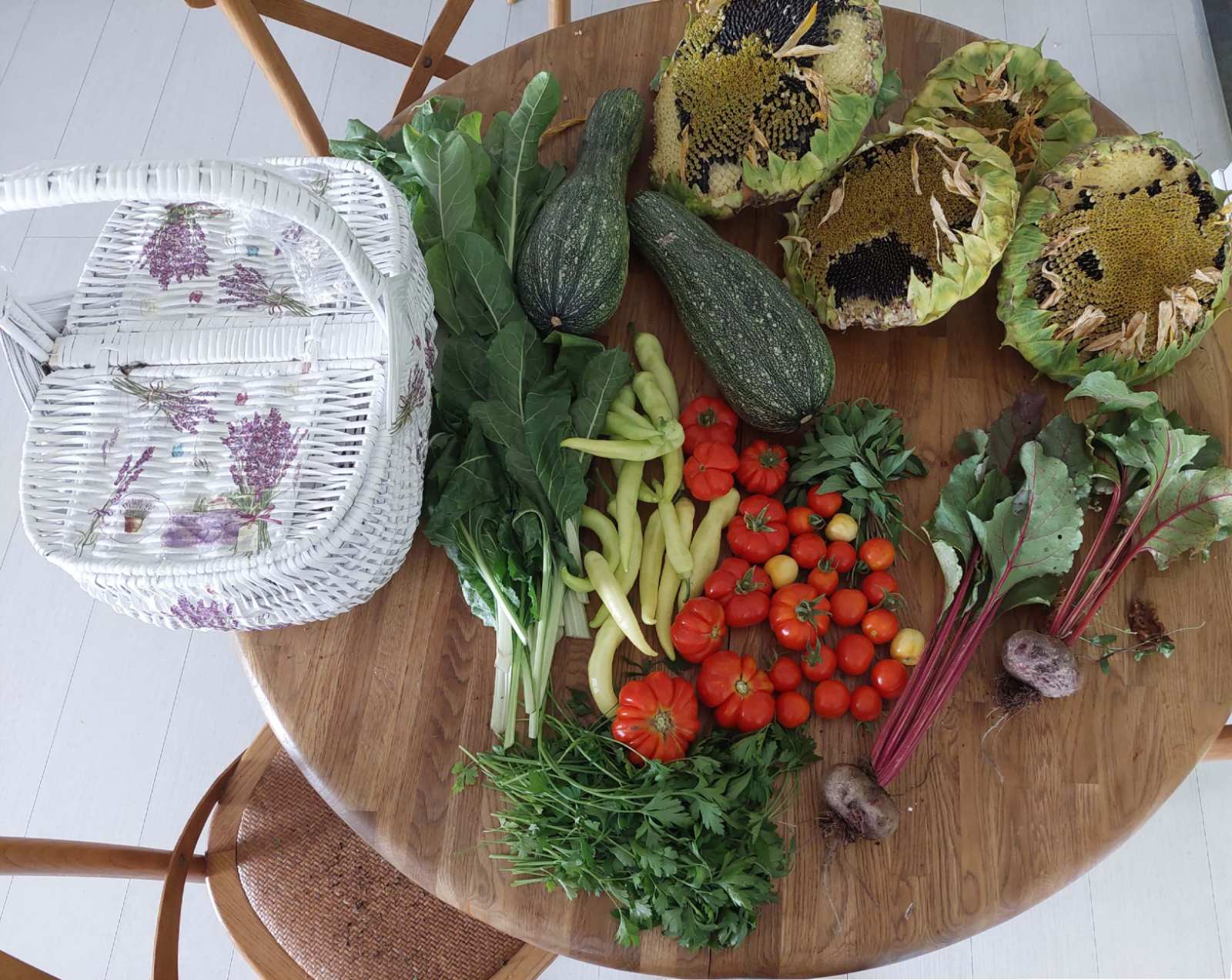
15 Easy Vegetables for Beginners That Reliably Produce
The fifteen vegetables here forgive crowding, missed waterings, and rookie timing, and they still hand you something to eat. Each pick comes with real depths, spacings, and named cultivars I have actually grown.
The short version
The easiest vegetables to grow are the ones that germinate fast, tolerate imperfect care, and reward you within a season: radishes, lettuce, bush beans, zucchini, cherry tomatoes, spinach, kale, snap peas, Swiss chard, and green onions lead the pack. Radishes are ready in about 25 days; leaf lettuce and spinach hand you salad in roughly six weeks; one zucchini plant can feed a household. Start with a sunny spot getting six or more hours of light, loosen and compost the soil, and read the seed packet for depth and spacing. Direct-sow the cool-season crops in early spring and fall, and set out warm-season plants only after your last frost. Water in the morning, harvest early and often, and you will succeed your first year.
What makes a vegetable genuinely easy to grow
Every spring I get the same question from friends who just dug their first bed: which vegetables will not break my heart? It is the right question. The fastest way to quit gardening is to pour a season into a fussy crop, watch it bolt or rot, and decide you have a brown thumb. You do not. You just picked the wrong plants for a first run. Easy vegetables exist, and choosing them is the single biggest lever a beginner has.
When I call a vegetable easy, I mean something specific. It germinates quickly and reliably from seed or transplants without sulking. It tolerates the ordinary sins of a new garden, which are inconsistent watering, slightly poor soil, and crowding. It produces a real harvest in one season rather than asking you to wait two years like asparagus. And it does not demand a chemistry set of treatments to fend off pests and disease. The fifteen picks below clear all four bars.
There is also a climate dimension that most beginner lists skip. Half of these crops are cool-season vegetables that actually prefer chilly soil and will turn bitter or bolt in summer heat. The other half are warm-season crops that will sit and sulk, or outright die, if you plant them before your last frost. Getting the season right matters more than almost anything else you can do. I will flag the season for every single pick so you are not fighting your own weather.
Before you plant anything, give yourself three advantages. First, pick the sunniest spot you have. Most fruiting vegetables want six to eight hours of direct sun, and leafy greens will accept four to six. Second, loosen the top eight to ten inches of soil and work in two to three inches of finished compost, because good soil forgives almost every other mistake. Third, plan to water in the morning so foliage dries before nightfall, which is the simplest disease-prevention habit there is.
One more honest note. Easy does not mean effortless. These vegetables still want consistent moisture and a little attention at harvest time. But they are designed, by breeding or by nature, to make a beginner look good. Plant a handful of them, keep the water steady, and you will be carrying produce inside within weeks.
The fastest way to quit gardening is to pour a season into a fussy crop. The fix is not more skill. It is better plant choice.
How we chose
How I chose and tested these fifteen
I did not assemble this list from other lists. Every vegetable here has earned a place in my own beds and in the beginner gardens I help set up each spring across USDA zones 5 through 9. The selection was filtered against four hard criteria, and a crop had to satisfy all four to make the cut. Anything that limped on even one criterion got left off, no matter how popular it is on other roundups.
The four criteria
Reliable germination or establishment. Seed must sprout within roughly two weeks at the right soil temperature, or transplants must take hold without coddling.
Forgiveness. The crop tolerates uneven watering, modest soil, and beginner-level crowding without collapsing.
A real harvest in one season, ideally within sixty days for the fastest picks, so you get the confidence boost early.
Low pest and disease pressure, or at least problems that are easy to spot and shrug off rather than season-ending.
I also weighted for honesty about difficulty, because beginner lists tend to oversell. Cucumbers and peppers, for example, are often called effortless, and they are productive once established, but cucumbers attract squash bugs and powdery mildew, and peppers are slow to start and need warm nights. They are on this list, but with the caveats spelled out rather than buried. You deserve to know which crop will actually misbehave.
Where I name a cultivar, it is one I have grown or planted with beginners and watched perform. Variety choice is the quiet difference between an easy crop and a frustrating one. A compact, disease-resistant hybrid tomato bred for containers behaves nothing like a sprawling heirloom that needs staking and prayer. Throughout the list I lean toward compact, bolt-resistant, disease-resistant selections for exactly that reason.
The other axis I track is season, because it is the mistake I see most. Cool-season crops, including lettuce, spinach, radishes, peas, kale, and chard, germinate in soil as cool as 40 to 45 degrees Fahrenheit and prefer growing temperatures in the 50s and 60s. Plant them in early spring or late summer for a fall crop. Warm-season crops, including tomatoes, peppers, beans, zucchini, and cucumbers, need soil above 60 degrees and will not produce until nights stay reliably warm. Plant them after your last frost date, not before.
Season
Crops in this list
Sow or set out
Soil temp
Cool
Lettuce, spinach, radish, peas, kale, chard, green onion, beet
Early spring and again in late summer
40 to 60 F
Warm
Bush beans, zucchini, cherry tomato, pepper, cucumber, summer squash
After last frost, soil settled and warm
60 to 75 F
Finally, a word on starting method. The cool-season crops and the beans are best direct-sown, meaning you plant the seed right where it will grow, because they dislike transplanting. Tomatoes and peppers are the exception, and for a first garden I tell beginners to buy healthy nursery transplants rather than start them indoors under lights. There is no shame in it, and it removes the single hardest step from the two trickiest crops on the list.
1. Radishes
If you grow one thing your first year, grow radishes. No vegetable rewards a beginner faster. Seeds germinate in three to five days and the roots are ready to pull in about 25 to 30 days, which means you can be eating something you grew within a month of planting. They are a cool-season crop, so direct-sow them in early spring as soon as soil can be worked, and again in late summer for a fall crop, in zones 2 through 11.
Sow seeds half an inch deep and thin the seedlings to about two inches apart, because crowding is the one mistake that produces all leaf and no root. Keep the soil evenly moist; inconsistent watering causes splitting and a hot, woody texture. Pull them the moment they size up. Leaving radishes in the ground past maturity is the classic error that turns a peppery root starchy and tough. Easter Egg and French Breakfast are forgiving, attractive cultivars.
2. Leaf Lettuce
Lettuce is the crop I hand every nervous beginner, because it germinates fast, grows quickly, and gives you salad within about six weeks. The trick is to grow loose-leaf lettuce rather than heading types, so you can snip the outer leaves as you need them and let the plant keep producing for weeks. It is a cool-season crop that bolts and turns bitter in heat, so plant it in early spring and again in late summer.
Surface-sow the tiny seeds barely an eighth of an inch deep, since they need light to germinate, and keep the bed consistently moist while they establish. Thin to four to six inches for full plants, or grow thickly as cut-and-come-again baby greens. Choose slow-to-bolt varieties such as Sandy Oakleaf or a Mini Romaine for the longest harvest window. Lettuce tolerates partial shade, which makes it a rescue crop for less-than-perfect spots.
3. Bush Beans
Bush beans are the most rewarding warm-season crop for a first garden. From a single seed you get a plant that produces handfuls of beans over several weeks, and unlike pole beans they need no trellis. The big seeds are easy to handle and sprout reliably in about seven to ten days once soil is warm. Wait until after your last frost and soil has reached at least 60 degrees, because beans rot in cold, wet ground.
Direct-sow one inch deep and two to three inches apart; beans dislike transplanting, so always start them in place. They are adaptable to ordinary soil and actually fix their own nitrogen, so go easy on fertilizer. The single rule for a long harvest is to pick often. Every pod you remove tells the plant to set more, while pods left to mature signal it to stop. Provider and Contender are dependable, productive cultivars.
Putting your first garden together
You do not need all fifteen. For a genuinely successful first year I would plant a small spring round of radishes, leaf lettuce, and snap peas, then follow with a summer round of bush beans, one zucchini, and two cherry tomato plants. That mix gives you fast wins in April and May, steady production through summer, and almost no way to fail. Add spinach and kale in late summer for a fall harvest and you have stretched the season to three rounds with the same beds.
Space matters less than people fear. Every crop here, with the partial exception of full-size zucchini, will produce in a container at least a foot deep and a foot wide, or in a four-by-four raised bed packed thoughtfully. Greens, radishes, and green onions are happy in shallow window boxes. Cherry tomatoes and peppers thrive in five-gallon pots on a sunny balcony. A lack of yard is not a reason to skip growing food.
The two habits that will carry you are consistent watering and frequent harvesting. Most beginner crops fail from drought stress followed by a flood, which splits radishes, toughens roots, and bolts lettuce. Aim for evenly moist soil, roughly an inch of water a week including rain, delivered in the morning. And harvest early and often. Picking beans, zucchini, lettuce, and chard regularly tells the plant to keep producing, while letting them over-mature tells it to quit.
Keep notes this year. Write down what you planted, when, and how it did, even just on the back of the seed packet. Next spring that record is worth more than any list, including this one, because it is calibrated to your exact yard, your soil, and your weather. Gardening is a skill you build season over season, and the easiest vegetables are simply the ones that keep you in the game long enough to get good.
Frequently asked questions
What is the single easiest vegetable to grow for a complete beginner?
Radishes. They germinate in three to five days, are ready to eat in about 25 days, tolerate cool soil, and need almost no space. They give you a harvest faster than any other vegetable, which is exactly the confidence boost a first-time gardener needs. The only rule is to keep watering steady and pull them on time before they turn woody.
What vegetables can I grow if I do not have full sun?
Leafy greens and root crops handle partial sun best. Lettuce, spinach, Swiss chard, kale, arugula, and green onions will produce respectably in four to six hours of direct light, and they actually appreciate some afternoon shade in hot climates. Fruiting crops like tomatoes, peppers, and zucchini truly need six to eight hours of sun to set a real crop, so save those for your brightest spot.
4. Zucchini
Zucchini is famous for a reason: one healthy plant can feed an entire household, sometimes embarrassingly so. The large seeds germinate quickly in warm soil, the plant grows vigorously, and the showy yellow flowers are themselves edible. It is a warm-season crop, so sow seeds an inch deep after your last frost when soil is reliably above 65 degrees, or set out a transplant.
Give each plant real room, two to three feet, because it gets large, and plant just one or two unless you genuinely want to give zucchini away by August. Keep moisture steady to avoid blossom-end rot, and harvest fruit young at six to eight inches, when they are tender and most flavorful. Picking frequently keeps the plant cranking out more. Watch for squash bugs and powdery mildew late in the season; both are manageable and rarely stop a healthy plant. Black Beauty is the classic.
5. Cherry Tomatoes
Cherry tomatoes are the beginner-friendly entry to homegrown tomatoes, ripening earlier and more forgivingly than big slicers, and producing in waves all summer. For a first garden, buy a healthy nursery transplant rather than fighting with seeds indoors, and choose a compact or determinate variety bred for containers so you can skip heavy staking. They are a warm-season crop that needs warm nights, so set plants out a week or two after your last frost.
Plant transplants deep, burying two-thirds of the stem so roots form along it for a sturdier plant, and give them six to eight hours of full sun. Water deeply and consistently at the base, never overhead, because erratic moisture causes cracking and blossom-end rot. A five-gallon pot is plenty for compact types. Husky Cherry Red, Red Robin, and Tumbling Tom are reliable, disease-resistant picks that thrive in small spaces.
6. Spinach
Spinach thrives in the cool weather that defeats most crops, needs no special equipment, and rewards you in 30 to 45 days. It is a true cool-season vegetable, germinating in soil as cold as 40 degrees, so plant it in early spring as soon as the ground can be worked and again in late summer for a generous fall harvest. Summer heat makes it bolt, so do not bother with it in the warm months.
Sow seeds half an inch deep and keep the soil consistently moist for the first ten days while germination can be a little slow and uneven. Thin seedlings to three inches apart. Harvest by snipping outer leaves so the plant keeps producing, and pick the whole plant before it bolts in heat. Spinach is happy in partial sun and makes excellent use of the cool shoulders of the season when the rest of the garden is empty.
7. Snap Peas
Sugar snap peas are one of the great cool-season pleasures, sweet enough to eat straight off the vine, and the whole pod, tendrils, and flowers are edible. They are an early crop you can sow as soon as soil can be worked in spring, often weeks before anything else, which makes them a satisfying season opener. They tolerate light frost and prefer the cool weather of spring and fall.
Sow seeds about an inch deep, roughly twice the seed's width, and one to two inches apart. Most varieties climb, so give them a simple trellis or netting to keep pods clean and easy to pick. Harvest when pods are plump but still crisp, and use scissors or pinch carefully rather than yanking, which can uproot the plant. Sugar Ann is a compact, fast bush type that even works in containers without much support.
8. Kale
Kale is nearly indestructible, which is exactly what a beginner wants. It grows happily in raised beds, in the ground, or in containers, tolerates poor soil and cold remarkably well, and actually sweetens after a light frost. It is a cool-season crop best planted in early spring and late summer, and in mild winters it will keep producing for months, giving you the longest harvest window on this list.
Sow seeds half an inch deep or set out transplants, spacing plants about a foot apart since they grow into substantial rosettes. Harvest the lower outer leaves first and let the center keep growing, a cut-and-come-again habit that can feed you for a whole season from a few plants. Cabbage worms are the main pest; a quick check under leaves and a hand pick keeps them in line. Prizm and Lacinato are tidy, productive cultivars.
9. Swiss Chard
Swiss chard is the unsung hero of beginner gardens. It germinates easily, shrugs off heat better than most greens, and unlike lettuce and spinach it keeps producing right through warm weather instead of bolting. The stems come in brilliant colors, so a row of Bright Lights chard is as ornamental as it is edible. It is technically cool-season but tolerates a wide range, giving you a long, generous harvest.
Sow the knobby seeds about half an inch deep and thin to six inches apart; each seed cluster can produce several seedlings, so thinning matters. Harvest outer stalks regularly and the plant keeps pushing new growth from the center for months. It tolerates partial shade and imperfect soil with ease. If you want one green that produces from spring well into fall with almost no fuss, this is it.
10. Green Onions
Green onions, also called scallions, are about as easy and quick as gardening gets, and they fit anywhere. They tolerate cool weather, take up almost no room, and you can harvest in as little as three to four weeks for slender young onions. They are an excellent crop for shallow containers and window boxes, which makes them perfect for balcony or kitchen-window gardeners with no yard at all.
Sow seeds a quarter to half an inch deep and thin lightly, or take a shortcut and plant the rooted white ends of store-bought scallions, which regrow readily. Keep the soil moist and harvest by snipping the green tops, leaving the base to regrow several times. They tolerate partial sun and are essentially pest-free. For nonstop kitchen herbs-meets-vegetable, few crops offer this much return for so little space and effort.
11. Beets
Beets give you two crops in one, since both the roots and the leafy greens are delicious, and they are far more forgiving than their reputation suggests. They are a cool-season crop that handles light frost and matures in about 50 to 60 days, so sow in early spring and again in late summer. They tolerate cool soil and a range of conditions, which suits a beginner's imperfect bed.
Each wrinkled beet seed is actually a cluster, so seedlings come up in bunches and thinning to three inches apart is essential for the roots to size up. Sow half an inch deep and keep moisture steady to avoid woody, tough roots. You can harvest a few outer leaves for salads along the way without sacrificing the root. Detroit Dark Red is a dependable, sweet classic that performs across a wide range of zones.
12. Cucumbers
Cucumbers are genuinely productive and easy to grow once established, with large seeds that germinate fast in warm soil and vines that crank out fruit through summer. They are a warm-season crop, so sow an inch deep after your last frost when soil is above 60 degrees, or set out transplants. Give the vines a trellis or strings to climb; vertical growing saves space, keeps fruit clean, and dramatically cuts disease.
Space plants about a foot apart at the base of the support and keep moisture steady, because drought stress makes cucumbers bitter. Harvest young and often for the best flavor and to keep production going. The honest caveat is pest pressure: cucumber beetles and powdery mildew can hit late in the season. Choosing disease-resistant varieties like Marketmore and bush types for containers keeps cucumbers firmly in the easy column.
13. Arugula
Arugula is the fastest leafy green you can grow, often ready to cut in as little as three weeks, with a peppery bite that makes a salad feel intentional. It is a cool-season crop that germinates readily in cool soil and is best sown in early spring and again in late summer, since heat makes it bolt and turn fiercely sharp. It is a perfect filler for any empty corner of a spring bed.
Scatter the seeds about a quarter inch deep and barely cover them, then thin to a few inches apart or simply cut the patch as baby greens. Keep it watered and harvest young leaves often; the more you cut, the more it regrows before bolting. It thrives in partial shade and containers. For a beginner who wants near-instant gratification beyond radishes, arugula is the leafy answer.
14. Carrots
Carrots take a little patience but are deeply rewarding, and once you taste a homegrown one you will keep growing them. They are a cool-season crop you can sow in early spring and again in mid to late summer for a fall harvest that sweetens after frost. The main beginner challenge is germination, which is slow at two to three weeks, and tiny seeds that are easy to over-sow.
Sow shallowly, a quarter inch deep, in loose, stone-free soil so the roots can grow straight, then keep the surface consistently moist until they sprout, since a dried crust will stop germination cold. Thin ruthlessly to two inches apart, because crowding is why beginner carrots come out stubby and twisted. Choose shorter varieties like Danvers or a Nantes type for ordinary soil, and harvest once shoulders size up.
15. Sweet Peppers
Sweet peppers round out the warm-season picks, productive and disease-resistant once they get going, and they grow beautifully in containers. The honest note is that they are slow to start and need warm nights, so for a first garden buy a healthy transplant rather than starting seeds, and set it out only after your last frost when nights stay above 55 degrees. Rushing them into cold soil just stalls them.
Give peppers six to eight hours of full sun, a five-gallon pot or a foot of spacing in the ground, and steady moisture; uneven watering causes blossom-end rot just as it does in tomatoes. Choose compact hybrid varieties for disease resistance and to avoid staking. A light, balanced feeding supports fruiting. Once established and warm, peppers reliably produce into fall, and a single plant can yield a steady supply of fruit.
Should I start from seeds or buy plants as a beginner?
Do both, strategically. Direct-sow the fast cool-season crops and beans, since seeds are cheap, easy, and these plants dislike transplanting anyway. But buy nursery transplants for tomatoes and peppers your first year. Those two are slow and finicky to start from seed indoors, and a healthy six-inch transplant removes the hardest step from the two trickiest crops on the list.
How much space do I really need to grow vegetables?
Far less than you think. A single four-by-four-foot raised bed can hold a productive mix of greens, radishes, beans, and a couple of cherry tomatoes. Nearly everything on this list also grows in containers at least a foot deep. Greens and green onions thrive in shallow window boxes, and one zucchini in a large pot can feed a household. No yard is required.
Why did my lettuce or spinach turn bitter and shoot up tall?
That is bolting, and it happens when cool-season greens hit summer heat and decide to flower and set seed. Once a plant bolts, the leaves turn bitter and there is no reversing it. The fix is timing and variety. Plant greens in early spring and again in late summer for fall, choose bolt-resistant cultivars, and harvest the outer leaves regularly before the heat arrives.
How often should I water a beginner vegetable garden?
Aim for evenly moist soil, which usually means about one inch of water per week including rainfall, delivered deeply two or three times rather than a light daily sprinkle. Water in the morning so foliage dries before night, which prevents most disease. Inconsistent watering, where soil dries hard and then gets flooded, is what splits radishes and tomatoes and bolts greens.
Sources: the planting depths, spacing, days to germination, and days to harvest in this guide are drawn from established horticultural references and cross-checked against my own growing records across USDA zones 5 through 9.