
Birth Flowers: Every Month's Symbolic Bloom and How to Grow It
Twelve months, twelve traditional flowers (in some traditions, two per month). The list from a working gardener — with which of each you can actually grow.
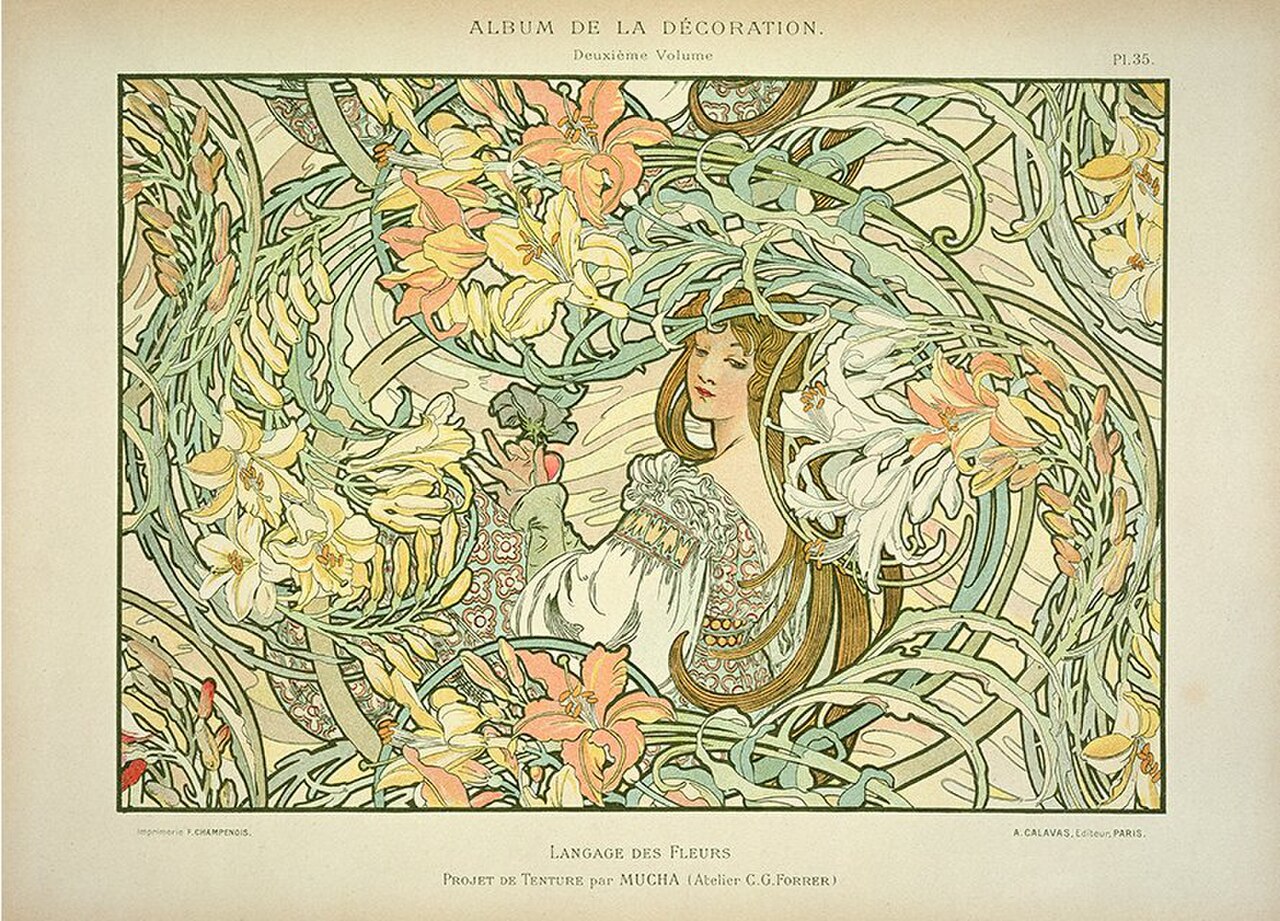
Birth-flower traditions vary — most countries have their own list, and many months have two associated flowers in different traditions. This is the American/UK list of one per month, with care notes so you can grow your own month's flower (or your gift recipient's) rather than buying florist stems.
How we chose
All 12 are growable in the home garden across most of zones 4-9 with the right planting season. The cool-season ones (carnation, violet, daffodil) want spring or fall planting; the heat-lovers (gladiolus, aster, marigold, chrysanthemum) want spring-summer planting.
1. January — Carnation (Dianthus caryophyllus)
Hardy in zones 6-9. Full sun, lean fast-draining alkaline soil. Direct-sow or buy nursery plants in spring.
2. February — Violet (Viola sororia / odorata)
Zones 3-9. Part to full shade, moist organic soil. Native; self-sows. Divide in spring.
3. March — Daffodil (Narcissus pseudonarcissus)
Zones 3-9. Plant bulbs in fall 3x bulb height deep. Deer-resistant. 'Tête-à-Tête' a reliable dwarf.
4. April — Daisy (Bellis perennis)
Cool weather perennial. Spring/fall bloom. Self-sows; many gardeners consider lawn-volunteer.
5. May — Lily of the Valley (Convallaria majalis)
Zones 3-8. Part to full shade. Plant pips in fall. Toxic — keep from pets/children.
6. June — Rose (Rosa)
Zones 3-11 cultivar-dependent. Full sun. Modern shrub roses (Knockout, Drift) tolerate beginner care.
7. July — Larkspur (Consolida ajacis)
Annual; direct-sow fall or early spring. Blue, pink, white tall spires. Toxic; keep from livestock.
8. August — Gladiolus (Gladiolus × hortulanus)
Plant corms after frost, full sun. Stake at planting. Lift in zones 6 and colder for winter storage.
9. September — Aster (Symphyotrichum)
Native perennial zones 3-9. Late-summer-fall bloom. Pinch in June for compact plants. Pollinator support.
Plant your own birth flower in a pot or border and you have a reliable annual reminder of the tradition — without needing to buy florist stems.