
Types of Trees
A field guide to the main types of trees — deciduous, conifer, and broadleaf evergreen — through twelve species I've planted or lived with in zone 7b.
Trees fall into three broad types: deciduous trees that drop their leaves each fall (maples, oaks, birches), conifers that bear cones and usually keep their needles year-round (pines, spruces), and broadleaf evergreens that hold wide leaves through winter (hollies, southern magnolia). A few conifers like bald cypress are deciduous, dropping their needles, which blurs the line. When you choose a tree, match its mature size, hardiness zone, and light needs to your site first — a red maple and a white oak are both shade trees but live on very different timelines. Most of the species below thrive somewhere in zones 3–9.
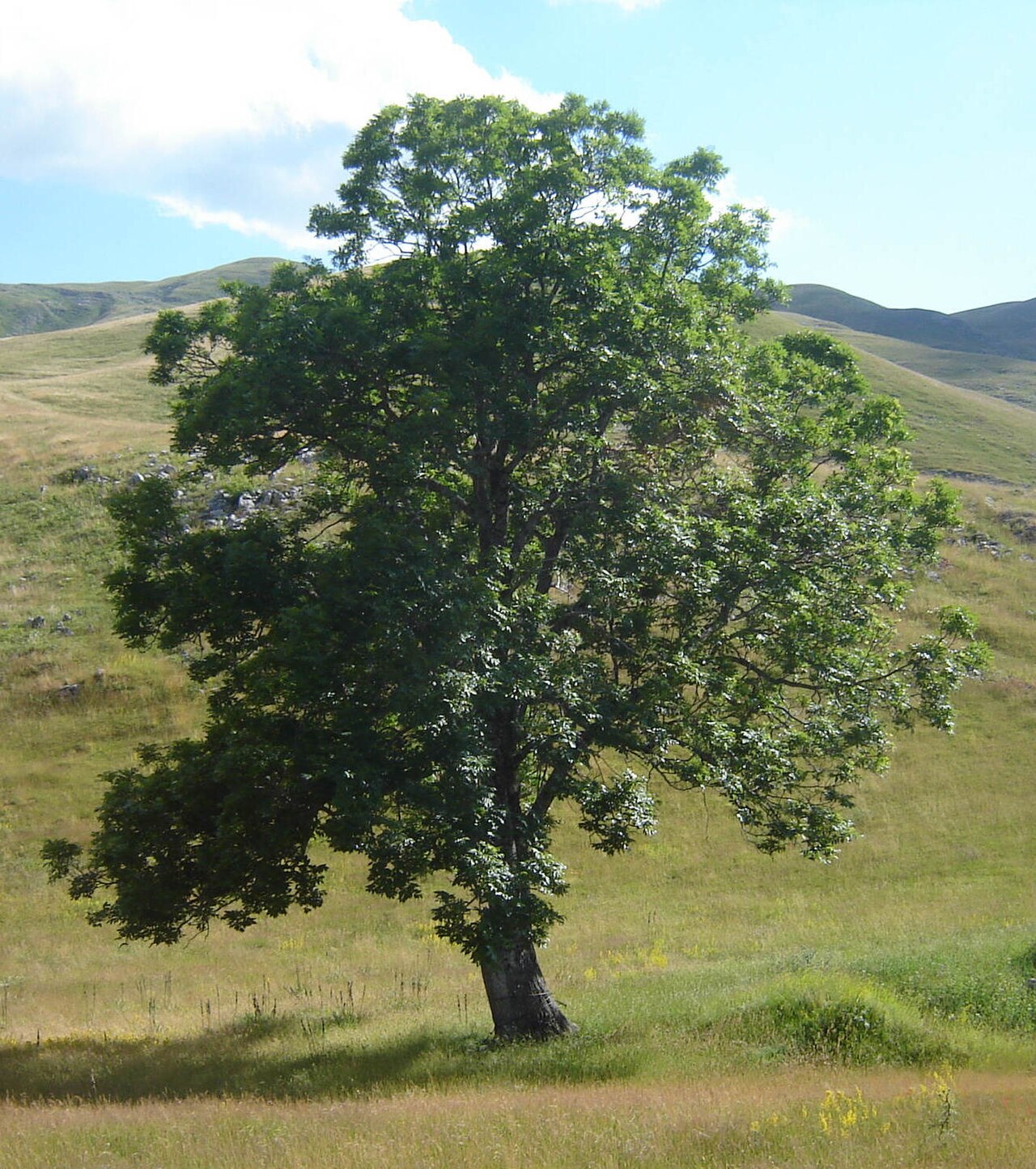
When someone asks me what "type" of tree to plant, they usually mean one of two things: what category it belongs to, or which actual species will work in their yard. Both matter. Understanding that trees sort into deciduous, conifer, and broadleaf evergreen tells you what a tree will do across the seasons; knowing the individual species tells you whether it'll fit your space and your zone. I've planted across all three types in my zone 7b clay, and the trees below are the ones I can speak to from the ground up.
Think of this as a working field guide: twelve common, well-behaved trees grouped by type, each with the mature size and zone you actually need to plan around.
How we chose
I chose species I've planted, watched mature, or removed in my own zone 7b clay rather than rounding up every tree in a botany text. Each had to be a tree most U.S. gardeners could plausibly grow, and I weighted the list toward natives and toward trees whose mature size and habits I can describe honestly — including which ones get too big for a small lot. Zones and mature heights below are verified ranges, narrowed by what I've seen these do in real ground.
1. Red Maple (Acer rubrum)
Deciduous · Zones 3–9 · Full sun to part shade · 40–60 ft tall, 20–35 ft wide. One of the most adaptable native shade trees in eastern North America — fast-growing, tolerant of wet or dry soil, and lit up scarlet in fall. It even pushes out small red flowers in earliest spring before anything else wakes. I plant 'October Glory' or 'Red Sunset' for the most reliable autumn color in my clay. A genuinely easy first shade tree, just give it room for the spread.
2. White Oak (Quercus alba)
Deciduous · Zones 3–9 · Full sun · 60–100 ft tall, broad spread. The grand, slow-growing native oak you plant for your grandchildren — long-lived, majestic, and one of the single best trees for wildlife, feeding hundreds of caterpillar species and thus the birds that depend on them. It's slow and it gets enormous, so it belongs on a large lot, not tucked beside a house. Honest about the timeline: this is a legacy tree, not a quick screen. Worth planting anyway.
3. Sugar Maple (Acer saccharum)
Deciduous · Zones 3–8 · Full sun to part shade · 60–75 ft tall, 40–50 ft wide