
Types of Flowers: A Garden Editor's Picks, by Growth Habit
Annuals, perennials, biennials, bulbs, and a quiet shrub or two — the flowers I trust enough to recommend, with zone, sun, bloom time, and the named cultivar that earned its place.
There are over 400,000 flowering plants in the world. You do not need all of them. The shortest answer to what types of flowers should I grow is to pick by how they grow: annuals for one bright season, perennials for the long run, biennials for the second-year payoff, bulbs for the early-spring window, and a few shrubs that hold the whole bed together. Below: fifteen I have grown in my own zone-7b plot, with the cultivar named.
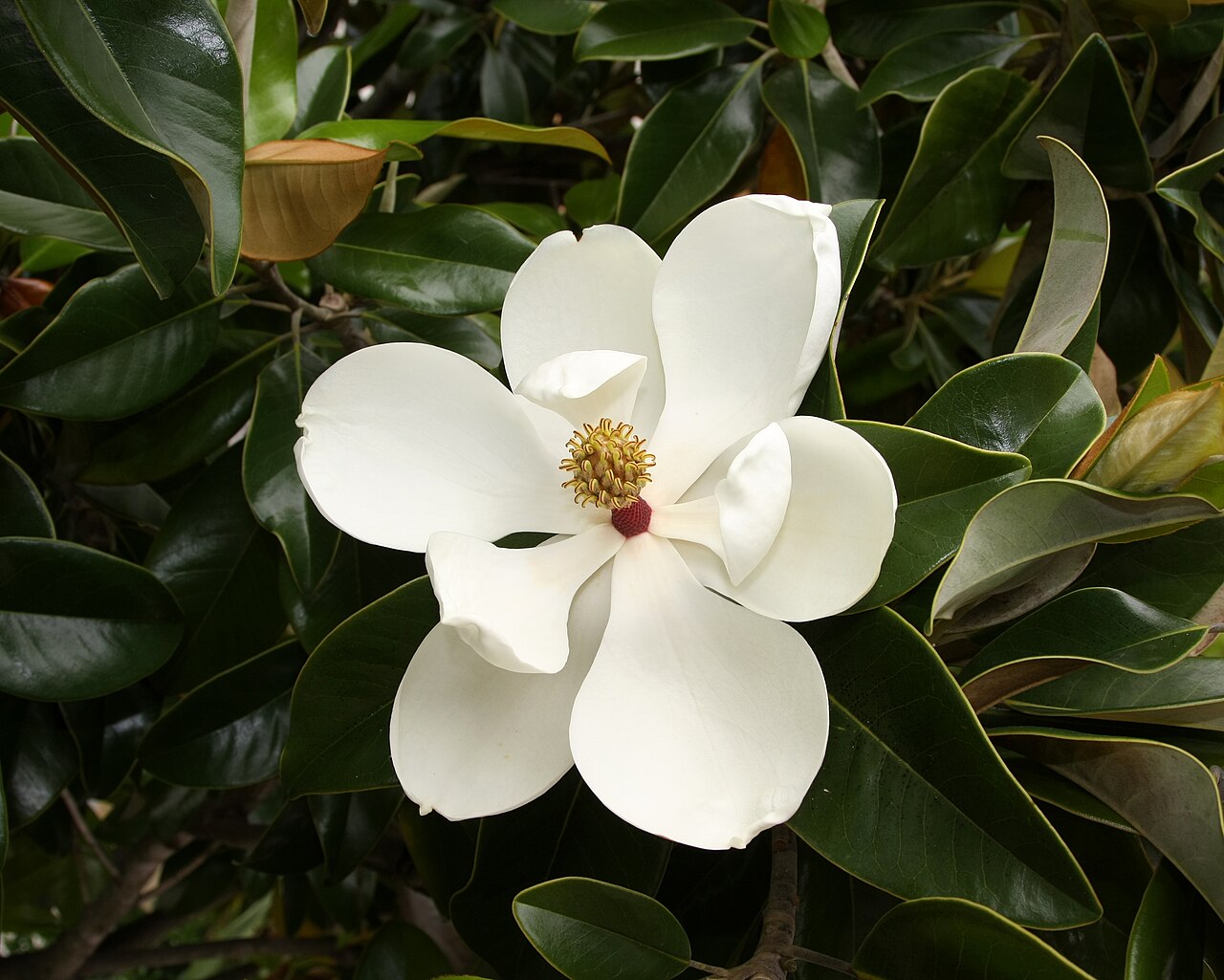
Most lists of flower types try to be encyclopedic. This one tries to be useful. I have grown every plant on this list in clay-heavy zone 7b ground — some at the test bench, some in the home plot — and the cultivar I name is the one that actually held.
The four growth-habit categories — annuals, perennials, biennials, and bulbs — are the only taxonomy that matters when you are planning a bed. Annuals give you one bright season. Perennials build the framework. Biennials reward your patience in their second year. Bulbs cover the gap between the last frost and the first perennial bloom. I have added two flowering shrubs because some beds need an anchor.
How we chose
How I chose
Every plant on this list has grown in my own ground or at the Lunaire test bench for at least two seasons. I picked for: reliability across most of zones 4–9 (so the list is useful to most North American gardeners), an honest difficulty rating, a named cultivar I would buy again, and a bloom window that contributes to a sequence rather than competes with it. No plant is here only because the SERP expects it.
1. Sunflower (Helianthus annuus)
Type: Annual. Zones 2–11. Full sun. Summer to first frost. 3–12 ft depending on cultivar. The branching multi-head varieties earn their place more than the single giant — 'Lemon Queen' and 'Italian White' both stay upright in my soil without staking. Direct-sow after last frost; flowers in 65–95 days. The bird feeders below them stay full all winter.
2. Zinnia (Zinnia elegans)
Type: Annual. Zones 3–10. Full sun. Summer to frost. 12–48 in. The cut-and-come-again annual that earns clay soil. 'Benary's Giant' holds at vase height; 'Queeny Lime Orange' is the cultivar I plant when I want florists to ask. Pinch the first bud at 12 inches for branching; deadhead weekly and a single plant produces stems through October.
3. Marigold (Tagetes patula / erecta)
Type: Annual. Zones 2–11. Full sun. Summer to first frost. 6–36 in. The classic vegetable-garden companion — the roots release alpha-terthienyl that suppresses root-knot nematodes, but the plants must be in the ground at least 60 days to do it. 'Tangerine Gem' (a signata, not patula) is the cultivar I grow for both pollinators and the edible petals; it stays under 12 inches and self-sows.