
22 Drought-Tolerant Plants That Thrive on Neglect
The toughest plants in my garden are the ones I water least, and after a decade of trials these are the perennials, grasses, and shrubs that earn their keep through a dry summer without a fuss.
The best drought-tolerant plants share three traits: deep or fleshy water-storing roots, silvery or waxy leaves that cut moisture loss, and a strong preference for lean, well-drained soil over rich, watered beds. Reliable full-sun picks include lavender (Zones 5-9), sedum (3-9), yarrow (3-9), Russian sage (4-9), catmint (4-9), and coneflower (3-9). The catch most lists skip: even these plants need consistent water for the first one to two seasons to build the deep roots that later let them coast. Plant them in fast-draining soil, skip the fertilizer and rich compost, and water deeply but infrequently to train roots downward.
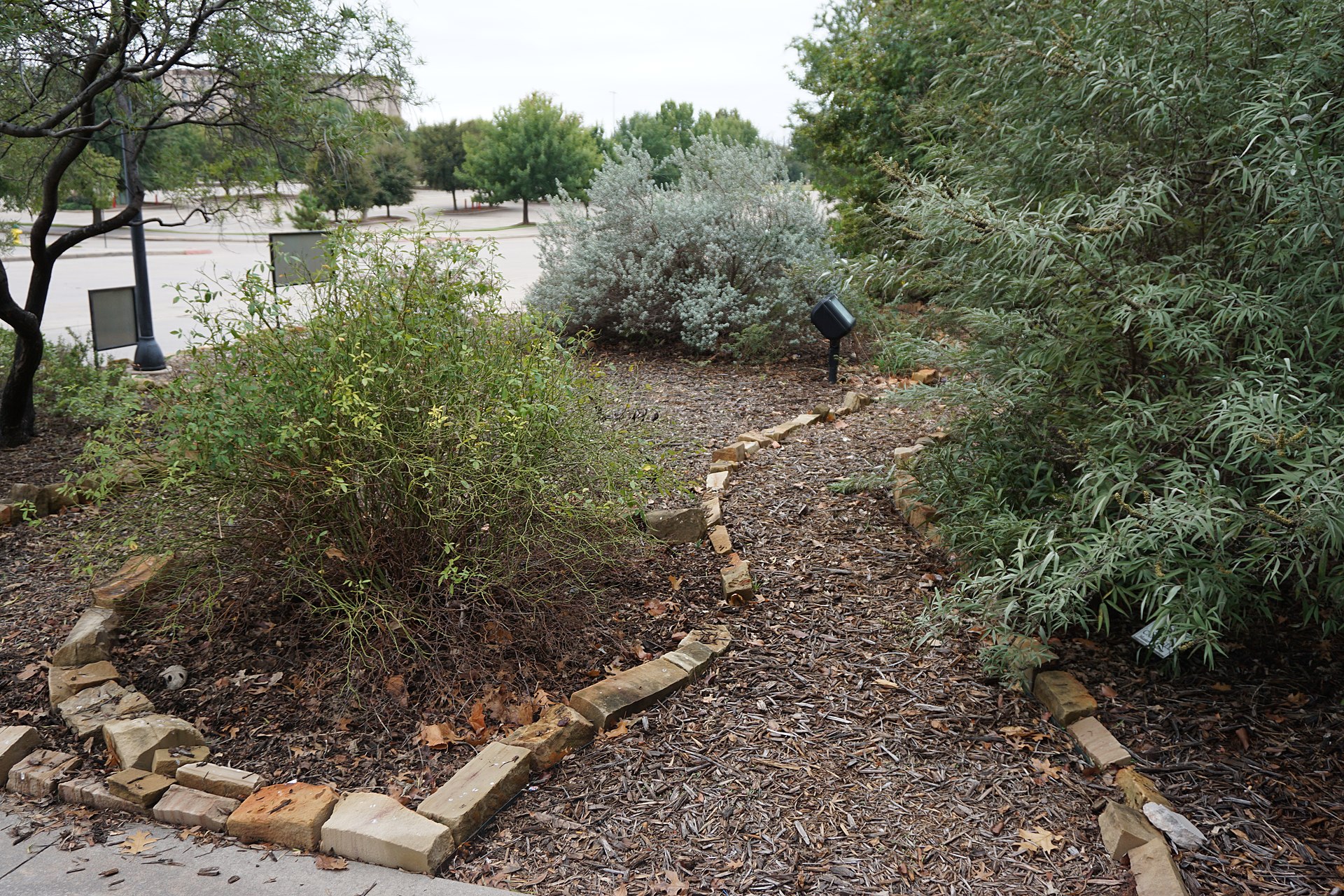
What actually makes a plant drought-tolerant
I learned about drought tolerance the hard way, by killing plants that were supposed to be bulletproof. The trouble was never the plant. It was that I planted a so-called drought-tough perennial in rich, moisture-holding soil, fed it, watered it like a tomato for one season, then left for a dry August and came home to mush. Drought tolerance is not a switch you flip. It is a partnership between the right plant, the right soil, and a watering habit that teaches roots to go looking for moisture instead of waiting for you.
Botanically, the plants that shrug off drought tend to share a few adaptations. Some store water in fleshy leaves or stems, the way sedum and other succulents do. Many wear silvery, hairy, or waxy foliage that reflects sunlight and slows evaporation, which is why lavender, Russian sage, and lamb's ear all look frosted. Others, like switchgrass and prairie natives, invest in long taproots or deep fibrous root systems that mine moisture from well below the surface. None of these tricks help if the roots stay shallow, which is the single biggest reason gardeners lose plants they were told were tough.
The other half of the equation is soil. This is where most lists go quiet, but it matters more than the plant choice. Drought-tolerant plants overwhelmingly prefer lean, fast-draining soil. Russian sage, lavender, and sedum all rot in winter if they sit in heavy, soggy ground, and they sulk if you feed them. Proven Winners says it bluntly for sedum and Russian sage: do not add fertilizer or organic matter. Rich soil produces soft, floppy, thirsty growth. Gravelly, sandy, or simply unamended soil produces the tight, tough plant you actually want.
Every plant below has earned a place in my own beds or in trials I have watched over the years. For each one I have noted the USDA hardiness zones, the sun it wants, its mature size, and the honest watering reality, because a list that just says low water and moves on is not telling you the part that gets plants killed.
How we chose
How I chose and tested these plants
This is not a scrape of every plant with the word xeric attached to it. I focused on plants that are widely available at ordinary nurseries, hardy across a useful range of zones, and that I or growers I trust have actually run dry. A plant that survives drought in a research plot in Oregon but melts in humid Southern heat does not make a general list, so I have flagged where humidity or winter wet changes the story.