
Wild Flowers: 12 Native Picks to Replace Your Lawn With
Native perennial wildflowers for the meadow, the prairie strip, or the bed where lawn was struggling. Feeds local pollinators; once established, near-zero maintenance.
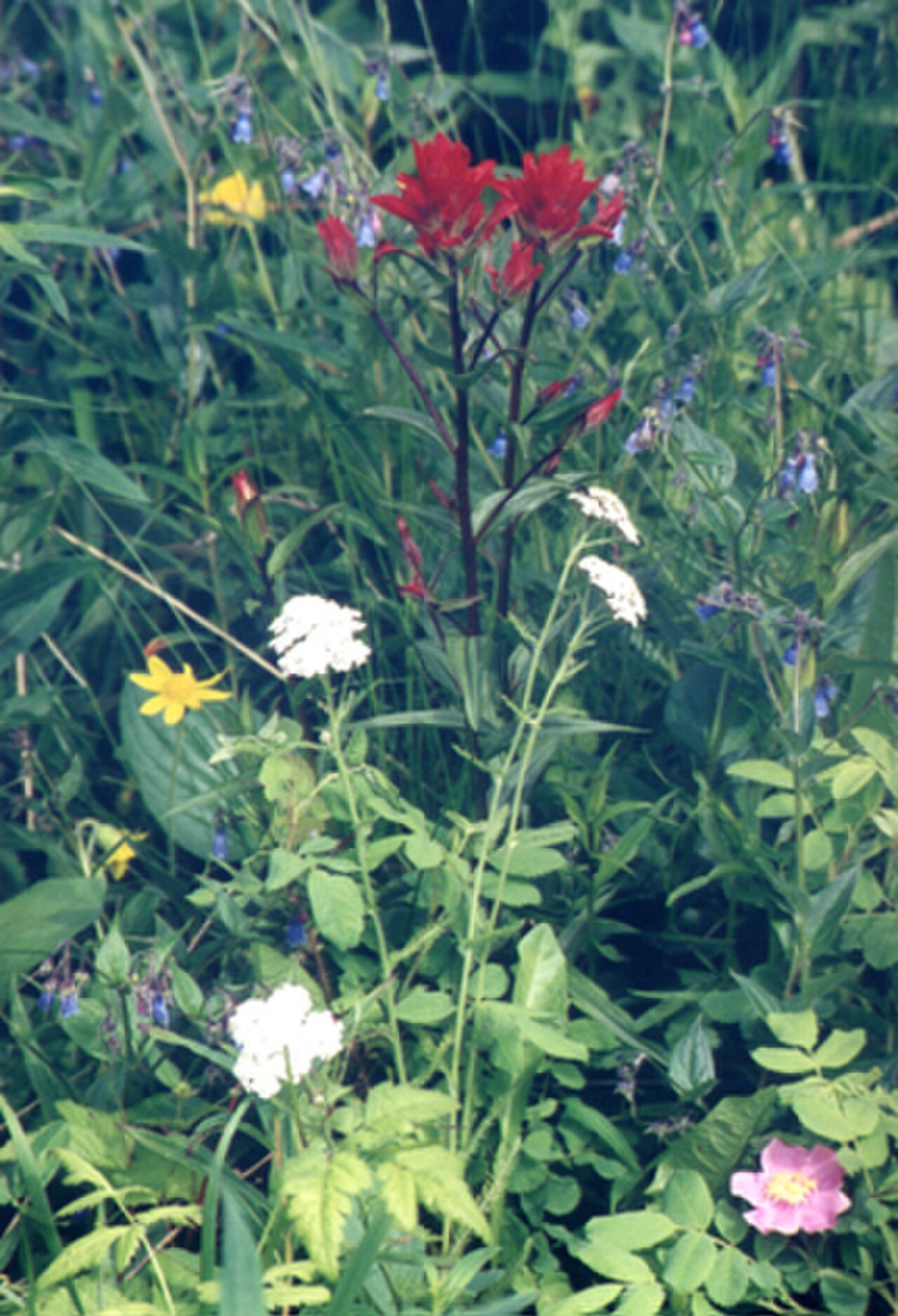
Wildflower meadows in cottage-garden books look unmanaged but every successful one I've seen was carefully chosen. The seed mixes at the box store with 30 species and a five-acre coverage claim mostly fail — they pack in non-native annuals that bloom year one and disappear. This list is native perennial wildflowers for North American gardens, picked for reliability over flash.
How we chose
Picked for: native to most of North America, perennial (returns each year), pollinator support, and tolerates the lawn-replacement situation (full sun, hot summer, occasional drought, no fertilizer). For a 100-sq-ft meadow patch, plant 5-7 species in groups of 3-7 per species.
1. Black-Eyed Susan (Rudbeckia hirta / fulgida)
Zones 3-9, full sun, summer-fall. The native meadow workhorse. R. fulgida 'Goldsturm' for permanence; R. hirta for short-lived showy first-year bloom.
2. Purple Coneflower (Echinacea purpurea)
Zones 3-9, full sun, summer-fall. Native, drought-tolerant, goldfinches eat the seeds. 'Magnus' the most reliable cultivar.
3. Common Milkweed (Asclepias syriaca)
Zones 3-9, full sun. Monarch host plant. Spreads aggressively — perfect for a meadow, problematic in a tidy bed.
4. Butterfly Weed (Asclepias tuberosa)
Zones 3-9, full sun, lean dry soil. Orange umbels. Well-behaved milkweed alternative; doesn't spread by rhizome.
5. Bee Balm (Monarda fistulosa)
Zones 3-9, sun, summer. Native species; lavender flowers, hummingbird and bee magnet. More mildew-resistant than M. didyma.
6. Goldenrod (Solidago spp.)
Zones 3-9, full sun, late summer-fall. Late-season pollinator workhorse. 'Fireworks' the non-spreading clumping cultivar for tidier gardens. Does NOT cause hay fever (ragweed does).
7. New England Aster (Symphyotrichum novae-angliae)
Zones 3-9, sun, fall. Tall purple-blue daisy-form. Pinch in June for compact form. Feeds migrating monarchs.
8. Joe-Pye Weed (Eutrochium purpureum)
Zones 3-9, sun to part shade, late summer. 5-7 ft. Pink dome flowers. Pollinator magnet; 'Little Joe' a 4-ft cultivar for smaller gardens.
Plant in fall or early spring; mulch with shredded leaves; the first year is establishment, the second is the bloom. Skip the box-store wildflower seed mix and buy from local native plant nurseries for cultivars matched to your region.