
Types of Succulents
From cold-hardy stonecrops that overwinter in my zone 7b beds to tender rosettes that come indoors — the succulents I actually grow, and where each one belongs.
Succulents split into two practical camps. Hardy types — sedums and sempervivums — survive down to roughly zone 4–5 (around -20°F) and stay outdoors year-round. Soft, tender types — echeveria, aloe, jade, kalanchoe, and most trailing succulents — only take outdoor winters in zones 9–11 and come inside everywhere colder. All of them want sharp drainage and far less water than people give them. Below are fourteen I grow, sorted so you can tell at a glance which will overwinter where you garden.
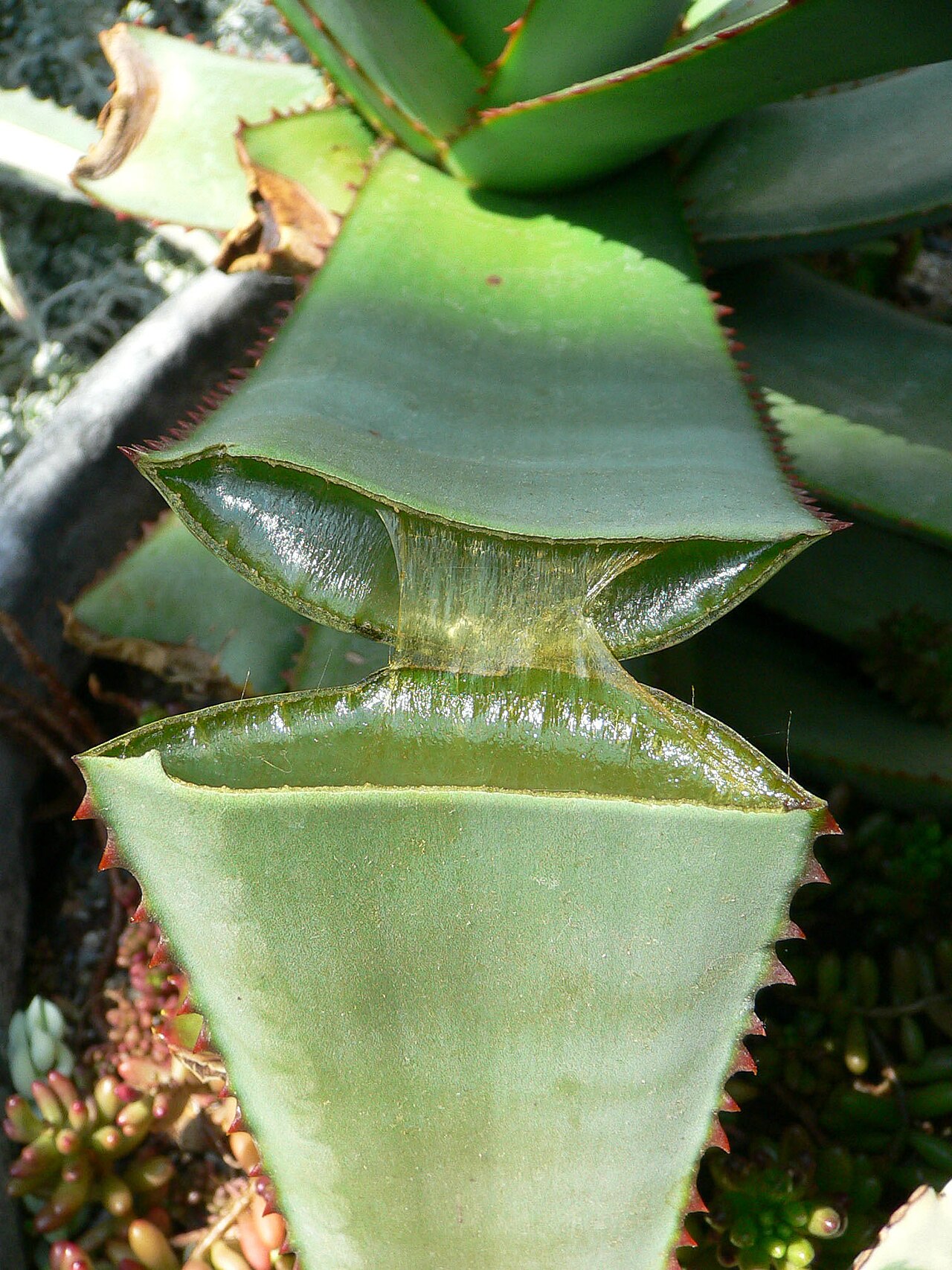
The single most useful thing to know about succulents is that “succulent” is a habit, not a hardiness rating. People lump a frost-proof stonecrop and a tender echeveria into the same mental category and then lose the echeveria to the first hard freeze. So this list is organized around the question that actually matters in my zone 7b garden: will it live outside through winter, or does it need to come in?
The hardy ones — the sedums and sempervivums up top — earn permanent spots in my gravel beds and a green roof I tend. The tender ones I treat as summer container plants and winter houseplants. Either way the care is mostly about restraint: gritty soil, full sun, and water only when the soil is genuinely dry. The fastest way to kill any of these is kindness with the watering can.
How we chose
How I sorted these
Everything here has been through at least one season in my hands — outdoors in gritty raised beds and containers, or on a windowsill through a Mid-Atlantic winter. I led with cold hardiness because that's the variable that decides whether a succulent is a landscape plant or a houseplant for you, then judged each on drought tolerance, sun needs, and how forgiving it is of beginner mistakes. I water on the soak-and-dry method and use no fertilizer to speak of — a weak feed once in spring is plenty. Toxicity is flagged where it matters; if you have cats or dogs, read those notes, because a few common succulents are genuinely unsafe for pets.
1. Hens and Chicks (Sempervivum tectorum)
Zones 3–8 · Full sun · Evergreen rosettes, 3–6 in
The hardiest succulent most of us can grow, and the one I'd hand any beginner. Sempervivum tectorum forms mats of fleshy evergreen rosettes that throw off “chicks” around the parent and shrug off cold to about -20°F. Pet-safe, drought-proof, and perfect for a wall crevice or trough. Each rosette flowers once then dies, but the offsets carry on.
2. Autumn Joy Stonecrop (Hylotelephium 'Herbstfreude')
Zones 3–9 · Full sun · Pink-to-rust blooms late summer–fall, 18–24 in
An upright border sedum, now botanically