
Different Types of Flowers
A working tour of the different types of flowers — annuals, perennials, bulbs, and biennials — with a field-tested representative of each and the zones it actually lives in.
Flowers sort into a few practical groups: annuals (zinnia, marigold) that bloom hard for one season, perennials (coneflower, peony, daylily) that return for years, bulbs (tulip, daffodil, dahlia) that store energy underground, and biennials (foxglove, hollyhock) that flower in their second year. Below is one dependable representative of each type, with its zone and bloom season, so you can build a bed that has color from spring to frost.
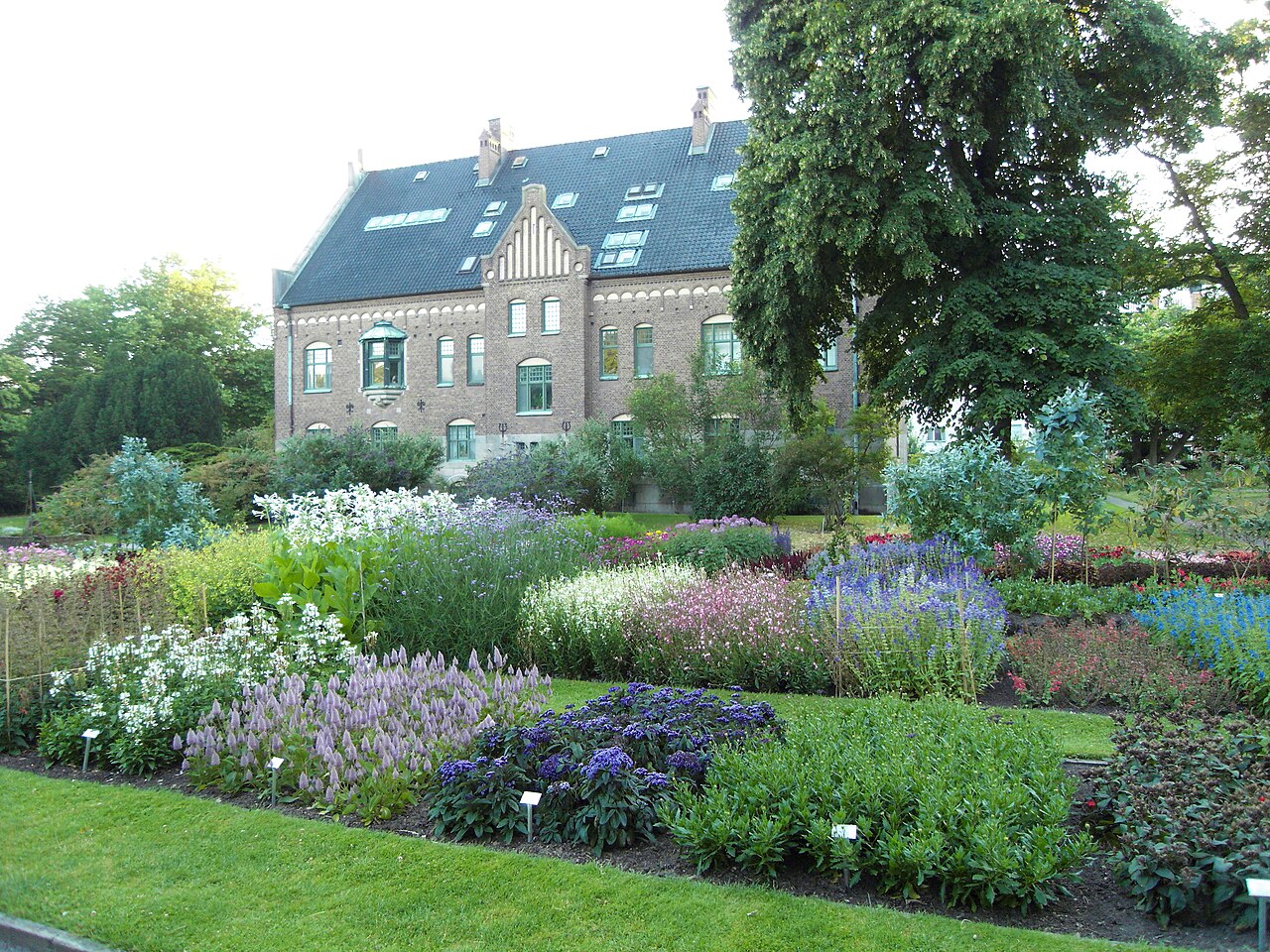
When people ask me how to plan a flower bed, I don't start with colors — I start with types. Understanding whether a flower is an annual, a perennial, a bulb, or a biennial tells you almost everything that matters: how long it lives, when it blooms, whether you'll replant it, and how it fits with everything around it. Get the types right and the colors take care of themselves. I garden in zone 7b clay, mostly sun, and every bed I love is really a deliberate mix of these life cycles working in shifts.
So this list is a tour of the different types of flowers, with one reliable, field-tested representative for each — the plant I'd hand a beginner to learn that whole category from. Annuals for instant, all-season color; perennials for the backbone that returns; bulbs for the early-season punch; biennials for the cottage-garden verticals. Read it as a primer on the types, then steal the specific plants for your own beds.
How we chose
I organized this by life cycle because that's the distinction that actually changes how you garden, then chose representatives that are widely available, genuinely easy, and that I've grown myself on heavy clay. A note on hardiness: a plant that's perennial in a warm zone is often grown as an annual in a cold one, and vice versa, so I give the zone range and flag those cases. Bloom seasons and zones below are checked against horticultural sources, not guessed.
1. Zinnia (Zinnia elegans) — Annual
All zones as an annual · Full sun · Early summer to frost, 1–4 ft
The annual I hand every beginner. Direct-sow zinnia seed after the soil warms and you'll have nonstop, cut-and-come-again blooms in every color until frost. 'State Fair' gives tall cutting-garden stems; 'Profusion' is a compact, mildew-resistant series for the front. Annuals like this grow, bloom, and die in one season — which is exactly why they bloom so generously. Butterfly magnets.
2. Marigold (Tagetes patula) — Annual
All zones as an annual · Full sun · Early summer to frost, 6–18 in
The other annual workhorse, and a genuinely useful one in the vegetable garden — French marigolds are classic companions for tomatoes and are credited with deterring certain soil nematodes. Easy from seed, long-blooming, and shrugging off heat, they're the dependable hot-color filler. A good representative of why annuals earn their replanting every year: sheer, season-long output.