
Indoor Plants: 12 Reliable Picks for Real-World Apartments
Picked for light tolerance, water forgiveness, and pet safety where it matters. The houseplants that survive renters, low light, and missed waterings.
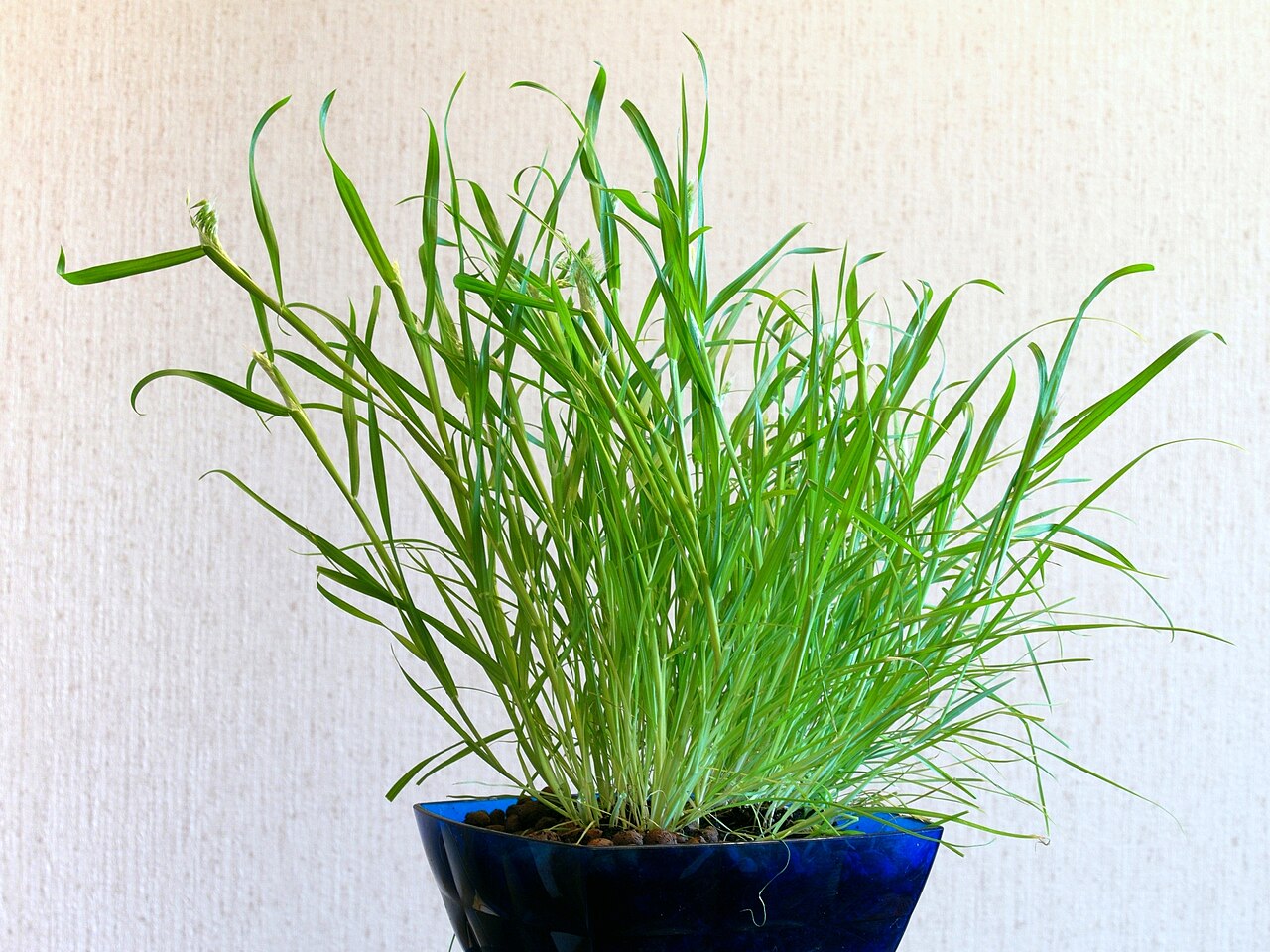
Most indoor-plant lists are aspirational. This one is the set I keep recommending to people who travel, live in low-light apartments, or have killed three plants in a row. Pet-safe options are flagged; the rest are toxic enough that a cat or dog should not be left to chew the leaves.
How we chose
I chose for three things: tolerates being forgotten (a week without water in cooler months), tolerates low light (a north window or 6 feet from an east window), and an honest pet-safe note where I have a kitchen-test verdict.
1. Pothos (Epipremnum aureum)
The starter houseplant for low light. Vining, grows in water or soil, tolerates north windows. Propagates from any 6-inch cutting in a glass of water. Toxic to pets if chewed.
2. Snake Plant (Dracaena trifasciata)
Tolerates direct sun, low light, and weeks without water. Architectural upright leaves. The plant I recommend for the office desk that gets watered once a month. Toxic to pets.
3. ZZ Plant (Zamioculcas zamiifolia)
Glossy compound leaves, near-zero water in winter, north-facing tolerant. Stores water in underground rhizomes. Toxic to pets.
4. Spider Plant (Chlorophytum comosum)
Pet-safe. Variegated arching leaves, produces babies on runners that root in water. Bright indirect light. Brown leaf tips mean tap water; rainwater or filtered water solves it.
5. Cast Iron Plant (Aspidistra elatior)
Pet-safe. Named for what it tolerates. Deep shade, dry soil, neglect. Slow-growing — a mature plant is an investment. The right answer for the dark hallway corner.
6. Philodendron (Philodendron hederaceum)
Heart-leaf vining. Low to medium light. Trains on a wall or hangs from a shelf. Propagates as easily as pothos. Toxic to pets.
7. Peace Lily (Spathiphyllum)
Tells you when it needs water by drooping dramatically and recovering within hours. Medium light, white flower spathes 2-3 times a year. Toxic to pets if eaten.
8. Boston Fern (Nephrolepis exaltata)
Pet-safe. The exception to fern fussiness — tolerates household humidity if kept in a bathroom or grouped with other plants. Trim brown fronds at the base; new ones unfurl monthly.
Buy one. Get it home, settle it in a spot that matches its light needs, and leave it alone. The most-killed houseplant is the over-loved one — repotted weekly, fertilized monthly, moved into every corner looking for the perfect light. Pick a plant, pick a spot, and resist the urge to fix what is not broken.