22 Native Plants That Feed Pollinators and Need Little Care
Twenty-two regionally adapted natives that pull in bees and butterflies, shrug off drought once rooted, and ask almost nothing of you after the first season.
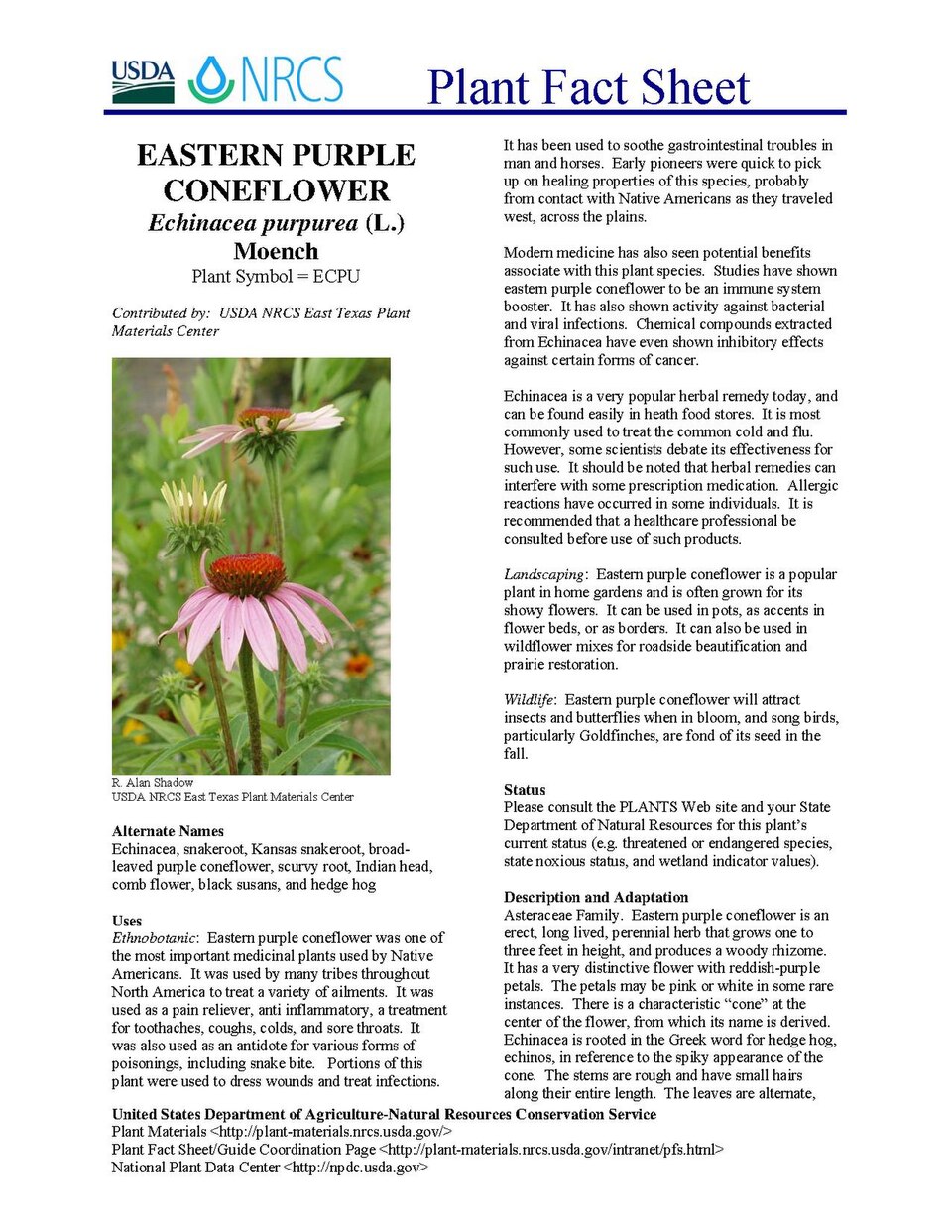
The most reliable native plants for pollinators that genuinely need little care are deep-rooted perennials matched to your USDA zone and soil: purple coneflower, black-eyed Susan, butterfly weed, wild bergamot, common and swamp milkweed, blazing star, asters, and goldenrod. Choose three to five species with overlapping bloom from June through October so something is always in flower. Plant in fall or early spring, space 18 to 24 inches apart, water through the first season, then mostly leave them alone. Skip fertilizer and pesticides, and leave the stems standing over winter for nesting bees and seed-eating birds.
Why native plants are the low-effort answer for pollinators
Every spring I get the same question from neighbors who have watched their hybrid annuals melt by August: what can I plant that feeds the bees, survives the heat, and does not need me hovering with a hose? The honest answer is almost always a native perennial. Plants that evolved alongside your local bees, butterflies, moths, and beetles are not a trend. They are the path of least resistance, because the relationships between these plants and the insects that visit them are millions of years old.
Native plants earn the low-maintenance label for concrete reasons. Their root systems run deep, sometimes several feet down, which lets them mine water and nutrients that shallow-rooted exotics cannot reach. That depth is why an established stand of butterfly weed or little bluestem coasts through a dry July while the petunias collapse. They are adapted to your rainfall, your soil chemistry, and your winters, so they rarely need fertilizer, almost never need pesticides, and once their roots are down they shrug off drought that would kill a nursery hybrid.
The pollinator payoff is just as direct. A widely cited study from the University of Vermont found that purple coneflower alone drew 27 different bee species. Specialist bees, the ones that have narrowed their diets to a single plant genus over evolutionary time, often cannot reproduce without their host native present. A garden of exotic ornamentals can look busy with honeybees and still be a desert for the hundreds of native solitary bee species your region actually depends on.
There is a catch worth saying out loud, because most lists skip it. Low maintenance does not mean no maintenance, and it does not mean every native behaves itself. Common milkweed runs aggressively by underground rhizome. Some goldenrods will seed into every bare patch you own. A few of these plants flop without a neighbor to lean on. Throughout this guide I will tell you which ones spread, which ones sulk, and which ones are the genuinely set-and-forget picks I steer beginners toward first.
The single most important decision you will make is matching the plant to your conditions. Native to North America is not the same as native to your yard. A swamp milkweed wants wet feet and a butterfly weed wants sharp drainage, and planting either in the wrong spot guarantees the fussiness you were trying to avoid. Throughout this list I give the USDA hardiness range, the light and soil each plant actually wants, and the bloom window, so you can build a sequence that feeds pollinators from the first warm week of summer to the last aster of fall.
How we chose
How to choose and plant natives so they actually thrive
A pollinator garden that genuinely needs little care is built on a few decisions made before you ever dig a hole. Get these right and the plants do the rest. Get them wrong and you spend three summers fighting symptoms. The framework below is the same one I walk clients through, and it has saved more native plantings than any product on a garden-center shelf.