
How to Plant Lavender
Lavender doesn't ask for much — just sun, sharp drainage, and that you stop being so generous with the watering can.
Plant lavender in spring once the soil has warmed past about 60°F and frost is done. Give it the sunniest, best-draining spot you have — full sun and gritty, near-neutral soil (pH 6.5–7.5) matter more than anything else. Dig in coarse grit if your ground is heavy, set plants 2–3 feet apart, water to establish, then ease off hard. For most of the U.S., English lavender (Lavandula angustifolia) cultivars like 'Munstead' and 'Hidcote' are the hardy, reliable choice; French and Spanish types are tender and only winter over in warmer zones. In my zone 7b clay I plant lavender on a raised mound — that single move is the difference between a plant that thrives and one that rots.
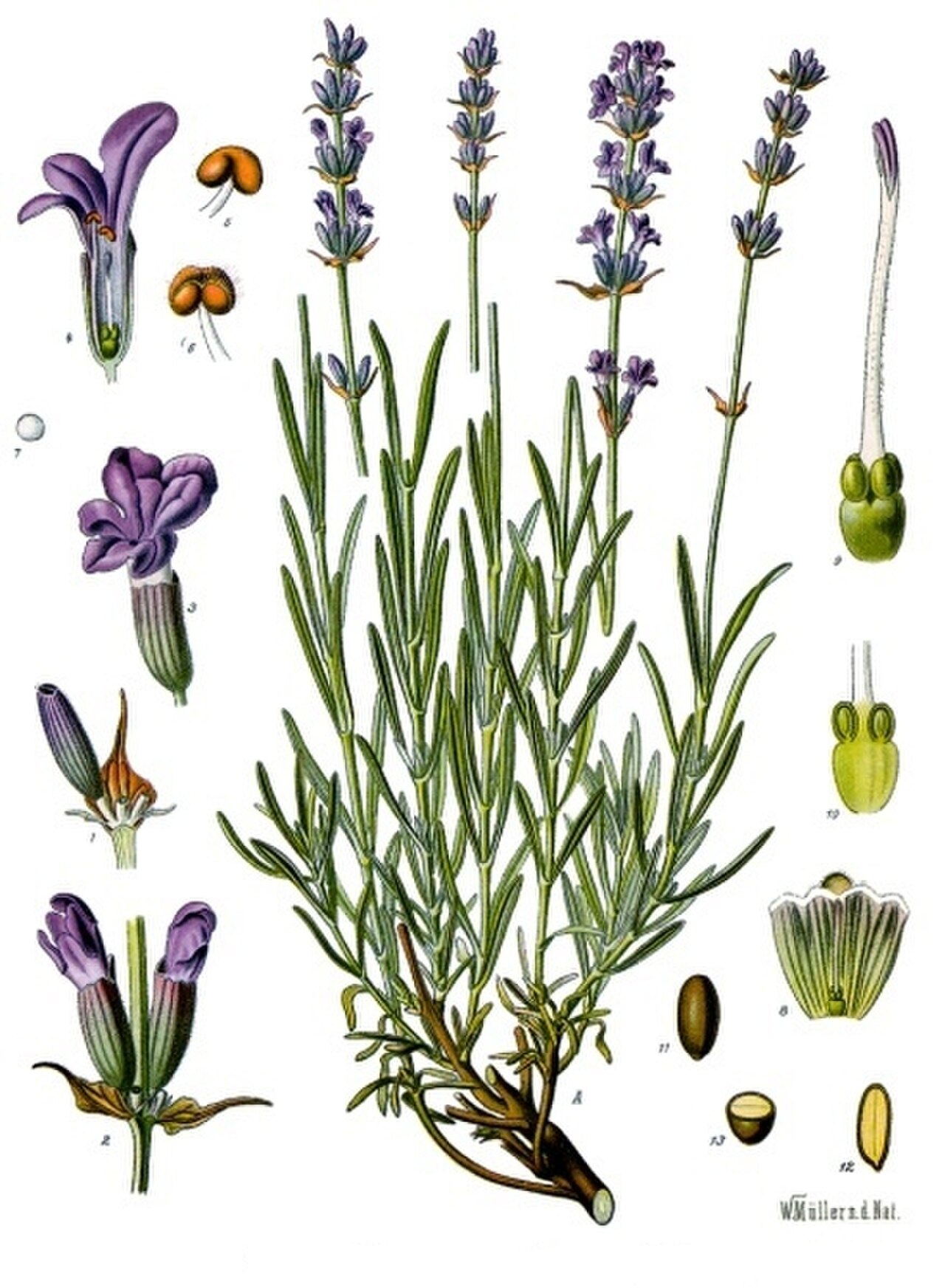
Pick the Right Lavender for Your Zone First
Half the failed lavender I'm asked about wasn't planted wrong — it was the wrong lavender for the winter. So before a trowel touches soil, match the type to your zone. English lavender, Lavandula angustifolia, is the cold-hardy backbone, dependable to about USDA zone 5 and the one I plant in my own beds. French lavender (L. dentata) and Spanish lavender (L. stoechas) are showier but tender, generally only perennial in zones 8–11. Below that, treat them as container plants you bring in.
| Type | Reliable Zones | Go-To Cultivars |
|---|---|---|
| English (L. angustifolia) | 5–9 | 'Munstead', 'Hidcote' |
| Spanish (L. stoechas) | 8–11 | 'Anouk' |
| French (L. dentata) | 8–11 | species form |
'Hidcote' gives you deep violet flowers and silver-gray foliage on a tight, compact plant; 'Munstead' runs a touch more blue-violet over darker green and blooms a little earlier. I grow both — they're so similar in habit that the choice is mostly about the flower color you want in the border. Not sure which half-zone you're in? It's worth a minute on the growing zone map before you buy anything tender.
When to Plant: Wait for Warm Soil
Spring is prime time. Set young plants out after your last frost has passed and the soil has warmed to at least 60°F — for me that's late April into May. Lavender pushed into cold, wet spring ground sulks and rots before its roots ever take hold; a couple of weeks of patience buys you a far stronger plant. In hot southern zones (8 and up) you can also plant in early fall, which lets the roots settle over a mild winter and explode the following spring.
Site and Soil: Sun and Drainage Are Non-Negotiable
Lavender wants full sun — six or more hours of direct light, and more is better. It also wants soil that drains fast and runs near neutral, pH 6.5–7.5. It evolved on dry, stony Mediterranean hillsides, and it never forgot. Wet feet in winter kill more lavender than cold ever does.
My ground is heavy zone 7b clay, exactly the soil lavender hates, so I cheat: I plant on a raised mound or in a gravelly berm. Working a generous amount of coarse grit, pea gravel, or sharp sand into the planting area lifts the crown above standing moisture and gives roots the air they need. If your soil runs acidic, a little garden lime nudges the pH up into range. Skip the rich compost and manure here — lush, fertile soil gives you floppy foliage and weak scent. Lean soil makes a tougher, more fragrant plant.
Step by Step: Putting Plants in the Ground
Loosen and amend a wide area with grit so drainage extends well beyond the root ball, then mound the soil a few inches if your ground holds water.
Dig a hole no deeper than the root ball — the crown must sit at or slightly above soil level, never buried, or it will rot at the base.
Space plants 2–3 feet apart so air moves freely between them; crowded lavender stays damp and invites rot.
Backfill, firm gently, and water in well to settle the soil around the roots.
Mulch with a thin layer of gravel or coarse grit — not bark or compost — to keep the crown dry and reflect heat.
For the first season, water deeply but occasionally to help roots establish — let the soil dry between drinks. After that, lavender is genuinely drought-tolerant and resents fussing. The most common way I see new gardeners kill it is kindness: watering an established plant on a schedule until the roots drown. Once it's settled, leave it thirsty.
After Planting: Pruning, Feeding, and Winter
Lavender wants almost no feeding — skip the fertilizer entirely or use the lightest hand. The real maintenance is pruning, and it keeps a plant alive for years instead of going woody and splitting open by year four. After the first flush of bloom, shear the spent flower stalks and the top inch or two of green growth to keep the mound tight. In early spring, cut back by about a third — always into living, leafy wood, never hard into the bare brown stems, which rarely resprout.
For winter in cold zones, the gravel mulch and sharp drainage do most of the protecting. In zones 5–6 I'll lay evergreen boughs over English lavender after the ground freezes to buffer the worst freeze-thaw cycling — but the single most important winter survival factor is still drainage, not cold protection. A dry, gritty lavender shrugs off a hard winter; a wet one doesn't see spring.
Frequently Asked Questions
What is the best time of year to plant lavender?
Spring, after the last frost and once soil has warmed to about 60°F, is best in most regions. In warm zones (8 and up) early fall planting also works well, giving roots a mild winter to establish before spring growth.
How far apart should lavender be planted?
Space plants 2–3 feet apart. Lavender reaches 1–3 feet wide at maturity and needs free air movement between plants to stay dry and avoid rot, so don't crowd it.
What soil does lavender need?
Fast-draining, lean soil with a near-neutral pH of 6.5–7.5. Amend clay or compacted ground with coarse grit or sand and plant on a raised mound. Avoid rich, fertile soil — it produces floppy growth and weaker fragrance.
Does lavender come back every year?
Yes, if it's the right type for your zone. English lavender is a hardy perennial to about zone 5 and returns for many years with light pruning. French and Spanish lavenders are tender and only perennial in zones 8–11; elsewhere grow them in pots and overwinter indoors.