
Grow Bags
The fabric pots we tested for two seasons — what to grow in them, what size to buy, and where they beat a plastic pot.
Grow bags are breathable fabric pots, usually nonwoven polypropylene, that air-prune roots and drain freely, so they're hard to overwater but dry out roughly twice as fast as plastic. Match the size to the crop: 3 to 5 gallons for herbs, lettuce, and peppers; 7 to 10 gallons for determinate tomatoes and potatoes; 15 to 20 gallons for indeterminate tomatoes. They need no extra drainage holes, want watering about twice as often as pots, and last 2 to 5 seasons. I built our raised beds, and for renters and bad-soil yards the bags do most of what a bed does at a fraction of the cost.
What a Grow Bag Actually Is
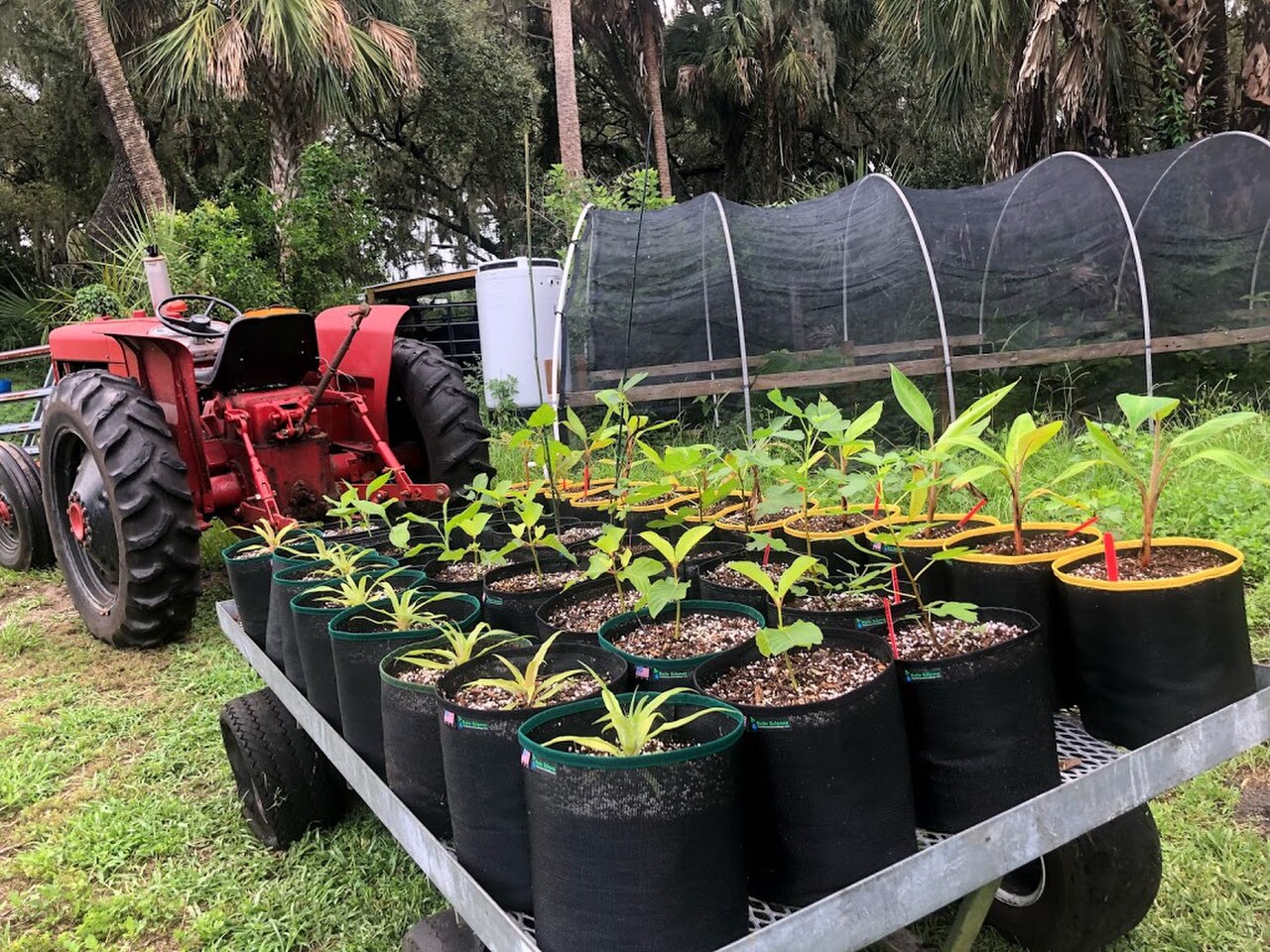
A grow bag is a soft-sided container made from breathable fabric — almost always a nonwoven, felt-like polypropylene. That fabric is the whole point. Where a plastic pot is a sealed wall, the bag's wall is full of microscopic pores that let air and water move through it. The raised beds we recommend, I built; the grow bags I've leaned on for the in-between spaces — the gravel side yard, the rental balcony, the spot where the soil is pure construction fill.
Two things follow from that breathable wall. First, drainage is automatic — excess water simply weeps out the sides and bottom, so you don't drill holes and it's genuinely hard to drown a plant in one. Second, the roots air-prune: when a root tip reaches the fabric and hits dry air, it stops and the plant pushes out a denser, more fibrous root system behind it instead of spiraling into a root-bound knot the way it does in plastic. That fibrous root mass is the quiet reason bag-grown tomatoes and peppers often out-pace the same variety in a sealed pot — more feeder roots means more uptake of water and nutrients through the season.
Grow Bags vs. Plastic Pots: The Honest Trade-Offs
Grow bags aren't strictly better than pots — they're a different set of compromises, and I'll be straight about them. The air-pruning and drainage are real advantages, especially for anyone who tends to overwater or who's fighting heavy, slow-draining ground. Black bags also warm the root zone in spring, which tomatoes and peppers appreciate. But that same breathability is the catch: bags dry out about 40% faster than a plastic pot of the same volume, so in a hot, windy July you may be watering daily.
| Factor | Fabric Grow Bag | Plastic Pot |
|---|---|---|
| Watering need | About twice as often | Holds moisture longer |
| Root health | Air-pruned, fibrous | Can circle and bind |
| Lifespan | 2–5 seasons | 10+ years |
| Storage | Folds flat | Bulky, rigid |
On cost, a quality bag runs a few dollars and lasts a handful of seasons; a good plastic pot costs more up front but can last a decade. If you're filling a patio for the long haul, pots may pencil out. If you want flexibility — to move plants, fold the empties flat over winter, or trial a new bed layout — bags win.
Sizing: Match the Gallons to the Crop
Undersizing is the most common mistake I see, and it's the one that quietly halves your harvest. A plant in too little soil runs out of water and nutrients between feedings and stalls. Here's the sizing I've settled on after two seasons of testing on the patio.
3–5 gallon: lettuce, radishes, herbs, and a single pepper plant.
7–10 gallon: determinate (bush) tomatoes, and potatoes — figure about 2.5 gallons per potato plant, so a 7-gallon holds two or three comfortably.
15–20 gallon: indeterminate (vining) tomatoes, squash, and full potato towers.
At least 12 inches tall: carrots, beets, and other root crops that need depth.
Filling, Watering, and Feeding
Don't fill a grow bag with garden soil — it compacts in the bag, holds water badly, and you lose the drainage advantage you bought the bag for. Use a quality potting or container mix. I build mine organic-first: a good peat- or coir-based potting mix cut with compost, plus a handful of worm castings. Because that free-draining mix flushes nutrients out the sides every time you water, container plants need feeding more often than ground plants — I top-dress with compost mid-season and use a balanced organic liquid feed every couple of weeks for hungry crops like tomatoes.
Water is where bags demand attention. Plan to water roughly twice as often as you would a comparable pot — daily in peak summer heat for the larger crops. The flip side is reassurance for nervous waterers: because the fabric breathes and sheds excess, it's genuinely hard to rot a plant by overwatering in a bag. Setting the bags on pot feet or a couple of bricks keeps the bottom from wicking heat off hot pavement and improves airflow underneath.
Potatoes are my favorite grow-bag crop — the same hilling logic from the how to plant potatoes guide works perfectly: start with a few inches of mix, then top up the bag as the plants climb.
The Crops That Reward a Grow Bag
After two seasons of side-by-side trials I keep a short list of crops that genuinely do better in a bag than in my ground, and a couple I won't bother with again. The winners share a trait: they like warm, fast-draining root zones and resent the cold, sodden clay I garden over.
Tomatoes — the black fabric warms the roots, and the air-pruning builds the fibrous root system a heavy feeder wants. 'Celebrity' in a 10-gallon, 'Sungold' in 15.
Potatoes — the standout. Plant shallow, then top up the bag as the plants climb, and tip it out at harvest instead of digging.
Peppers, bush beans, and leafy greens — all reliable, and a 5-gallon handles most of them.
What I skip: thirsty squash and melons unless I'm prepared to water twice daily, and anything perennial that needs to overwinter — the exposed root ball freezes hard in a bag.
End of season, I empty the bags, knock the spent mix into the compost, and rinse and air-dry the fabric before folding it flat for storage. That single habit is the difference between a bag that lasts two seasons and one that lasts five, and it's the kind of small discipline that earns the bag its keep against a longer-lived plastic pot.
Frequently Asked Questions
Do grow bags need drainage holes?
No. The breathable fabric drains excess water through the entire wall and base, so there's no need to add holes. That same porosity makes it very difficult to overwater a plant in a fabric bag.
How long do fabric grow bags last?
Most fabric grow bags last 2 to 5 seasons depending on the fabric weight, UV exposure, and how roughly you handle them. A heavier nonwoven bag stored out of the sun over winter can stretch toward the longer end of that range. Plastic pots outlast them by far, but bags fold flat for storage and cost a fraction as much.
How often should you water grow bags?
Plan to water about twice as often as a comparable plastic pot, because the breathable fabric lets bags dry out roughly 40% faster. In peak summer heat that can mean daily watering for larger crops. Check the top inch or two of mix; if it's dry, water until it runs from the sides.