
Cover a Raised Garden Bed
I've tested every cover from frost cloth to bird netting across a season of beds — here's what each one is actually for and how to rig it so the wind doesn't win.
How you cover a raised bed depends on what you're protecting against. For frost and season extension, drape a floating row cover or frost cloth over hoops and bury or weight the edges. For pests, use lightweight insect netting; for summer scorch, shade cloth that blocks 30–50% of light; for winter dormancy, a tarp or heavy cover plus a few inches of mulch. The two rules I've proven the hard way on test beds: use rigid metal or thick PVC hoops for any cover that has to bear snow (wire hoops collapse), and always anchor the edges with bricks, landscape pins, or buried fabric so wind can't peel it off overnight. Match the cover to the job and a raised bed is the easiest thing in the garden to protect.
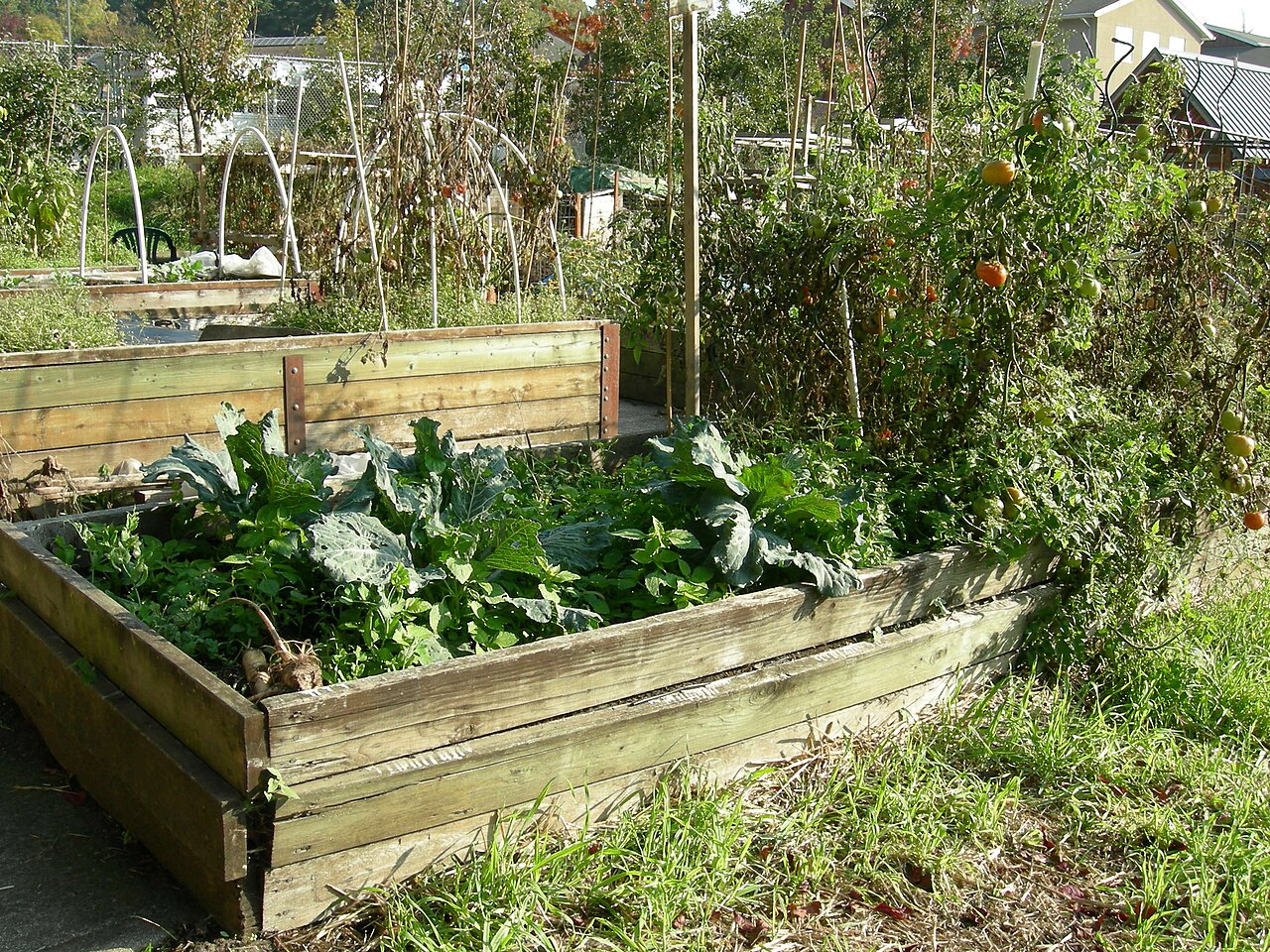
First, Decide What You're Covering Against
"Cover the bed" means four completely different jobs, and grabbing the wrong material is how people end up cooking seedlings under plastic or watching cabbage moths walk straight through shade cloth. Before you buy anything, name the threat. On my test beds I sort every cover into one of four buckets, and the right pick falls out of that immediately.
| Goal | Best Cover |
|---|---|
| Frost / season extension | Floating row cover / frost cloth on hoops |
| Insects / pests | Lightweight insect mesh / fine netting |
| Summer heat / scorch | Shade cloth (30–50%) |
| Winter dormancy / bare bed | Tarp or heavy cover + 2–4 in mulch |
| Birds / animals | Bird netting on a frame |
Covering for Frost and Season Extension
This is the cover most people are after, and it's the one I lean on hardest — a floating row cover (also sold as garden fabric or frost cloth) buys you several degrees of overnight protection and stretches the season at both ends. The lightweight grades let in light, air, and water and can sit right on the plants in a pinch; the heavier winter grades give more warmth but block 30 to 50% of the light, so they're for cold protection, not for growing under long-term.
Hoops make it work. Bend lengths of metal conduit, thick PVC, or buy a hoop kit, space them every two to three feet along the bed, and drape the fabric over the top so it never crushes the plants. Then — and this is the part people skip — pull the cover taut and lock the edges down. Bury the fabric edges in soil, weight them with bricks or boards, or pin them with landscape staples; clip it to the hoops with clothespins if it's windy. A loose row cover is just an expensive kite.
Covers for Pests, Birds, and Summer Heat
Not every cover is about temperature. For cabbage moths, flea beetles, and squash bugs, a lightweight insect mesh laid over hoops keeps egg-laying adults off the crop while still passing light, air, and rain — the single most effective organic pest control I've tested on a brassica bed. The one rule: with insect-pollinated crops like squash or cucumbers, you have to lift the cover when flowers open so bees can get in, or hand-pollinate.
Insect mesh: fine netting on hoops, edges sealed to the bed; the organic-first answer to flying pests.
Bird netting: coarser mesh on a frame, kept off the foliage so birds can't reach through; essential over ripening berries and seedlings.
Shade cloth: 30–50% knit cloth over hoops to take the edge off brutal afternoon sun and stop lettuce and greens from bolting in a heat wave.
All three ride on the same hoop frame as your frost cover, which is the quiet advantage of a raised bed — build the hoops once and you swap the cover to suit the season. I keep a set of conduit hoops on every test bed year-round and just change what's draped over them.
Putting a Bed to Bed: Winter Covering
When a bed is done for the year, covering it over winter protects the soil you worked so hard to build — it stops erosion, suppresses weeds, and shelters the soil life through the cold. My tested go-to is to top the bed with 2 to 4 inches of organic mulch (straw, shredded leaves, or finished compost), then add a heavier cover on top if you want to keep winter rain from leaching it.
A living mulch is the other route I rate highly: sow a cover crop like crimson clover or winter rye in early fall and let it blanket the bed instead of bare soil. It does the same protective job, feeds the soil when you cut it down in spring, and never blows away in a storm the way a tarp does. Between a mulch blanket and a cover crop, I reach for the cover crop on any bed I'm not planning to plant early, and the mulch where I want to clear and sow the moment spring opens up. If you want to dig into building the soil underneath, our guide to topsoil and amendments pairs well with a winter cover plan.
Frequently Asked Questions
What is the best material to cover a raised garden bed?
It depends on the goal. Floating row cover or frost cloth is best for frost and season extension; lightweight insect mesh for pests; 30–50% shade cloth for summer heat; and a tarp plus mulch for putting a bed to bed over winter. All four ride on the same set of hoops.
How do you cover a raised bed for winter?
Apply 2–4 inches of organic mulch (straw, shredded leaves, or compost) over the bed, and add a heavier cover on top if you want to shed winter rain. Use rigid metal or thick PVC hoops that can bear snow, and weight every edge with bricks or pins so wind can't lift it.
How do I keep the cover from blowing off?
Pull the cover taut over the hoops and anchor every edge: bury the fabric in soil, weight it with bricks, boards, or sandbags, or pin it with landscape staples. Clothespins clipped to the hoops add extra hold in gusty spots. A loose cover always becomes a sail.
Can I leave a cover on a raised bed all the time?
Lightweight row cover and insect mesh can stay on through a crop's growth, but you must remove them when insect-pollinated plants flower so bees can reach the blooms, or hand-pollinate. Heavy winter-grade covers block too much light to grow under long-term and are meant for cold protection only.