
White Flowers: Lunaire's Field-Tested Picks
The white bloomers that hold the garden together — by zone, sun, bloom time, and the exact cultivar I'd plant in zone 7b clay.
For dependable white in most U.S. gardens, the workhorses are Shasta daisy 'Becky' (zones 5 to 9), 'Annabelle' hydrangea (zones 3 to 9 — the widest range here), garden phlox 'David' (zones 4 to 8), and white coneflower (zones 3 to 8). For fragrance, oakleaf hydrangea and 'Casa Blanca' lily; for an evening garden, moonflower. Below are twelve I have grown or trialed on heavy clay in zone 7b, each with its zones, sun, bloom time and the named cultivar I would buy. White is the color that knits a busy bed together and the one that glows at dusk.
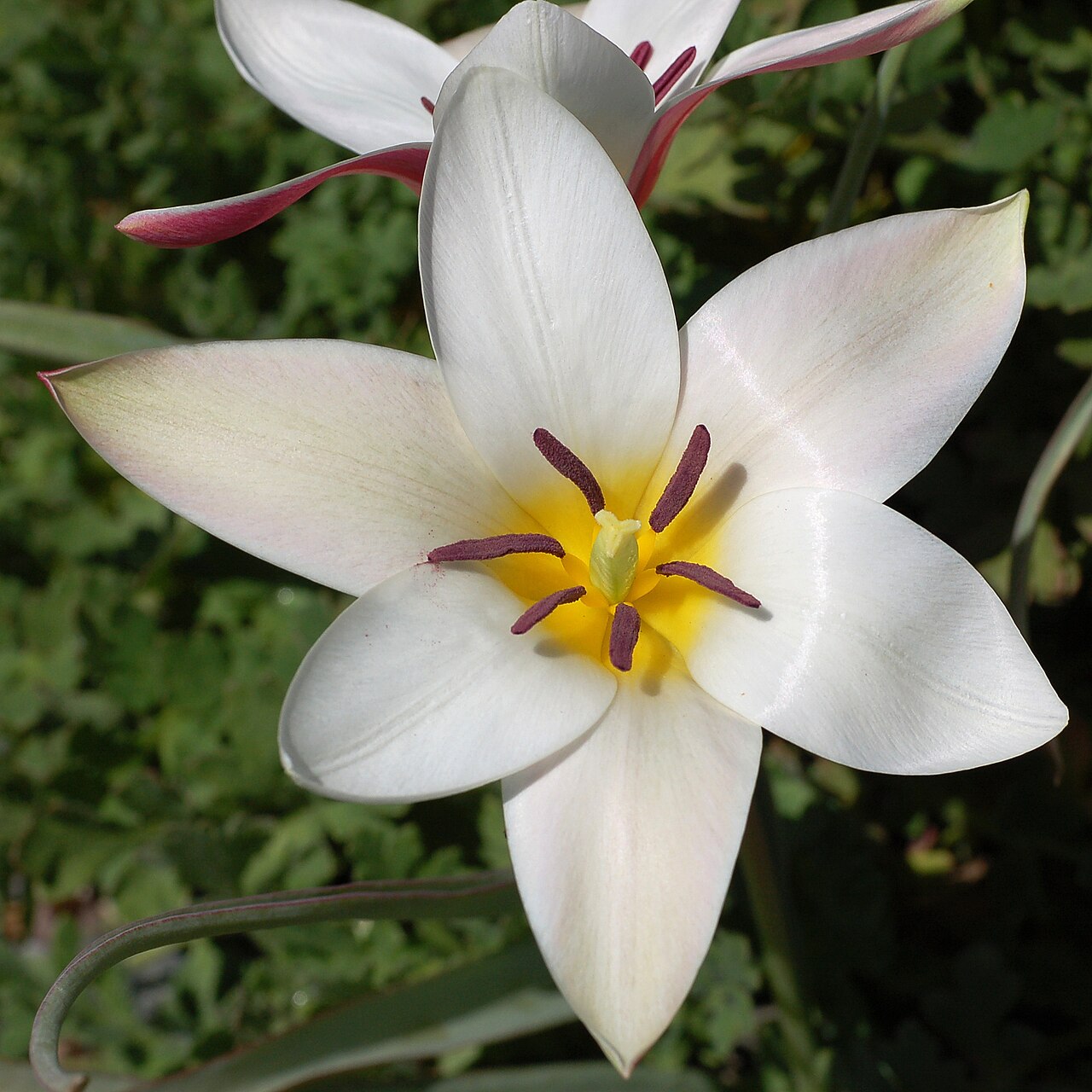
White is the color I add when a bed is loud and needs a referee. It cools every neighbor down, reads clean against green, and — the part people forget — it is the only color that keeps working after dark, glowing in moonlight when everything else goes gray. In my zone 7b clay it is also where the most fragrant things live, from gardenia to lily.
This is not a scrape of every white flower in existence. It is the twelve I keep planting, sorted by what they actually want and how they behaved in my hands. I have named the cultivar each time, because 'white phlox' and 'the white phlox that does not get mildew' are not the same recommendation — and that difference is the whole point.
How we chose
Every plant here I have grown, or trialed and watched closely, on heavy clay in zone 7b with a mix of sun and afternoon shade. I checked each one's USDA hardiness range, mature size, sun and bloom window against current horticultural sources before listing it, and where a plant needs a warm zone or sharp drainage I said so rather than pretending it thrives everywhere. When I name a cultivar — 'Becky', 'David', 'Annabelle' — it is the one that held up in my soil, not just the loveliest catalog shot. Where something is fussy, fragrant, or slow, that is on the page too.
1. Shasta Daisy (Leucanthemum x superbum 'Becky')
Zones 5–9 · Full sun · July to September · 2–3 ft. The white daisy I would plant first. 'Becky' is the gold-standard Shasta — big, bright white flowers with gold centers on strong stems that do not flop in summer storms, the way lesser Shastas do in my clay. It blooms from July into September with regular deadheading and makes an excellent cut flower. Full sun and decent drainage are all it asks; it is one of the most reliable perennials I grow.
2. Smooth Hydrangea (Hydrangea arborescens 'Annabelle')
Zones 3–9 · Part shade · July to August · 3–5 ft. 'Annabelle' has the widest hardiness range of anything on this list and the most forgiving disposition. Huge round heads of white open green, mature to pure white, and dry to tan for winter interest. Because it blooms on new wood, a late frost never costs you flowers — prune it hard in late winter and it returns bigger. It takes part shade and my clay without complaint; the only weakness is that heavy heads flop after rain, so I cut it back to encourage sturdier stems.