
Tree Blooms Pink Flowers: Lunaire's Field-Tested Picks
Twelve trees that bloom pink — from earliest-spring redbud to late-summer crape myrtle — with the cultivars, zones, and mature sizes I've grown in zone 7b.
The most reliable pink-flowering trees, in rough bloom order, are Okame cherry and eastern redbud in earliest spring, then saucer magnolia, Yoshino and Kwanzan cherries, and flowering dogwood through mid-spring, with crape myrtle carrying pink into summer. Most are small to medium trees that fit a real yard, hardy somewhere in zones 4–9. To stretch the pink show across months, plant an early redbud, a mid-spring cherry, and a summer crape myrtle rather than three of the same. Match each to your zone and the mature size of your spot first.
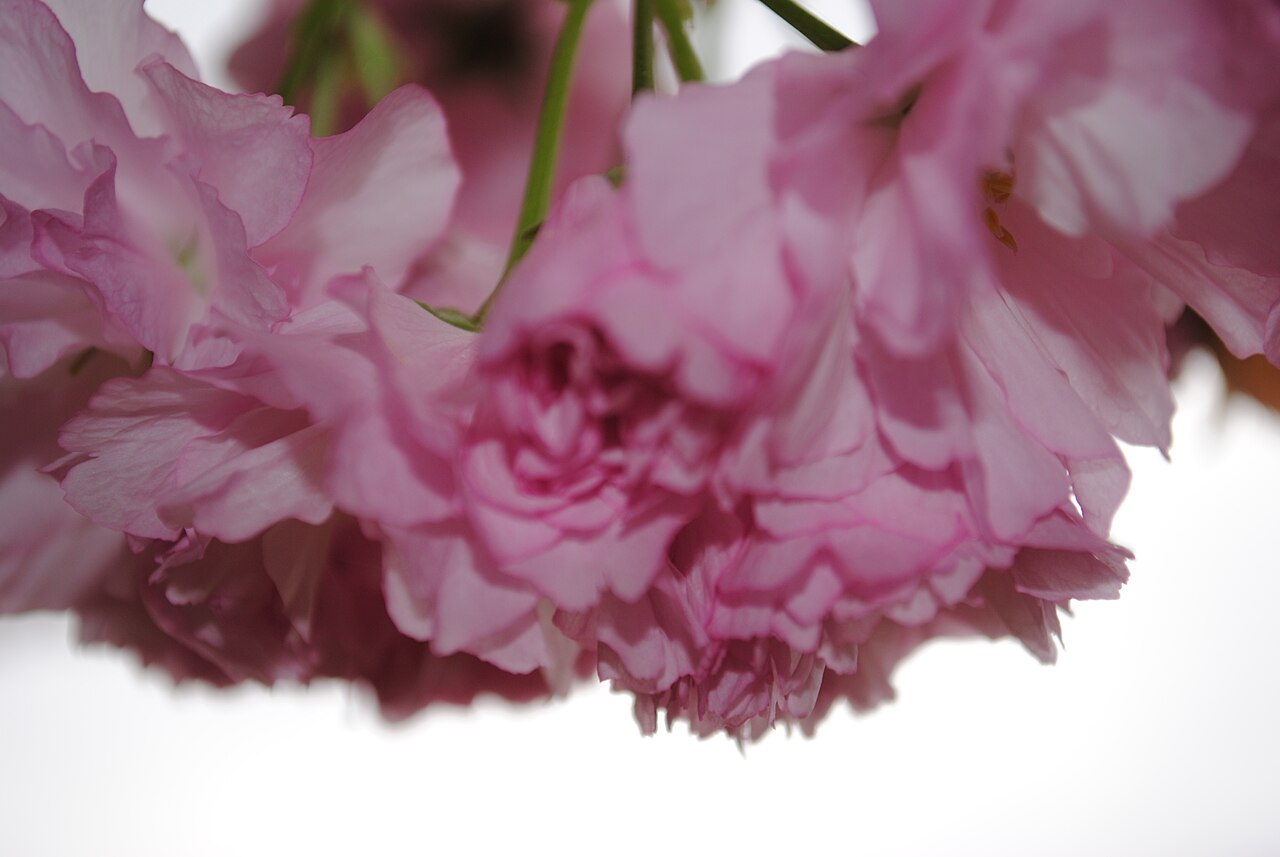
Few things turn heads like a tree in full pink bloom — and the good news is that most of the best ones are small enough for an ordinary yard. I've planted a fair number in my zone 7b clay, chasing a sequence that keeps something pink overhead from the first warm week of spring clear into late summer. The mistake I see most often is people planting three trees that all peak the same ten days in April, then staring at green the rest of the year. The fix is to spread the bloom times deliberately.
Below are twelve pink-blooming trees, ordered roughly from earliest to latest, each with the cultivar I'd actually plant and the mature size you need to plan around.
How we chose
I grew or watched bloom every tree on this list in zone 7b, mostly in clay I've spent years amending. I judged each on the depth and reliability of its pink, how it fits a real residential lot at maturity, and whether it earns its spot the other fifty weeks of the year. Where a tree is short-lived, messy, or prone to a known disease, I say so. Zones, mature sizes, and bloom times below are verified ranges, narrowed by what I've actually seen in the ground.
1. 'Okame' Cherry (Prunus 'Okame')
Zones 5–8 · Full sun · Early-spring bloom, 15–25 ft tall. The earliest cherry I grow, opening rose-pink flowers with dark centers before most trees have stirred — a true jolt of color in late winter's tail. It's smaller and more compact than the famous Kwanzan and Yoshino, which makes it a genuine small-yard tree, and it adds orange-red fall color as a bonus. Mine sails through our humid summers better than the bigger cherries. If you want the season's very first pink, this is where I'd start.
2. Eastern Redbud (Cercis canadensis)
Zones 5–9 · Full sun to part shade · Early-spring bloom, 20–30 ft tall. The native that studs its bare gray branches with tiny rose-pink pea flowers for two to three weeks before the heart-shaped leaves emerge — even along the trunk. It's an understory tree, so it's happy in the part shade where flowering takes more sun-hungry trees down. I plant 'Forest Pansy' for burgundy summer foliage on top of the spring show. Short-lived by oak standards but unbeatable for early color in a small space.