Red Flowers: Lunaire's Field-Tested Picks
Twelve red flowers I've grown in zone 7b clay, with the exact cultivars that hold a true red instead of washing out to pink.
For true, saturated red that doesn't fade to pink in summer sun, the dependable backbone is Crocosmia 'Lucifer', bee balm 'Jacob Cline', cardinal flower, and a red daylily. Most of the picks below are hardy in USDA zones 4–9, want full sun (cardinal flower is the shade-and-moisture exception), and pull in hummingbirds all season. I've grown every one in my zone 7b clay, and these are the reds that held their color and their backbone through July heat and thunderstorms.
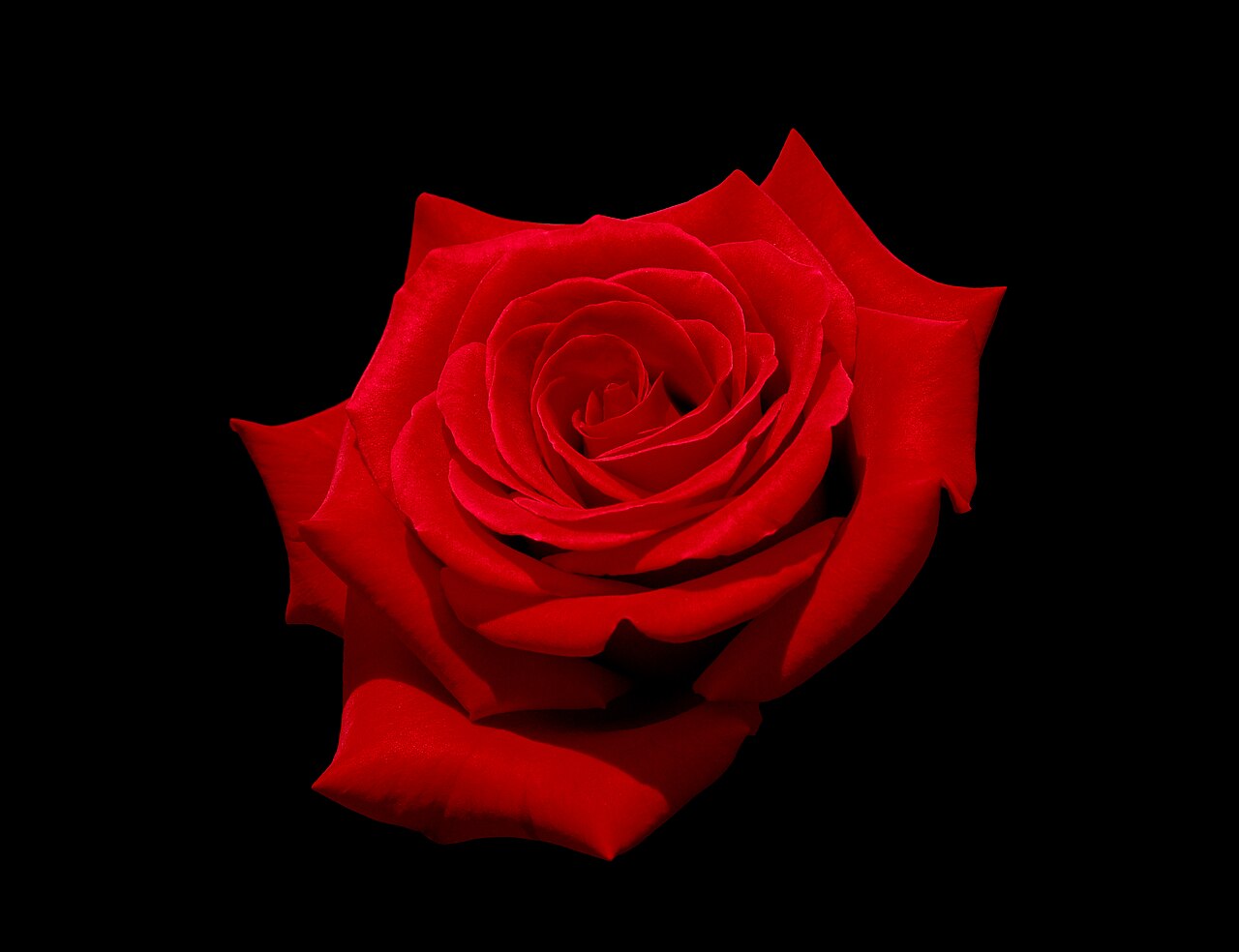
Red is the hardest color to do well. A true red reads as energy and draws the eye straight to it, but a lot of plants sold as red are really coral, scarlet-pink, or a muddy brick that disappoints once it opens. And red fades fastest of any color in our brutal July sun.
Everything here has grown in my zone 7b, clay-heavy beds in full afternoon sun, and I've named the exact cultivar that holds a real red rather than the genus. Several of these are also hummingbird magnets—red and tubular is exactly what they're built to find—so you're getting color and motion both.
How we chose
These aren't catalog reds with the saturation turned up. Every plant went into my own clay-heavy zone 7b garden, and I judged the color in real afternoon light across at least two seasons. Plenty of "red" varieties opened coral or faded to pink by midsummer and got cut. The ones that stayed hold a genuine red—or a clear scarlet I'll name honestly—and earned it through heat, storms, and our humid late summers.
1. Crocosmia 'Lucifer' (Crocosmia)
Zones 5–9 · Full sun · Mid to late summer. 'Lucifer' is the truest, most fiery red I grow, on arching three-foot stems above sword-shaped foliage. Hummingbirds work it daily. It's hardy down to zone 5 (the species generally to 6), takes my clay, and bulks up into a generous clump in a couple of seasons. Plant the corms in spring and give them full sun; in shade they lean and bloom thin.
2. Bee Balm 'Jacob Cline' (Monarda didyma)
Zones 4–9 · Full sun · Midsummer. This is the red bee balm I trust, because 'Jacob Cline' is the most mildew-resistant cultivar I've grown—deep scarlet whorls on four-foot stems that the hummingbirds and bees fight over. Powdery mildew is the real enemy here, so I give it full sun, good air circulation, and don't crowd it. It spreads at the root, so divide it every few years to keep it vigorous.
3. Cardinal Flower (Lobelia cardinalis)
Zones 3–9 · Part shade · Late summer to fall. The most intense lipstick-red native I know, on tall spikes that hummingbirds can't resist. It breaks the full-sun rule: it wants moist, rich soil and part shade, so I plant it in the low, damp corner where other reds would rot. It can be short-lived, but it self-sows if you leave the soil undisturbed and the spent stalks standing. Don't let it dry out.