
Purple Flowers: 12 Garden Picks from Lavender to Eggplant
Pale lavender to nearly black, the purples that hold their color in heat and pair into elegant low-saturation beds.
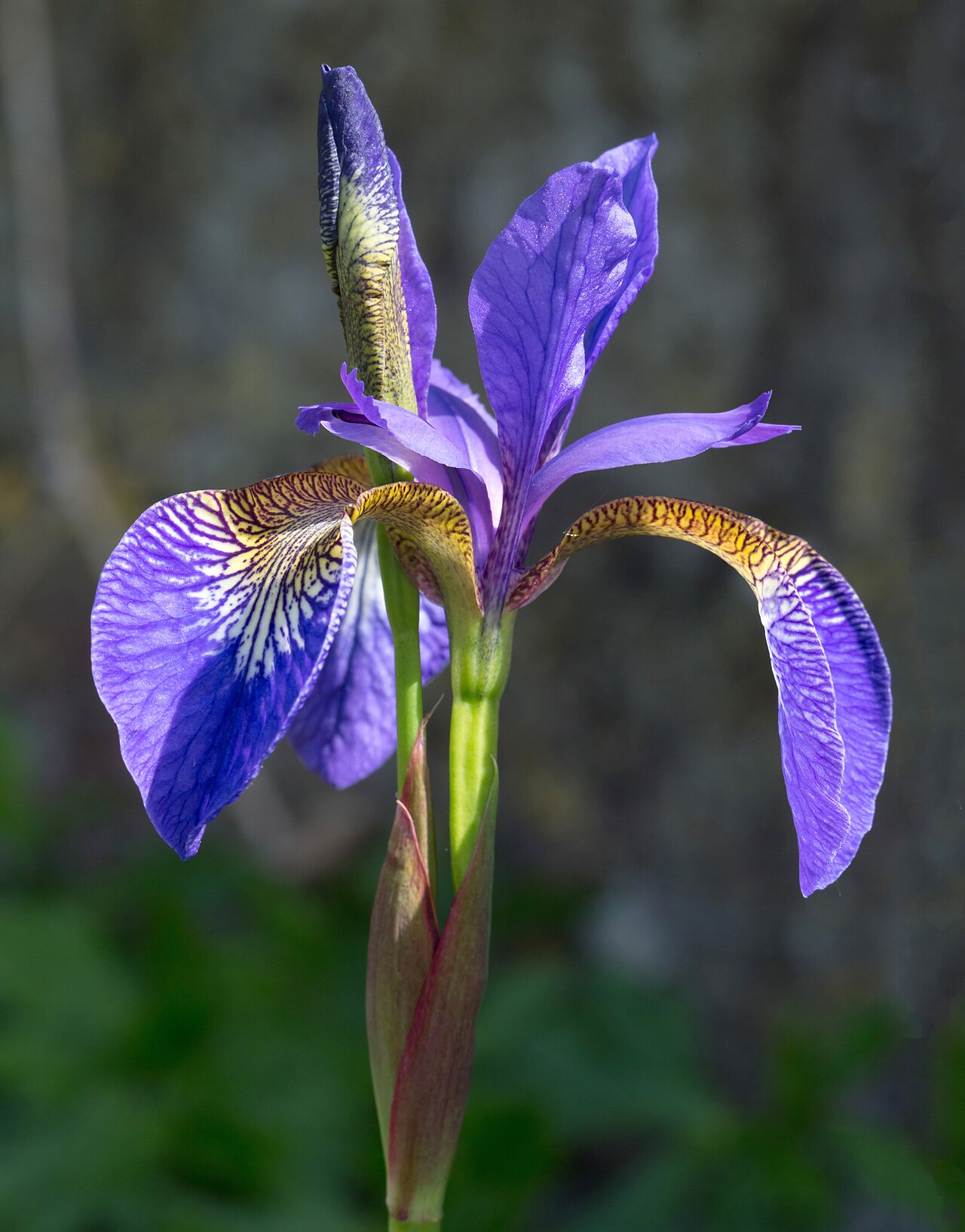
Purple ranges across more shades than any garden category — pale lavender, blue-purple, magenta-purple, and the deep near-black that florists market as black. The picks here hold their color in heat (some purples fade pink) and pair into elegant low-saturation beds when the spectrum is mixed.
How we chose
Same criteria as the pink list: holds color, blooms reliably for home gardeners, earns its space. Every plant on this list has held in my plot for at least two seasons.
1. Lavender 'Hidcote'
Zones 5-9, full sun, summer, 18-24 in. Deep purple flower spikes, the most cold-hardy English lavender.
2. Salvia 'May Night'
Zones 3-9, full sun, late spring-early summer, 18-24 in. Deep purple spike. Cut back hard after first bloom for second flush.
3. Allium 'Globemaster'
Zones 4-8, full sun, late spring-early summer, 30-36 in. 10-inch purple globe atop a tall stem.
4. Iris 'Caesar's Brother' (Siberian)
Zones 3-9, full sun, late spring, 24-36 in. Deep purple Siberian iris, more shade-tolerant than bearded.
5. Clematis 'Jackmanii'
Zones 4-9, full sun head + cool feet, summer, 8-10 ft climbing. The classic deep-purple clematis. Mulch the roots.
6. Lupine 'Russell Hybrids'
Zones 4-8, full sun, early summer, 3-4 ft. Tall purple spires; short-lived perennial — let it reseed.
7. Catmint 'Walker's Low'
Zones 3-8, full sun, late spring-fall, 24 in. Blue-purple haze for weeks, deer-resistant, drought-tolerant.
8. Verbena bonariensis
Zones 7-11 (annual elsewhere), full sun, summer-fall, 3-5 ft. Tall airy purple flower clusters; butterfly magnet.
9. Heliotrope 'Marine'
Annual most zones, full sun, summer, 12-18 in. Deep purple clusters with intense vanilla scent in the evening.
Pair purple with silver foliage (Russian sage, lavender, lamb's ear) for an elegant low-saturation bed; or with yellow (rudbeckia, daylily) for a high-energy complementary palette.