
Purple Flower: Lunaire's Field-Tested Picks
Twelve purple flowers I've grown in zone 7b clay, with the exact cultivars that hold a true purple from spring through fall.
For purple from late spring to frost in most of the country, build around Salvia 'Caradonna', catmint 'Walker's Low', purple coneflower, and Russian sage, with alliums for the early window. Nearly all the picks below are hardy in USDA zones 3–9 (allium and catmint to about zone 8), take full sun, and pull in bees and butterflies all season. I've grown every one in my zone 7b clay, and these are the purples that held their color and didn't flop after a thunderstorm.
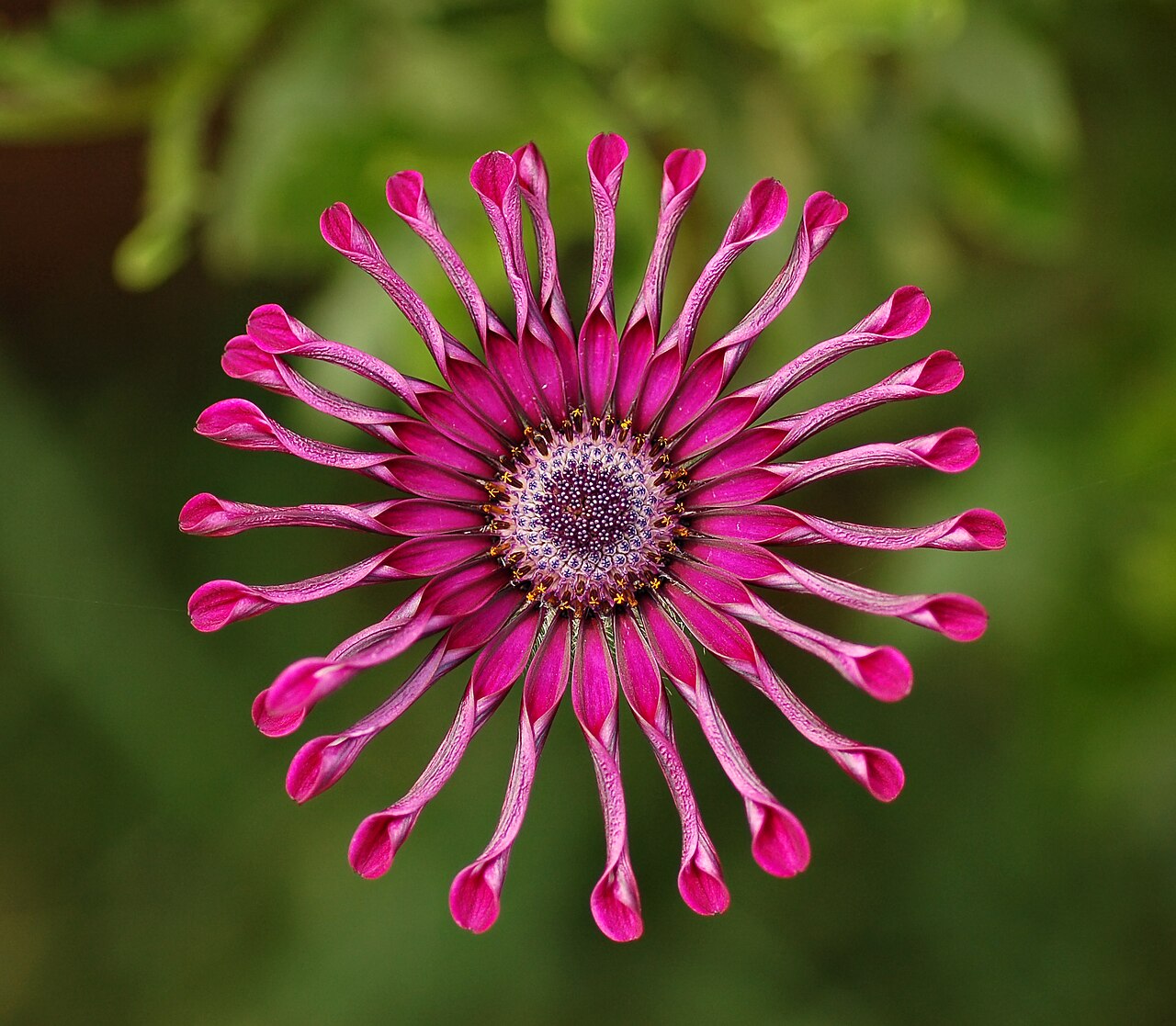
Purple is the color that makes a border look designed. It cools a hot scheme, it bridges between warm colors that would otherwise clash, and the pollinators adore it. The trouble is that "purple" covers everything from true violet to lavender-blue to magenta, and a lot of plants sold as purple lean further blue or pink than you expect once they open.
Everything here has grown in my zone 7b, clay-heavy beds in full afternoon sun, and I've named the exact cultivar I'd plant rather than the genus. I've also been honest about which lean true violet, which read more lavender-blue, and which are the long-bloomers worth building a bed around.
How we chose
These aren't catalog purples chosen off a screen. Every plant went into my own clay-heavy zone 7b garden, and I judged the color in real afternoon light across at least two seasons. A fair number of "purple" varieties opened lavender-blue or shaded magenta and I've said so rather than pretend. The ones that earned a place hold a true purple or a clear violet I'll name honestly, and they carried it through heat, storms, and a Carolina summer.
1. Salvia 'Caradonna' (Salvia nemorosa)
Zones 4–9 · Full sun · Late spring to summer. 'Caradonna' is the purple I build beds around—deep violet-purple flower spikes on near-black stems, upright and tidy, that the bees never leave alone. It's drought-tolerant once established and shrugs off my clay. The trick is to shear it hard after the first flush; do that and it reblooms into fall. It's the most dependable true purple on this list.
2. Catmint 'Walker's Low' (Nepeta)
Zones 3–8 · Full sun · Late spring to early fall. 'Walker's Low' is the benchmark catmint, a billowing mound of lavender-purple flowers over aromatic gray-green foliage that blooms for months on almost zero input. I'll be straight: it reads more lavender-blue than true violet, but for sheer length of bloom and toughness nothing beats it. Shear it back by half mid-season and it refreshes and reblooms. Deer and rabbits skip it.
3. Purple Coneflower (Echinacea purpurea)
Zones 3–9 · Full sun · Early to late summer. The straight species is honestly a rosy-purple-magenta, but it's a native workhorse—drought-tough, clay-tolerant, and covered in butterflies all summer. I grow the species rather than the fancy colored hybrids because it's far longer-lived and self-sows gently. Leave the cones standing into winter and the goldfinches strip them. It's the easiest "purple" daisy you can plant.