
Pink Flower: Lunaire's Field-Tested Picks
Twelve pink flowers I've grown in zone 7b clay, with the exact cultivars that hold their pink from spring through frost.
For pink from late spring to frost in most of the country, build around peony 'Sarah Bernhardt', tall garden phlox 'Bright Eyes', a pink coneflower, and a rebloming pink rose, with creeping phlox for the early window. Nearly all the picks below are hardy in USDA zones 3–9, most take full sun, and many pull in bees and butterflies. I've grown every one in my zone 7b clay, and these are the pinks that held their color and didn't melt or flop in our humid summers.
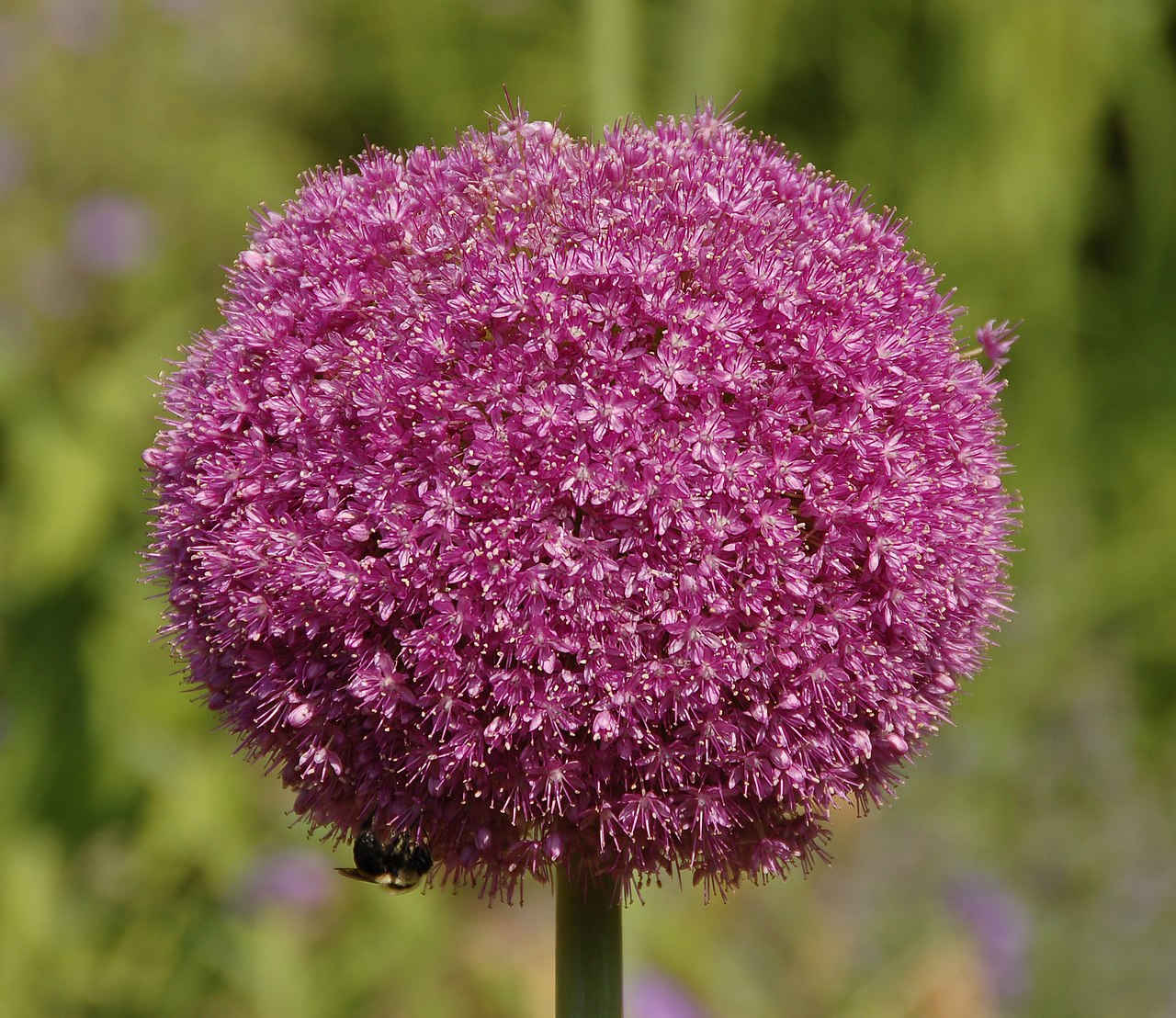
Pink is the most forgiving color in the garden. It ranges from barely-there blush to hot magenta, it softens every other color it touches, and there's a pink for every season and every spot, sun or shade. The only real pitfall is that some pinks fade fast or melt in our humidity, and a few "pink" plants open closer to lavender or coral than you'd want.
Everything here has grown in my zone 7b, clay-heavy beds, and I've named the exact cultivar I'd plant rather than the genus. I've noted which lean soft blush, which run hot magenta, and which are the long-bloomers worth building a season around—so you can match the pink to the mood you're after.
How we chose
These aren't catalog pinks picked off a screen. Every plant went into my own clay-heavy zone 7b garden, and I judged the color and how it held in real summer light across at least two seasons. Some "pink" varieties faded to dirty white by August or opened more coral than I'd been promised, and those got cut. The ones that stayed hold a true pink—soft or hot, and I'll tell you which—and earned it through heat, humidity, and storms.
1. Peony 'Sarah Bernhardt' (Paeonia lactiflora)
Zones 3–8 · Full sun · Late spring to early summer. The pink peony everyone means when they say peony—'Sarah Bernhardt' opens enormous, fragrant, soft rose-pink double blooms on a long-lived plant that will outlast me in this garden. Plant the roots shallow, with the eyes only an inch or two below the surface; deeper and they sulk and won't bloom in my clay. Give them full sun and a support hoop, because the big heads flop after rain.
2. Tall Garden Phlox 'Bright Eyes' (Phlox paniculata)
Zones 4–8 · Full sun to part shade · Mid to late summer. 'Bright Eyes' is the soft-pink phlox with a crimson eye that I plant for fragrant high-summer color the daisies can't match. Powdery mildew is the real risk in our humidity, so I give it full sun, good air movement, and elbow room. It feeds butterflies for weeks and takes my clay. Deadhead the spent trusses to keep it blooming and to stop it seeding around to a muddier pink.
3. Coneflower (Echinacea purpurea)
Zones 3–9 · Full sun · Early to late summer