
Bluebell Flower: Lunaire's Field-Tested Picks
True bluebells and the blue spring bulbs I plant with them — which one is native, which one spreads, and which is safe around pets.
"Bluebell" covers three different plants: English bluebell (Hyacinthoides non-scripta), the larger, more upright Spanish bluebell (Hyacinthoides hispanica), and the unrelated North American native Virginia bluebell (Mertensia virginica). All are spring bloomers for part to full shade, roughly zones 3–8. Both Hyacinthoides are toxic to people, dogs, horses and cattle; Virginia bluebell is the native, non-toxic choice. Below are those three plus the blue spring bulbs I actually plant alongside them.
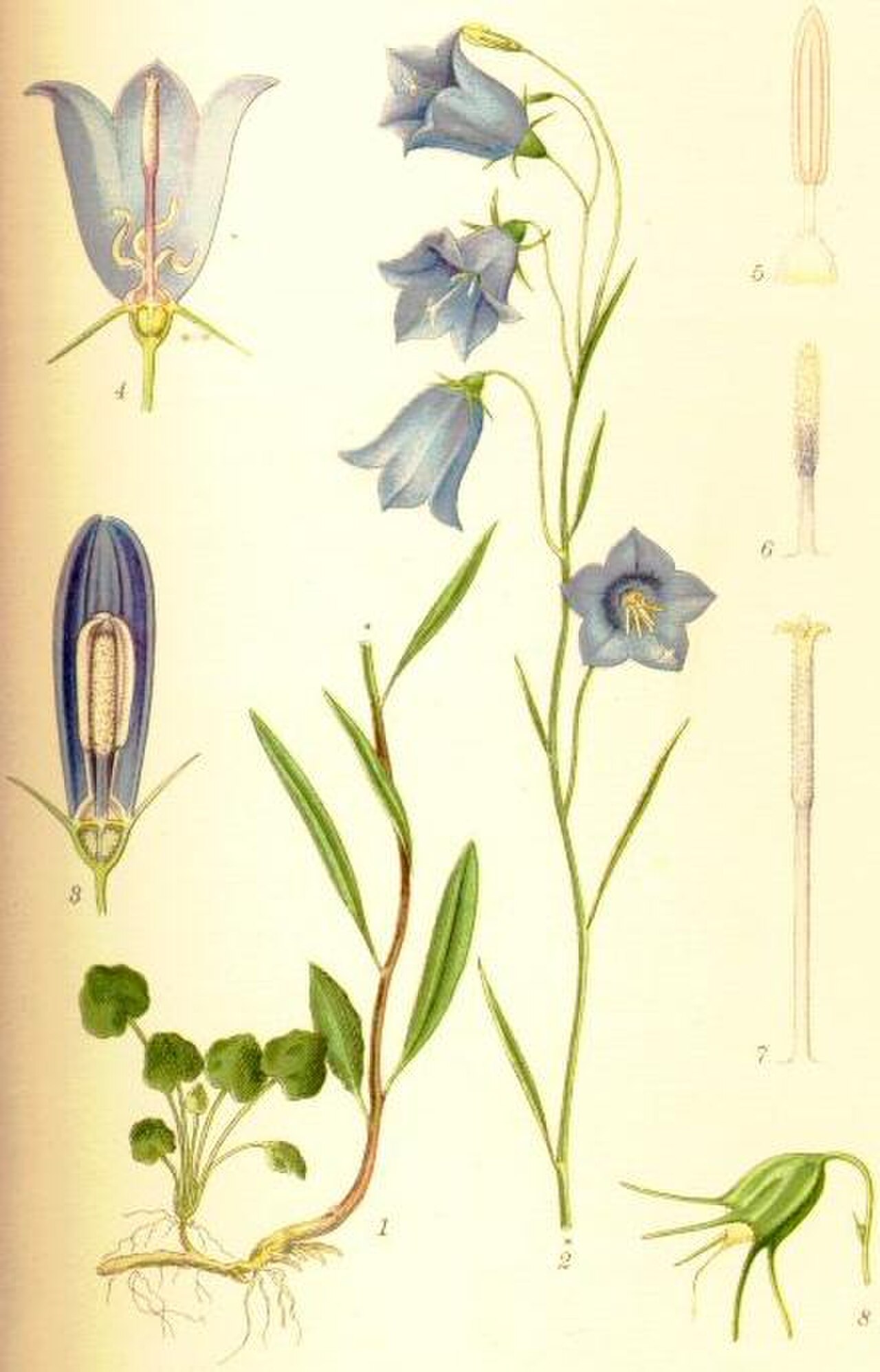
When someone in my zone 7b garden asks for "bluebells," I always ask which one they mean — because the answer changes everything about where it goes and whether it's safe. The two true bluebells in the genus Hyacinthoides are European bulbs that carpet shade and contain poisonous glycosides. Virginia bluebell is a completely different, native woodland wildflower that's edible and beloved by early pollinators. This list sorts the real bluebells out, then adds the blue, bell- and star-shaped spring bulbs I pair with them for a longer show under deciduous trees.
How we chose
Toxicity and native status here are cross-checked against extension and botanic-garden sources (NC State, Kew, university toolboxes), not garden-center copy, because pet and child safety has to be right. Zones and bloom timing reflect what I've watched in clay-over-shade beds, where most of these bulbs naturalize. Where a plant spreads aggressively — and a couple genuinely do — I flag it plainly so you don't plant a problem.
1. English Bluebell (Hyacinthoides non-scripta)
Zones 4–9 · Part to full shade · Deep violet-blue, drooping, mid-spring, 12–18 in
The bluebell of British woodlands — narrow flowers nodding to one side of an arching stem, deep violet-blue, and genuinely sweet-scented, which the Spanish one is not. It naturalizes into drifts under deciduous trees and is the most graceful of the lot. Note clearly: all parts contain toxic glycosides poisonous to people, dogs, horses and cattle, and the sap can cause contact dermatitis. Lovely, but not the one for a yard with grazing animals or curious toddlers.
2. Spanish Bluebell (Hyacinthoides hispanica)
Zones 3–8 · Part to full shade · Blue, pink or white, upright, mid-late spring, 12–16 in
Bigger, sturdier and more upright than the English bluebell, with flowers all around the stem and a color range from blue to pink to white — but no fragrance. It's the toughest, easiest bluebell and the one most often sold, which is also the warning: it naturalizes vigorously and can crowd shadier corners, so give it a spot where spreading is welcome. Same toxicity as its English cousin — poisonous to humans, dogs, horses and cattle. I site it where it can colonize a rough bank rather than a tidy border.