
Blue Flower: Lunaire's Field-Tested Picks
Genuinely blue flowers — not the lavender impostors — that I've grown or chased down, sorted by sun and shade with the cultivar names that actually deliver true blue.
True blue is rare — fewer than 10% of flowering plants make it — so cultivar choice matters more here than almost anywhere else in the garden. For sun, plant delphinium, 'Victoria Blue' salvia, 'Blue Boy' cornflower, and 'Heavenly Blue' morning glory. For shade, brunnera and forget-me-nots. Below are the dozen blues I'd actually plant, each with the named selection that reads blue rather than purple.
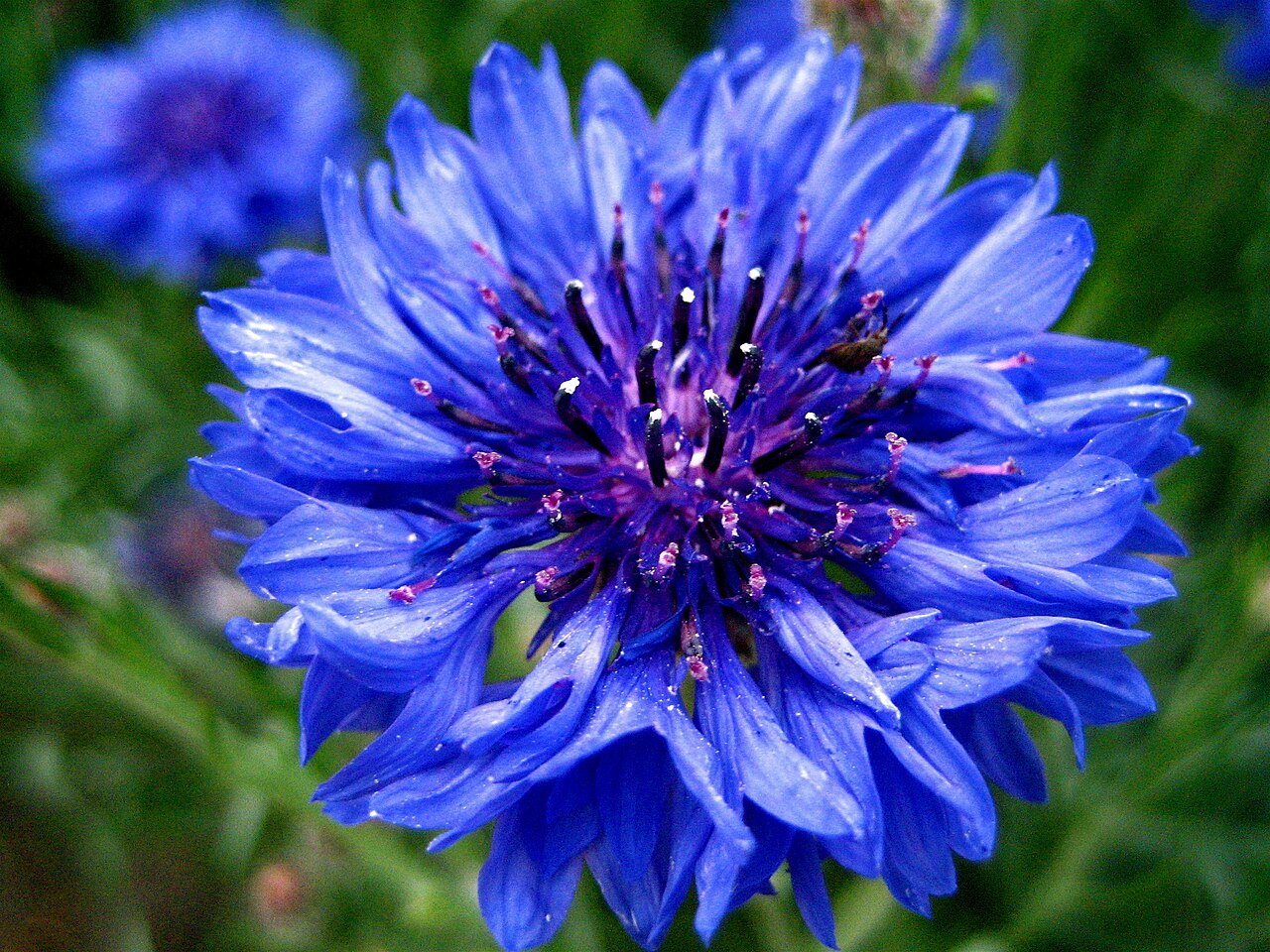
Blue is the color gardeners chase hardest and find least. Most so-called blue flowers are really violet or lavender once they open — the eye wants to call them blue, but the camera tells the truth. Genuine blue is uncommon because the pigment chemistry behind it is fussy, which is exactly why a true-blue drift stops people on the path. I've spent years sorting the real blues from the wishful ones in my zone 7b beds, and these are the ones that hold up.
The catch is that within a single species, one cultivar reads sky-blue and the next reads purple, so I name the selection every time. I've also split them by light, because the sun blues (delphinium, salvia, morning glory) and the shade blues (brunnera, forget-me-not) ask for completely different spots. Plant the right blue in the right light and you'll finally get that color you've been after.
How we chose
My one hard rule for this list: it has to read genuinely blue, not lavender or periwinkle dressed up by a marketing photo. Where a species comes in a range of colors, I name the specific true-blue cultivar — 'Blue Boy' cornflower, 'Heavenly Blue' morning glory, 'Victoria Blue' salvia — because picking the wrong one is how you end up with a purple bed. Zones and bloom seasons are checked against horticultural sources, and I note which blues are perennial versus annual in my climate so you know what comes back.
1. Delphinium (Delphinium elatum)
Zones 3–8 · Full sun · Early-to-mid summer, 4–6 ft spikes
The towering blue of the classic English border, with dense spikes that run from pale sky to deep navy. The 'Pacific Giant' and 'Blue Bird' selections give you the clearest blues. It wants full sun, rich soil, and staking — those spikes snap in summer storms. Cool-summer gardens grow it best; in heat it's often short-lived, so I treat it almost as a luxury annual. All parts are toxic if eaten.
2. Brunnera (Brunnera macrophylla 'Jack Frost')
Zones 3–8 · Part to full shade · Spring sprays of baby-blue
Sometimes called false forget-me-not, this is my favorite shade blue. In spring it throws airy sprays of tiny true-blue flowers, and 'Jack Frost' carries silver-frosted heart-shaped leaves the rest of the season, so it earns its place long after the blooms fade. It wants moist, well-drained soil and shade — a dependable, deer-resistant anchor for a woodland edge.