
Strawberry: The Backyard Berry That Earns Every Square Foot
June-bearing, everbearing, or day-neutral — pick the right type for your zone and harvest cadence, and a 4×8 bed pays you back from May through October.
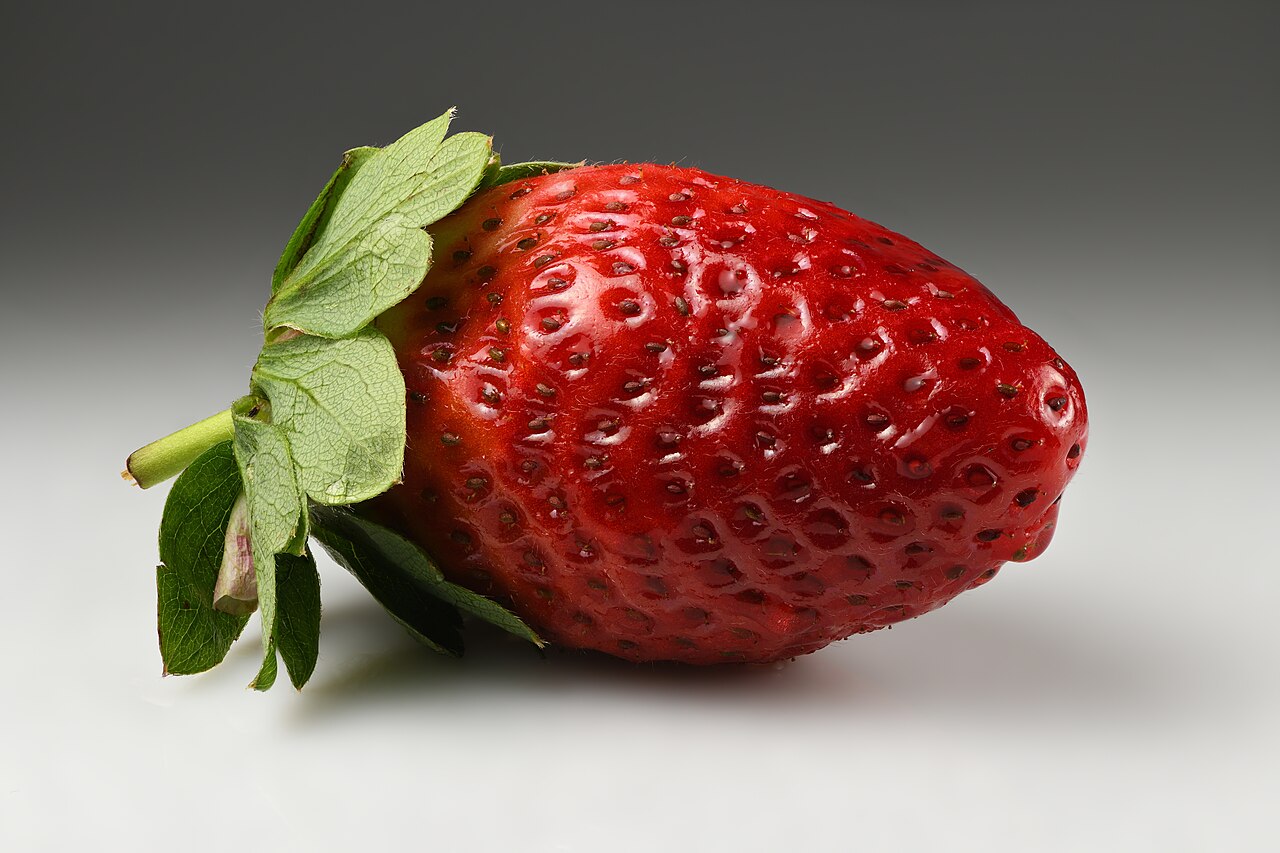
Strawberries are the first thing I plant when someone tells me they want a kitchen garden but only have a bed. A 4×8 strawberry bed yields enough fruit through summer that you stop buying flats at the grocery — and they spread on their own. The trick is picking the right type for how you want to eat them.
There are three: June-bearing (one heavy three-week crop, best for jam), everbearing (two crops — spring and fall), and day-neutral (steady fruit May through October). For most home plots I recommend day-neutrals — 'Albion' and 'Seascape' are the cultivars I would buy again.
Care guide
Care guide
Plant in spring as soon as the ground works. Set the crown — the woody point where leaves meet roots — at soil level: bury the crown and it rots, expose the roots and it dries. This single planting decision matters more than soil pH, mulch, or fertilizer.
Water + mulch
1 inch per week, mulched heavily with clean straw (hence the name) to keep berries off the soil. Drip irrigation is worth it — overhead water in fruit-set season invites botrytis.
Runners
For June-bearing matted-row plantings, let runners fill in. For day-neutrals in a 4×8 bed, snip runners through year one — the energy goes to fruit, not babies.
Propagation
Propagation
Strawberries propagate themselves through runners. Pin a daughter plant into soil while still attached to the mother in late summer; cut the runner once roots set. Replace the whole bed every 3–4 years — yield falls off cliff-style after year 3.
Troubleshooting
Troubleshooting
Small fruit usually means too many runners stealing energy or planting too deep. Birds beat you to ripe fruit — drape lightweight bird netting over hoops two weeks before harvest. Slugs at fruit-set: shallow beer traps work; iron-phosphate baits are the organic alternative.