
Lily of the Valley: The Fragrant Groundcover That Spreads in Shade
Pure white bells in May, a perfume that travels twenty feet, and a habit that will eat any shady patch you plant it in — for better and for worse.
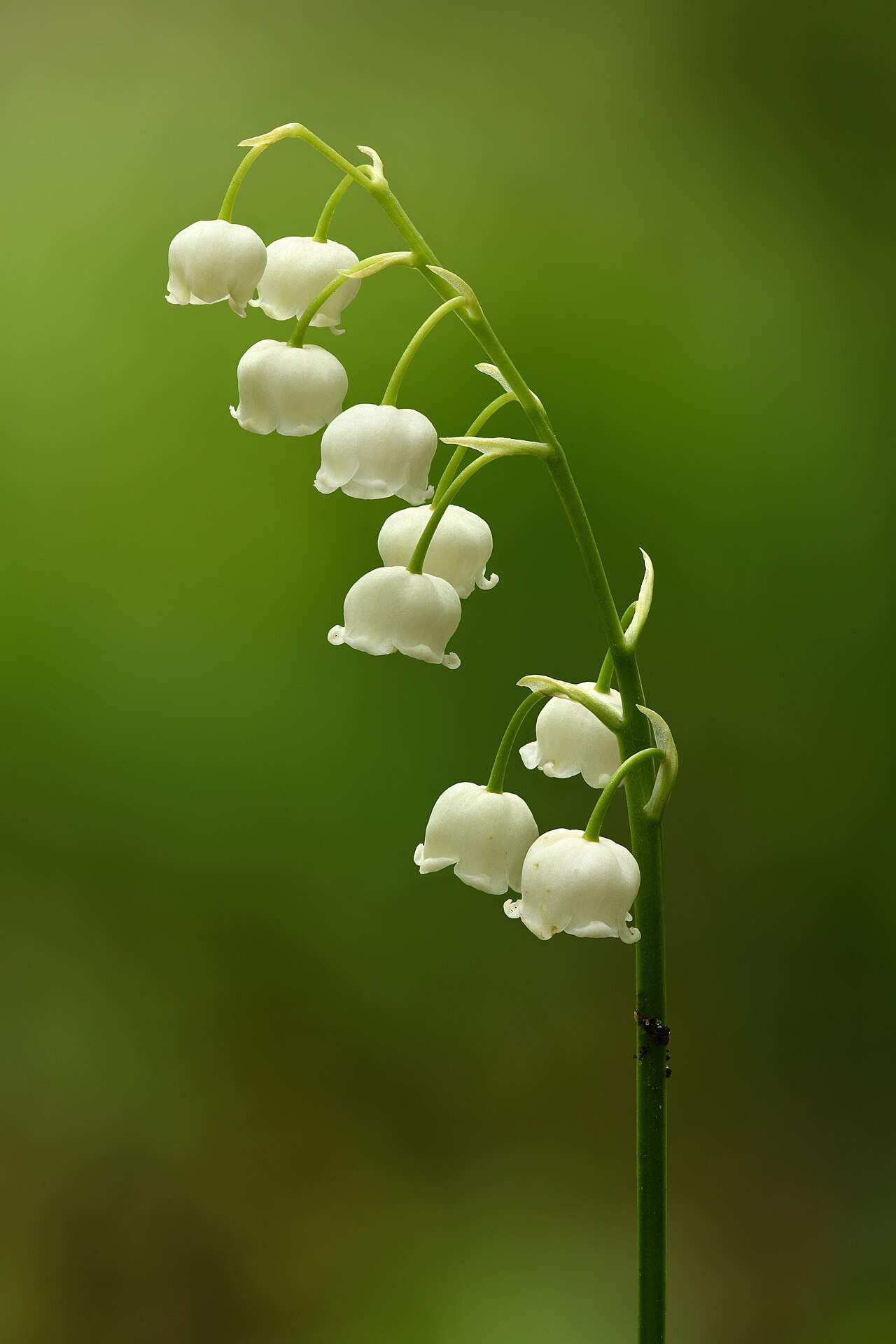
Lily of the valley is the plant I recommend for the shady spot under a north-facing fence where nothing else will hold. The flowers are small, white, and bell-shaped — but the fragrance can cross a yard. It is also one of the toxic plants I keep furthest from the kitchen garden: every part is poisonous if eaten.
It spreads by underground rhizomes called pips. Plant five and in three years you have a colony. In ten you have a mat. This is a feature when the space is enclosed; it is a problem when it isn't.
Part to full shade. Once established, it tolerates dry shade — the toughest condition in most gardens. Plant pips in fall, 1–2 inches deep, 4–6 inches apart, in soil amended with leaf mold. Water through the first season; thereafter mostly forget it.
Lift and divide pips in fall after foliage yellows. A trowel-sized clump becomes 20–30 pips. Replant 4 inches apart for thick cover; further apart if you want a slower fill.
The honest warning: lily of the valley is invasive in much of the eastern US. Plant inside a buried metal-edge border at least 8 inches deep, or in a contained bed. If it escapes into a lawn, repeated mowing weakens but rarely eliminates it — assume permanence and plan accordingly.