
Hosta Plant
The shade perennial I lean on hardest in my zone 7b clay — broad, dependable foliage that fills the dim corners nothing else will.
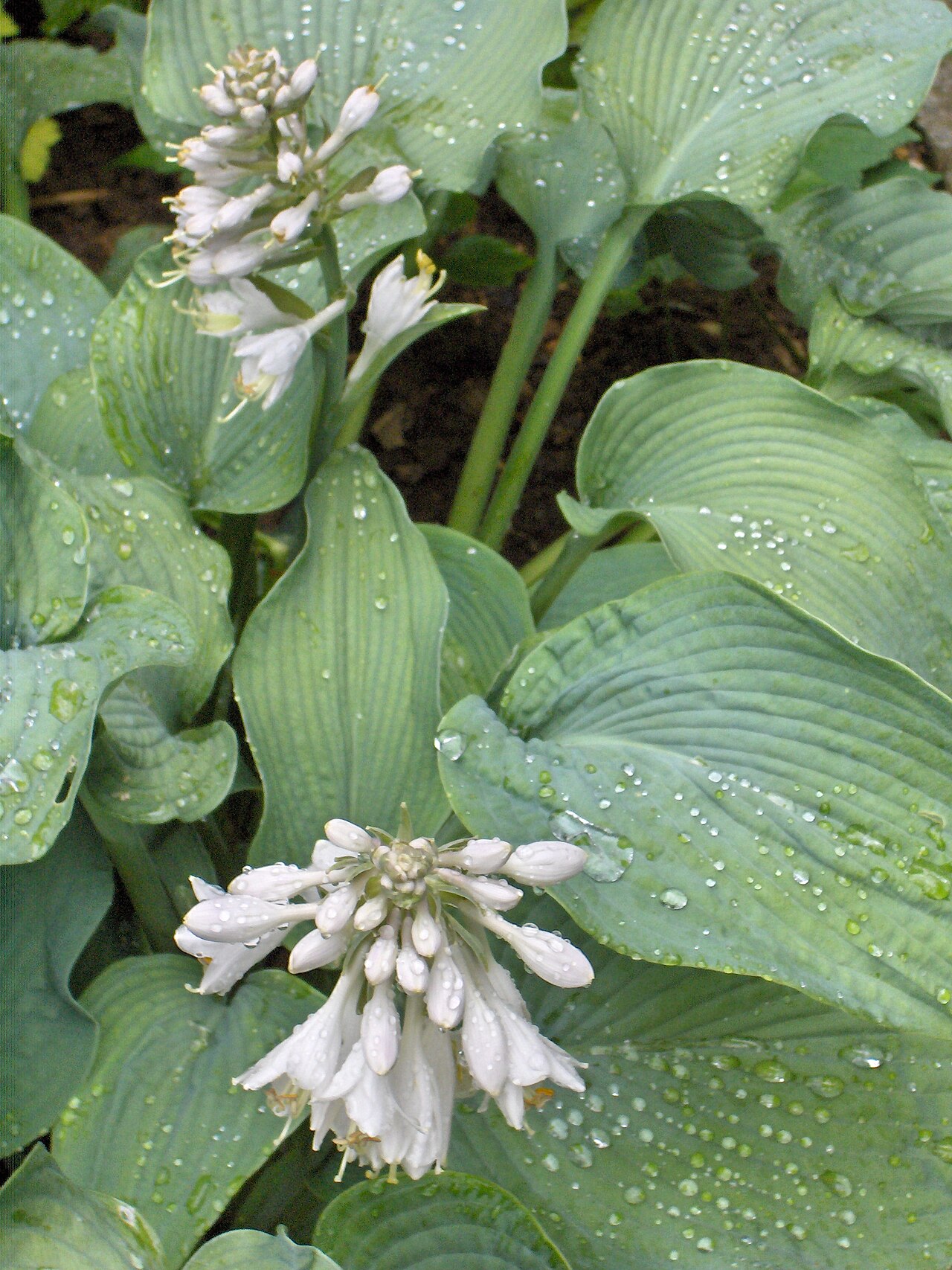
If you garden in shade, you eventually make peace with the hosta. I run my beds in zone 7b on heavy clay with a north-facing run along the house that gets maybe two hours of weak morning sun, and Hosta is the one thing that has never once sulked there. It is grown for the leaf, not the bloom — mounds of ribbed, sometimes puckered foliage in blues, golds, chartreuse, and every variegated combination the breeders could register.
Hostas are reliably hardy across USDA zones 3 through 9, which is most of the country, and they are genuinely cold-tough — they want a winter chill and die back cleanly to the crown each fall. The genus is native to Japan, China, and Korea, not North America, so I treat it as a well-behaved ornamental rather than an ecological workhorse. There are well over 6,000 registered cultivars, which sounds absurd until you start collecting them.
Size is the thing to get right before you buy. A 'Mouse Ears' stays a teacup-sized clump; Hosta 'Empress Wu' or 'Sum and Substance' will spread to four or five feet across and swallow whatever you planted next to it. I keep the giants at the back of a bed and the minis where I can actually see them.
Care guide
Growing Hostas: Light, Water, Soil, and Feeding
Light is where most people go wrong. Hostas are shade-to-part-shade plants, and the rule shifts with your zone. In zone 7 and warmer — my territory — any direct afternoon sun scorches the foliage, especially thin-leaved or white-variegated types. Blue cultivars in particular hold their waxy color only out of hot sun. The golds and chartreuses tolerate (and even want) a bit of morning sun to bring up their color; the blues and whites I keep in genuine shade.
They are not drought-tolerant. Hostas want consistent moisture all season, which on my clay is actually an advantage — clay holds water and the hostas drink it. On sandy soil you will be watering more than you expect. An inch a week is the floor in summer; in a heat wave I check the big-leaved ones every couple of days because they flag fast when thirsty.
Soil should be rich and moisture-retentive with decent drainage — they rot in standing water but want never to dry out. I dig in a couple inches of compost at planting and topdress with more each spring. That compost is most of my feeding program; if a clump looks tired I add a balanced organic granular fertilizer in early spring as the eyes push up, and nothing after midsummer.
Maintenance is minimal. Cut the flower scapes after bloom if you grow yours for foliage (most do — the lavender or white summer flowers are pleasant but secondary), and cut all foliage to the ground after the first hard frost blackens it. Removing that spent foliage in fall also removes a lot of overwintering slug eggs, which matters more than the tidiness.
Propagation
How to Propagate Hostas by Division
Division is the only practical way to multiply a named cultivar — seed does not come true, and most garden hostas are sterile or wildly variable from seed anyway. The good news is that division is foolproof and a clump tells you when it is ready: when the center thins or the mound has outgrown its spot, it is time.
Divide in early spring as the pointed shoots (eyes) just break the soil, or in early fall at least four to six weeks before your first hard frost so roots settle in.
Dig the whole clump with a spade, lifting as much root as you can. On my clay I water the day before so it comes up in one rootball rather than fighting me.
Split the crown into sections, each with at least two or three eyes and a fist of roots. A sharp spade through a big clump, or two garden forks back-to-back, does it; a knife works for smaller ones.
Replant at the same depth, with the crown level with the soil surface, water in well, and keep evenly moist until new growth tells you it has rooted.
A spring-divided clump usually shrugs it off and looks full by midsummer. Fall divisions sometimes sit quietly until the following year — that is normal, not failure.
Troubleshooting
Common Hosta Problems and Organic Fixes
Slugs and snails are the headline pest, and on damp clay in shade they are inevitable. Ragged holes chewed between the leaf veins, worst on thin-leaved cultivars, are the signature. I have had the best results going thick-leaved: the heavily substanced blues like 'Halcyon' and 'Blue Angel' are far less appetizing than the tender chartreuse types. Beyond cultivar choice, I hand-pick at night with a flashlight after rain, set out shallow saucers of beer as traps, and ring vulnerable plants with crushed eggshell or diatomaceous earth — reapplying the DE after every rain, since it stops working wet.
Deer are the other reliable problem; they treat hostas as a salad bar and will mow a bed overnight. If you have deer pressure, no spray fully solves it — physical fencing or rotating repellents is the honest answer, and I will not pretend a sprinkle of something keeps a hungry herd off.
Crown rot or root rot: caused by soggy, poorly drained spots. Improve drainage and never plant in standing water; on clay, plant slightly high.
Scorched, bleached, or brown leaf edges: too much sun for the cultivar. Move blue and white-variegated types into deeper shade.
Foliar nematodes: brown stripes between the veins in late summer. Remove and destroy affected leaves; do not compost them.