
Palm Tree
Most palms are tropical, but a handful are genuinely cold-hardy enough to overwinter in the ground as far north as zone 7 — here's what actually survives my clay.
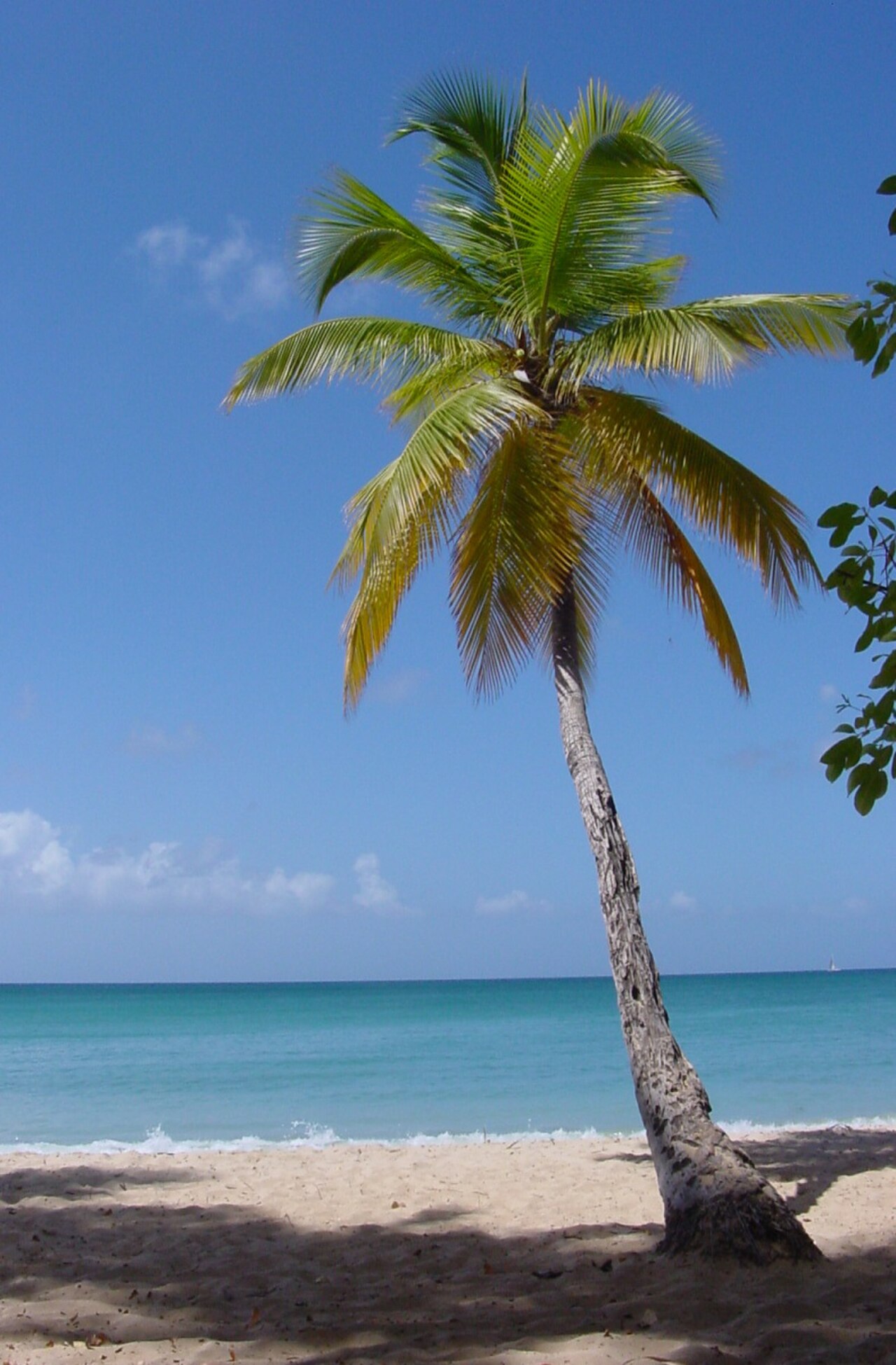
"Can I grow a palm here?" is the question I get most from people who've just come back from somewhere warm. The honest answer for those of us in zone 7b clay is: yes, but not the one on the postcard. The palm family — Arecaceae — runs to well over 2,000 species, and the vast majority want zone 10 or 11. A small, stubborn handful are cold-hardy enough to overwinter in the ground much farther north, and those are the ones worth your money.
The one I'd actually plant outdoors in zone 7 is the windmill palm, Trachycarpus fortunei. It's hardy to roughly 5°F and reliable in zones 7–10, with a fibrous, hairy trunk and stiff fan leaves that shrug off a light snow. For colder gardens, the needle palm, Rhapidophyllum hystrix, is the hardiest palm there is — a shrubby, trunkless fan palm that survives down into zone 6 with shelter. The European fan palm, Chamaerops humilis, holds to about 10°F and suits a warm zone 8 corner.
Why grow one
A single hardy palm changes the whole register of a border. Mine sits where the afternoon sun hits a south wall, and in July it reads as pure holiday. They're slow — a windmill palm puts on only inches of trunk a year — so you're buying a long-term anchor, not a quick fill. If you're in zone 9 or warmer you have far more latitude: queen palms, pindo palms, and the rest. North of that, treat the species list above as the whole menu and plant against a heat-holding wall.
Care guide
How to care for a palm tree
Light is the easy part: hardy palms want full sun, six hours or more, and in cold zones a south- or west-facing position against a wall buys you a few critical degrees of overnight warmth. Mine wouldn't have made its first winter in the open lawn.
Soil and water
Drainage is everything. Palms tolerate clay if it drains, but a palm sitting in cold, wet soil over winter will rot at the crown faster than the cold will kill it. I plant on a slight mound and work in grit and compost. Water a new palm deeply through its first two summers; once established it's fairly drought-tolerant and wants only moderate, even moisture.
Feeding and pruning
Feed in spring with a balanced organic palm fertilizer — palms are prone to magnesium and potassium deficiency, which shows as yellowing on older fronds. I top-dress with compost and a granular organic feed once growth starts. For pruning, take only fully brown, dead fronds. Cutting green leaves to "tidy" the trunk weakens the plant; the palm pulls nutrients back out of a fading frond before it lets go.
Overwintering in cold zones
Propagation
How to propagate a palm
Palms don't root from cuttings — a palm has a single growing point, so there's no node to take. You propagate true palms from seed, and clumping species like the needle palm from division. Seed is slow but reliable if you're patient.
Collect ripe fruit and clean all the pulp off the seed — leftover flesh inhibits germination and invites mold.
Soak the seeds in warm water for a few days, changing the water daily, to soften the coat.
Sow in a gritty, free-draining mix, barely covered, and keep it warm — 75–85°F bottom heat speeds things up considerably.
Be patient. Hardy palm seed can take one to three months, sometimes longer, to germinate. Keep it consistently moist, never waterlogged.
For needle palm, lift an established clump in spring and separate rooted offsets from the edge with a clean spade; pot them on before planting out.
Troubleshooting
Common problems and organic fixes
The two things that actually kill hardy palms in our climate are cold and wet roots — usually together. Brown, mushy growth at the crown after winter means the growing point rotted. There's no fix once it's gone; the prevention is sharp drainage and crown protection.
Yellowing older fronds: usually magnesium or potassium deficiency. Apply an organic palm-specific feed and a top-dress of compost in spring rather than a quick nitrogen hit.
Browning frond tips: often cold burn or dry winter wind. Cosmetic, not fatal — leave the frond until it's fully brown, then remove it.
Scale or spider mites, more common on indoor and tender palms: wipe the fronds and treat with insecticidal soap or a horticultural oil, repeating weekly until clear.
No growth in spring: hardy palms are simply slow. As long as the spear leaf at the center is firm and green, the plant is alive — give it time and warmth.
If you're choosing where to put one, treat it the way you'd treat any heat-lover in clay: build the drainage first. The same mound-and-grit approach I use for topsoil-heavy beds is exactly what keeps a palm's roots alive through a wet zone-7 winter.