
Eucalyptus Plant
That silvery, menthol-scented foliage is fast and easy to grow — but eucalyptus is genuinely toxic to pets and people, so plant it knowing what it is.
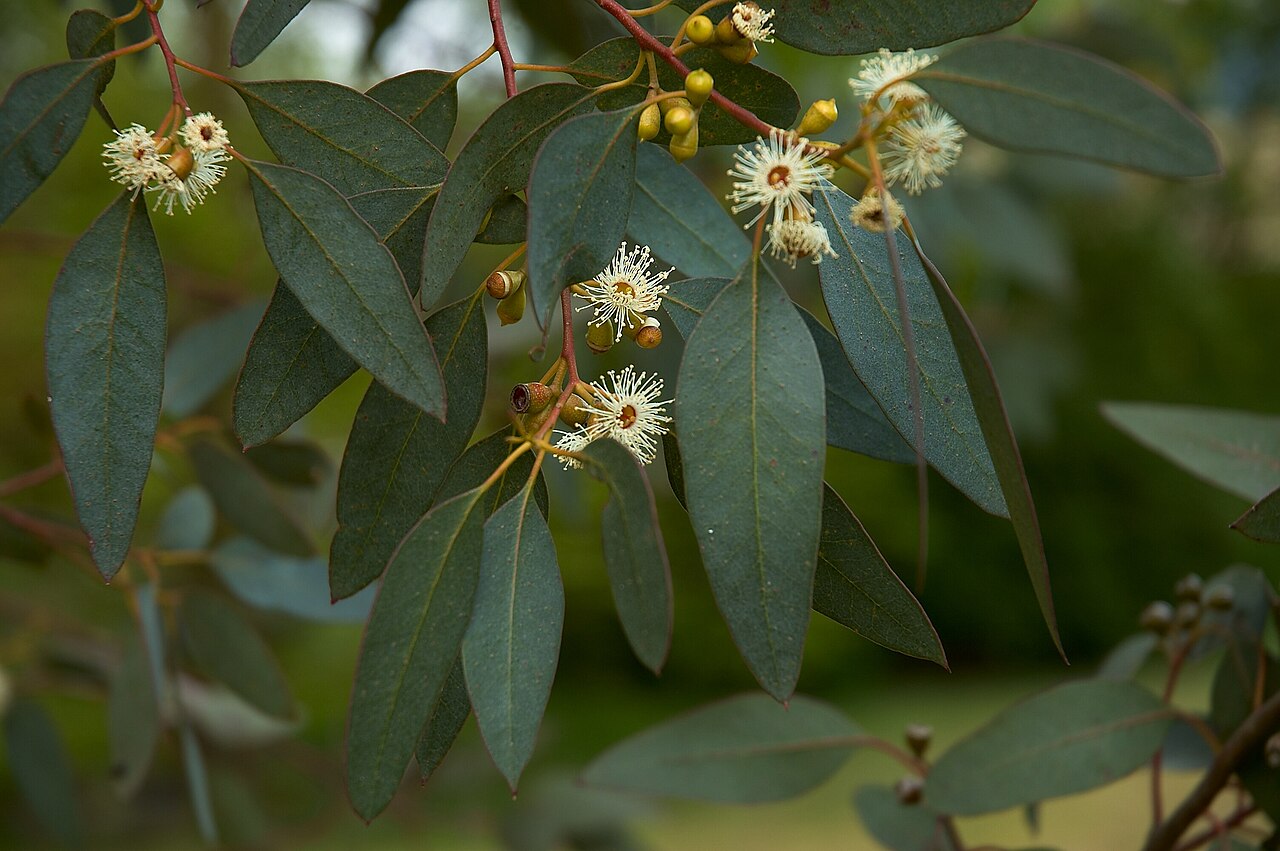
Eucalyptus is the plant people fall for at the foliage end of the garden — that blue-silver, coin-shaped leaf and the clean menthol smell when you crush it. The good news: it's fast and forgiving. The honest news comes a little further down.
The hardiest commonly grown species is Eucalyptus gunnii, the cider gum, native to Tasmania and hardy to roughly USDA zones 7–10. In a warm zone it's a fast tree to 30–40 ft; in colder gardens most people grow it cut hard each spring as a 6–8 ft silver-leaved shrub for the foliage.
An honest word on toxicity
Eucalyptus is toxic to cats, dogs, and horses, and to people if eaten. The essential oil eucalyptol is the culprit — ingestion causes drooling, vomiting, diarrhea, and weakness in pets, and the oil is hazardous to humans too. The ASPCA lists it as toxic to all three common pets. I love the foliage, but I won't pretend it's a child-and-cat-safe plant. Site it accordingly.
With that understood: for sheer drought-tolerant, fast silver foliage in a sunny spot, little else competes.
The foliage is the whole point, and it changes as the plant ages. Juvenile growth — the rounded, stem-clasping "silver dollar" leaves florists buy by the armful — gives way to longer, sickle-shaped adult leaves on a mature tree. Because the juvenile foliage is the prized form, growers deliberately keep plants young and hard-pruned to hold them in that phase. That single fact explains most of how eucalyptus is grown ornamentally: cut it back, keep it juvenile, harvest the silver.
If E. gunnii is the cold-hardy workhorse, Eucalyptus cinerea — the true silver dollar gum — is the one grown most often purely for cut foliage, frequently as a fast annual shrub that reaches 6–8 ft in a single season in colder zones. Pick gunnii if you want a tree that may overwinter; pick cinerea if you mainly want stems to cut.
Care guide
Caring for eucalyptus
Light. Full sun, full stop. Eucalyptus sulks and stretches in shade.
Water & soil. Once established it's markedly drought-tolerant and wants sharp drainage above all. Water young plants their first season to settle them, then back off. It actively dislikes heavy, wet soil — in my clay I plant it high, on a mound with grit worked in.
Feeding. Minimal. It's adapted to lean Australian soils; over-feeding gives soft, floppy, cold-tender growth. A light spring compost mulch is enough.
Coppicing for foliage. This is the trick worth knowing: cut the plant hard — almost to the ground — in early spring, and it throws up vigorous stems of the rounded, juvenile silver-dollar foliage florists prize. It also keeps a half-hardy eucalyptus to a manageable shrub size.
Overwintering. In zones 7–8, mulch the root zone heavily and shelter it from cold, drying wind. In colder zones, grow it as a cut-back annual or in a pot you can move under cover.
Propagation
Propagating eucalyptus
Seed is the standard route — eucalyptus is one of the easier trees to raise from seed, though cuttings are notoriously stubborn.
Seed germinates readily: surface-sow on a fine, free-draining mix in late winter, keep warm and bright, and don't bury it. Some species benefit from a short cold spell first. Grow on in deep pots — eucalyptus resents root disturbance.
Cuttings are difficult and root unreliably; most growers don't bother. If you try, take semi-ripe tips, use hormone, and keep them warm and humid — but expect losses.
Plant out young. Small, fast-establishing plants settle far better than older root-bound ones, which often blow over.
Troubleshooting
Common eucalyptus problems
Eucalyptus has few pests in most gardens; the real risks are cold, wet soil, and the plant getting away from you in size.
Winter dieback — the commonest problem in zones 7–8. Cold, drying winds and wet roots do more damage than cold alone. Shelter, plant in sharp drainage, and don't be afraid to cut frosted growth back hard in spring — it usually reshoots from the base.
Root rot — from heavy, soggy soil. Plant high, add grit, never overwater.
Blowing over — fast top growth on a young root system. Plant small, stake only if needed, and skip the high-nitrogen feed that makes it leggy.
Eucalyptus is largely pest-free in US gardens — its oils deter most insects, which is part of the appeal.
Plant it high and dry, cut it hard in spring, and keep it well away from pets — eucalyptus rewards exactly that combination.