
Elderberry: The Native Berry That Feeds Both Birds and People
A fast, forgiving native shrub for clay-heavy ground — heavy flower clusters in June, dark fruit by September, and a place in the hedgerow that earns its keep.
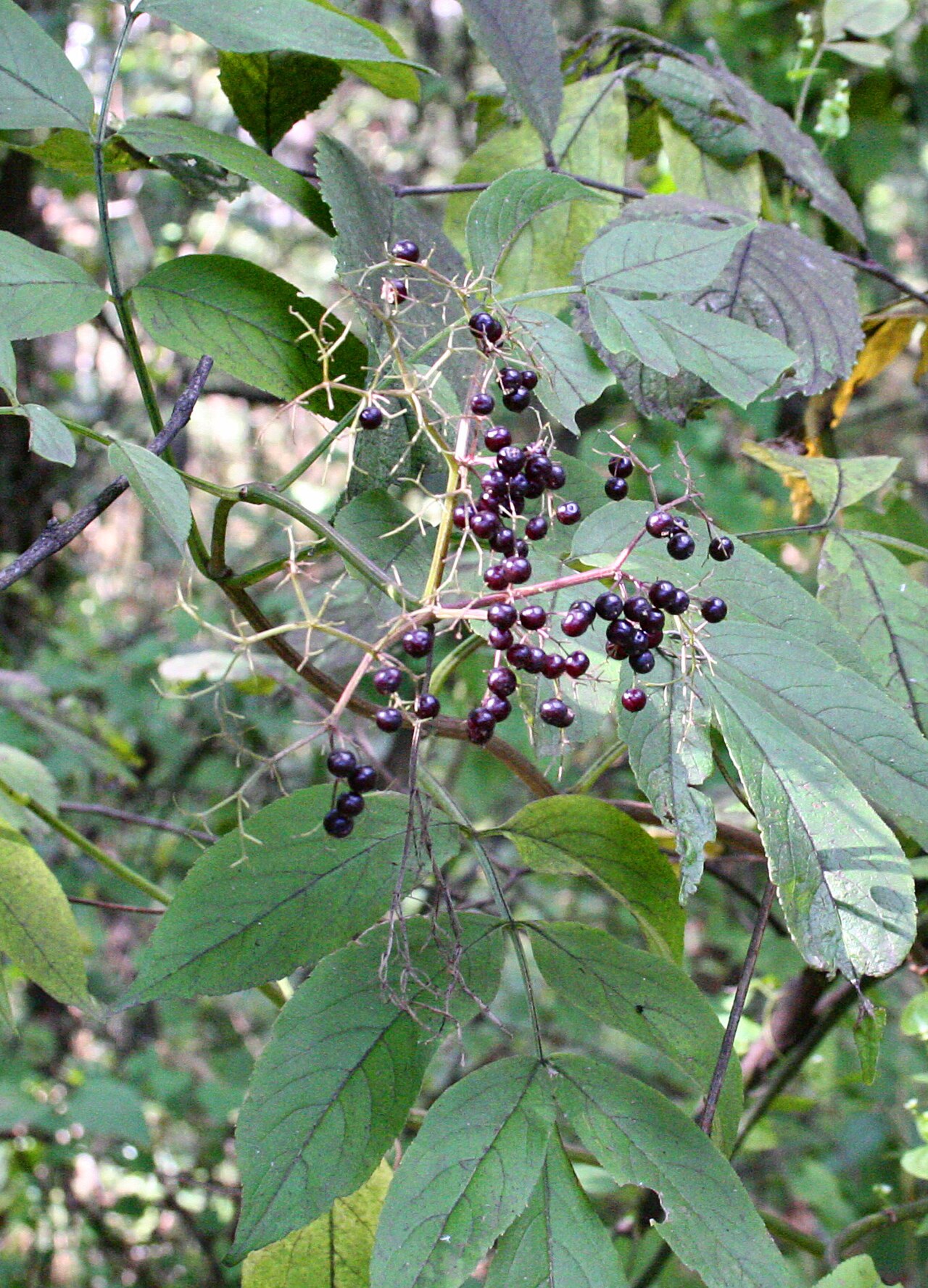
Elderberry is the shrub I send people to when they tell me their soil is too heavy for anything good. It is fast, native, and shrugs off the clay that stalls fussier fruit. In my zone-7b plot it tops ten feet, throws dinner-plate flower clusters in June, and hangs dark fruit by early September — the birds usually beat me to the highest canes.
Raw or under-ripe elderberries (and the leaves, stems, and roots) are mildly toxic to people. Cook the ripe fruit before eating. The birds are fine; you are not a bird.
Care guide
Care guide
Give elderberry full sun and it rewards you with heavier flowering and fruit set. It tolerates part shade but sulks toward leggy.
Water
Moderate and consistent. Elderberry is a streambank plant by instinct — it wants even moisture, especially while fruit is sizing up in mid-summer.
Pruning
Years 1–2: leave it alone; let the framework build. Year 3 on: cut out canes older than three years at the base each winter. Remove anything dead, crossing, or thinner than a pencil.
Propagation
Propagation
The cheapest way to a hedgerow of elderberry is hardwood cuttings taken while the plant is dormant. In late winter, cut pencil-thick first-year canes into 8–10 in lengths with 2–3 nodes each. Sink them two-thirds deep in a nursery row or pot of gritty mix. Keep evenly moist; most root by the end of the first growing season.
Troubleshooting
Troubleshooting
If it flowers but never fruits, you almost always have a pollination problem, not a soil problem. Plant two different cultivars within ~60 ft for reliable fruit set — 'Adams' + 'York' is the classic pair.