
April Birth Flower: Daisy and Sweet Pea
April claims two birth flowers, the cheerful daisy and the sweetly fragrant sweet pea, each with its own deep symbolism and distinct growing personality worth knowing before you plant either one.
April Birth Flowers at a Glance
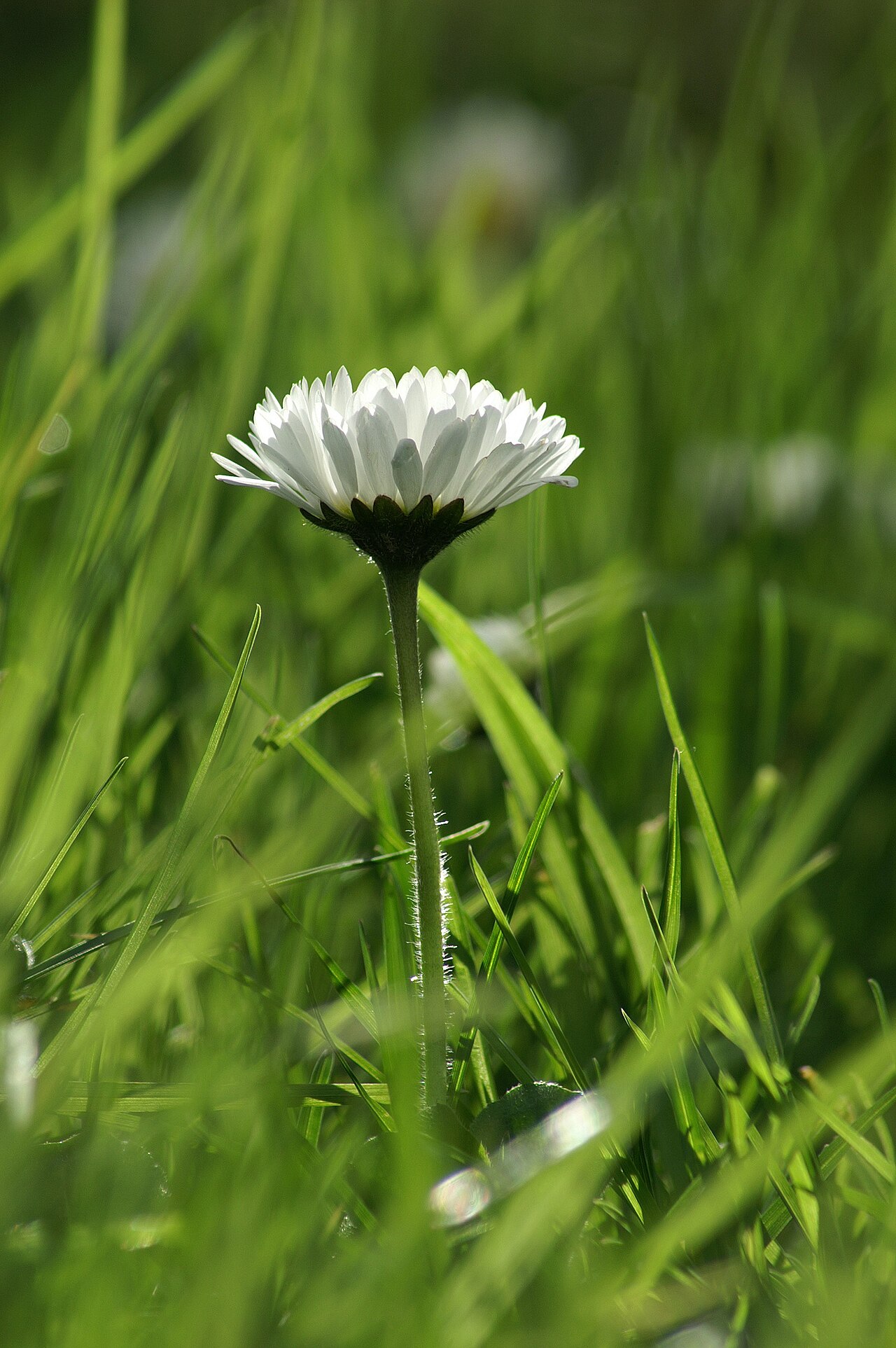
April has two traditional birth flowers: the daisy (Bellis perennis) and the sweet pea (Lathyrus odoratus). The daisy is the primary birth flower for the month, representing innocence, loyal love, and new beginnings. The sweet pea is the secondary flower, long associated with departure, delicate pleasure, and heartfelt gratitude.
Daisies are low-growing cool-season bloomers, thriving in zones 4 to 8, with flowers that open with the sunrise and close at dusk. Sweet peas are vigorous annual climbers that reach 6 to 8 feet on a trellis, blooming hardest in spring and fading once summer heat arrives. Both make meaningful gifts for April birthdays and both reward a gardener who pays attention to their timing.
One important note on sweet peas: the seeds and pods are toxic if eaten, and they should never be grown near edible garden peas, which they can resemble closely enough to cause real confusion.
The April Birth Flowers: Why Two?
Most months share two birth flowers, and April is no exception. The daisy (Bellis perennis) carries the older association, rooted in European folklore and confirmed by centuries of use in May Day garlands and springtime ritual. The sweet pea (Lathyrus odoratus) arrived later in the tradition, gaining its hold in the nineteenth century when the flower exploded in popularity among British and American gardeners and quickly became the scent of spring.
The two flowers share almost nothing in growth habit. Daisies sit low and self-seed through cracks and lawns without much intervention. Sweet peas climb hard and fast on any wire or string you hand them, then collapse the moment July heat settles in. That contrast is part of what makes April interesting as a birth month, it produces both the quiet, persistent thing and the brilliant, short-lived one.
Gardeners in zones 5 and 6 will find both flowers land squarely in their April window. Zones 7 and 8 need to start sweet peas earlier, sowing in January or February for April color before the heat shuts them down. Zones 3 and 4 push sweet pea starts indoors in late winter and transplant carefully once the last frost clears.
The Daisy: Meaning, Symbolism, and Why It Earned Its Name
The common daisy takes its name from the Old English daeges eage, meaning day's eye, because the flower opens its petals at sunrise and folds them shut at dusk every single day. That daily rhythm was not lost on earlier cultures. Chaucer wrote about daisies in the Legend of Good Women around 1386. Shakespeare put them in Hamlet. The flower built a literary resume without trying, simply by being dependable and everywhere.
In Norse mythology the daisy was sacred to Freya, the goddess of love, beauty, and fertility, which is where the association with childbirth and motherhood comes in. In Roman myth, the woodland nymph Belides transformed herself into a daisy to escape unwanted attention, which gives the genus name Bellis its origin. Celtic tradition added another layer: daisies were said to be the souls of children who died in infancy, scattered across fields so grieving parents might find comfort in them.
The symbolism that stuck through all of this is innocence, purity, loyal love, and a kind of pleasant secrecy (hence the old phrase I'll never tell, tied to the daisy). White daisies mean purity. Yellow center varieties lean toward joy and friendship. Pink ones signal affection. The meaning layered over centuries without becoming contradictory, which is rare for any flower, and it is part of why the daisy as a birth flower for April, a month of new beginnings, makes so much sense.
The true April birth daisy is Bellis perennis, the low-growing English or common daisy, but most American gardeners will also encounter it as Shasta daisy (Leucanthemum superbum), Oxeye daisy (Leucanthemum vulgare), and African daisy (Osteospermum) in its extended family. Bellis perennis itself stays 2 to 4 inches tall and behaves as a biennial or short-lived perennial in zones 4 to 8, self-seeding freely through lawns and beds when left alone.
Sweet Pea: Fragrance, Folklore, and the Flowers That Last a Week
Lathyrus odoratus has one of the better origin stories in horticulture. In 1695, a Franciscan monk named Franciscus Cupani discovered the flower growing on a Sicilian hillside near Palermo. He sent seeds to colleagues across Europe, and the plant took off. By the late nineteenth century, a breeder named Henry Eckford had introduced more than 264 named varieties. Then in 1901, a mutation appeared at Althorp Park in England, producing wavy, frilled petals, and the Spencer type was born, which remains the most widely grown sweet pea class to this day.
The symbolism associated with sweet peas is built around transience and gratitude. The flowers mean departure, fond farewell, and thank you for a lovely time. They were the flower you sent when something good was ending. Pink sweet peas signal tender pleasure and affection. Red carries passionate farewell. White means goodbye with gratitude. Purple communicates admiration and thanks. Lavender suggests gentle remembrance. The language here is more specific than most flowers, and it shows in how often sweet peas appear in Victorian correspondence and gift-giving records.
Spencer types produce four large, ruffled blooms per stem and the widest color range of any sweet pea class. Old Spice types are smaller-flowered, mix heat tolerance with intense fragrance, and include some cultivars that are centuries old. Named varieties worth knowing include Mars (crimson-streaked), Memories (lavender-white with plum border), Oban Bay (silver-blue, long-stemmed), and April in Paris (creamy yellow with lilac shading). Old Spice Mix is a reliable fragrance performer that outperforms Spencer types in warmer zones.
One thing most birth flower pages skip entirely: Lathyrus odoratus seeds and pods are toxic. The seeds contain lathyrogens, compounds that interfere with collagen and elastin formation, causing a condition called osteolathyrism if consumed in any real quantity. They are toxic to humans, dogs, cats, and horses. The pods look enough like edible garden peas that this is a real hazard if you grow both, and you should not. Sweet peas belong at least 20 feet from any vegetable bed growing legumes.
Growing Both: Real Notes on Timing, Zone Behavior, and the Failures to Expect
Daisies are forgiving in a way sweet peas are not. Bellis perennis tolerates poor soil, part shade, and cold. It self-seeds freely if you leave spent flowers alone, and in zones 4 through 6 it will return on its own most years. The failure mode for daisies is summer heat: in zones 7 and above, Bellis perennis goes dormant when temperatures push above 75 to 80 degrees Fahrenheit consistently, and it may not return the following year. If you want that white-petal-yellow-center classic daisy look that holds through summer, grow Shasta daisies (Leucanthemum superbum) instead, which are hardy in zones 5 to 9 and bloom June through September with regular deadheading. Alaska and Crazy Daisy are two Shasta cultivars that perform reliably without staking in most mid-zone gardens.
Sweet peas want rich, fertile, well-drained soil and a support structure with strings or wire no wider than a quarter inch in diameter, because their tendrils cannot grip anything thicker. Soak seeds overnight before planting, or nick the seed coat gently with a file to speed germination. Use root trainers rather than standard seed trays: sweet pea roots are long and deep, and disturbing them at transplant time sets the plants back badly. Pinch out the growing tip after the fourth pair of leaves to force branching and more flower stems.
The most important maintenance task for sweet peas is picking. Pick every flower every two to three days, before any seed pod begins to form. The moment the plant sets a seed pod, it reads its job as done and slows flowering sharply. In zones 7 through 10, sow in October or November for spring bloom from April through June. In zones 5 and 6, start indoors in January or February and transplant as soon as the ground can be worked in March. In zones 3 and 4, direct sow as early as the soil is workable, since sweet peas can handle a light frost but cannot handle heat.
History, Folklore, and Maeve's Closing Note on April Flowers
The daisy has a folk medicine history that runs parallel to its literary one. It was once called bruisewort and woundwort because it was applied as a poultice to bruises and minor wounds in European herbalism. The genus name Bellis is believed to derive from bellus (pretty in Latin) or bellis (war, referencing battlefield wound treatment), and both origins show up in historical sources without clear resolution. The flower was also edible, used in salads and as a garnish, though the flavor is mild and slightly bitter.
Sweet peas inspired a level of obsession in Victorian England that modern gardeners rarely see matched. Annual sweet pea shows drew crowds in the thousands. Specialist breeders corresponded like scientists trading strains, and the 264 varieties Henry Eckford released in roughly 18 years still represents one of the more remarkable breeding runs in ornamental horticulture. The name odoratus means fragrant in Latin, and Cupani's original Sicilian wild form was described in contemporary accounts as extraordinarily scented, more intense than most of what breeders produced afterward in pursuit of larger blooms.
I keep both in my zone-7b garden, though they overlap only briefly. The daisies come early and low, filling the front of the bed before anything taller takes over. The sweet peas go up the back fence on jute twine, and from late March through mid-May they are the reason I walk out in the morning before coffee. By the time June starts to bite, the sweet peas are done and the Shasta daisy cultivars are picking up the work. The daisy, in other words, is April's persistent note. The sweet pea is its one brilliant month.