
Tomato Fertilizer
What to feed tomatoes, the NPK numbers that matter, and when to switch from leaf-growth to fruit-set, tested across the raised beds I build every season.
The best tomato fertilizer changes with the plant's stage. Early on, a balanced feed (around 10-10-10 or an organic blend) builds roots and leaves; once flowers appear, switch to a lower-nitrogen, higher-phosphorus and potassium ratio so the plant makes fruit instead of foliage. Feed every four to six weeks during growth, then every four weeks once fruit sets. Calcium matters too: blossom-end rot is a calcium and watering problem, not a disease, so consistent moisture and a calcium-bearing feed prevent it.
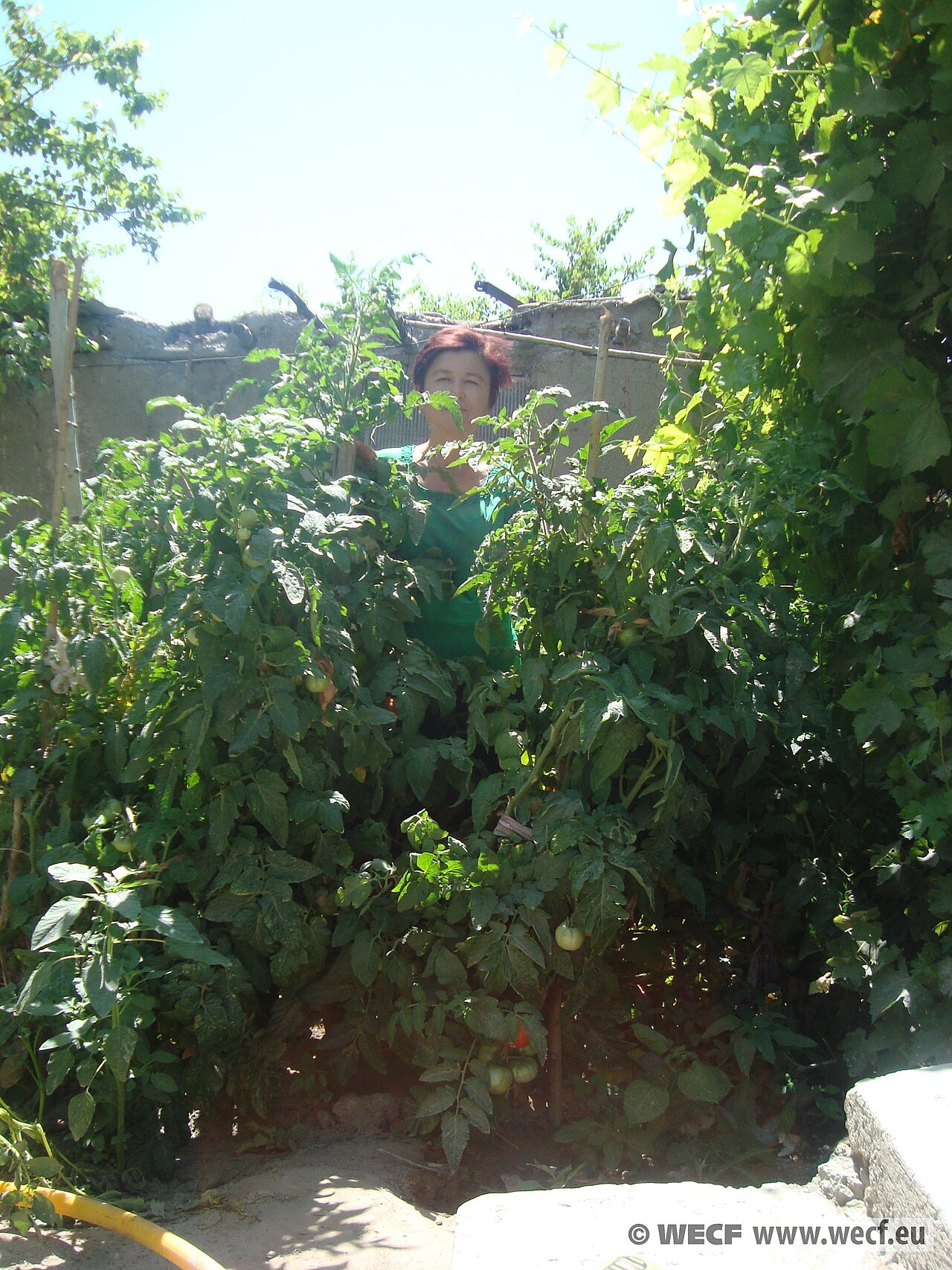
Reading the NPK numbers
Every fertilizer bag carries three numbers, the NPK ratio: nitrogen, phosphorus, potassium. Nitrogen drives green leafy growth. Phosphorus supports roots and flowering. Potassium handles overall vigor and fruit quality. The single most common mistake I see in the beds I build is people feeding tomatoes a high-nitrogen lawn-style fertilizer all summer and getting a five-foot jungle of leaves with almost no tomatoes.
So 10-10-10 isn't wrong, it's just a starting point. A balanced feed like that is fine for a young transplant. The trick is knowing when to stop pushing nitrogen and start favoring the numbers that build fruit.
Match the feed to the stage
Tomatoes have two distinct feeding phases, and I run my beds on both. During early vegetative growth, before flowers, a balanced ratio works best to build root, stem, and leaf. Once flowering begins, tomatoes want low nitrogen and higher phosphate and potash so the plant's energy goes into setting and filling fruit.
| Stage | What it needs | Example ratio |
|---|---|---|
| Transplant / early growth | Balanced, for roots and leaves | 10-10-10 or 3-4-6 organic |
| Flowering / fruiting | Low N, high P and K | 5-7-3 or 4-18-38 |
The shift from the first row to the second, made right when the first flower clusters open, is the whole game. Do that and you trade leaf for fruit at exactly the moment the plant is deciding how much of each to make.
Organic first: what I actually use
I lead with organic feeds in my beds because they release slowly and feed the soil life that, in turn, feeds the plant, so it's much harder to overdose nitrogen and get the leafy-no-fruit problem. The two I keep on the shelf are Espoma Tomato-Tone, a 3-4-6 blend with around 8% calcium built in, and FoxFarm Happy Frog at 5-7-3, which leans into phosphorus for fruit and also carries calcium plus mycorrhizal fungi.
Both of those calcium-bearing organic feeds do double duty against blossom-end rot, which is why I reach for them over a synthetic 10-10-10 most seasons. If you compost, work finished compost into the bed at planting; it won't replace a fruiting feed, but it's the foundation everything else sits on. I link out to my compost and topsoil notes for the base-layer details.
Blossom-end rot is not a fertilizer fix
Here's the honest part most fertilizer labels won't tell you: blossom-end rot, that black leathery patch on the bottom of the fruit, is not a disease and usually not a true soil calcium shortage. It's the plant failing to move calcium to the fruit, and that's almost always a watering problem. Uneven moisture, letting the bed swing from bone-dry to soaked, blocks calcium uptake even when there's plenty in the soil.
I've tested the spray-on calcium products in my own beds; they're a band-aid at best. Consistent deep watering, two to three times a week in summer, plus mulch and a calcium-inclusive feed at planting, is what actually clears it up here.
Timing and how often to feed
My schedule in a raised bed: mix compost and a calcium-bearing organic feed into the soil at transplant. Through vegetative growth, feed every four to six weeks. Once fruit sets, feed every four weeks with the lower-nitrogen, higher-potassium blend. Always water in granular fertilizer, and keep it off the stems and leaves.
At planting: compost plus a calcium-bearing organic feed worked into the bed.
Vegetative stage: balanced feed every 4–6 weeks.
Fruit set onward: low-N, high-P/K feed every 4 weeks.
Less is more with tomatoes. Overfeeding, especially nitrogen, is far more common than underfeeding, and it's the surest path to a beautiful plant that never pays you back in fruit. When I'm unsure, I'd rather feed a little late and a little light than dump nutrients in early; you can always add more, but you can't pull a season's worth of leggy nitrogen growth back out of a plant once it's committed to leaf instead of fruit.
Frequently asked questions
What is the best NPK ratio for tomatoes?
It depends on the stage. A balanced ratio like 10-10-10 or an organic 3-4-6 suits young plants, but once flowering starts, switch to a lower-nitrogen, higher phosphorus and potassium feed such as 5-7-3 or 4-18-38 so the plant builds fruit rather than leaves.
When should I start fertilizing tomatoes?
Work compost and a calcium-bearing feed into the bed at transplant, then feed every four to six weeks through vegetative growth. Once fruit sets, feed every four weeks with a lower-nitrogen, higher-potassium blend.
Does tomato fertilizer prevent blossom-end rot?
Only partly. Blossom-end rot is mainly a watering problem that blocks calcium from reaching the fruit, not just a soil shortage. A calcium-bearing fertilizer helps, but consistent deep watering and mulch to keep moisture steady are what actually prevent it.
Granular, liquid, or homemade: what I reach for
Granular feeds are my backbone because they release slowly and I only have to touch them every few weeks. I scratch the granules into the soil surface around the drip line, keeping them off the stem, then water them in. For a quick correction mid-season, a liquid feed like a diluted fish-and-kelp emulsion acts faster and is useful right when fruit is sizing up and the plant is hungriest.
On the homemade question I get a lot: crushed eggshells worked into the planting hole are fine as a slow long-term calcium amendment, but they break down far too slowly to rescue a plant already showing blossom-end rot this season. Banana peels and coffee grounds are soil conditioners at best, not a balanced feed. If you want results you can count on, a labeled tomato fertilizer with a known NPK and calcium content beats kitchen folklore every time.
Whatever form you choose, test or at least observe your soil first. A plant in rich, compost-amended raised-bed soil needs far less supplemental feed than one in tired native ground, and the fastest way to ruin a tomato crop is to feed a heavy hand of nitrogen into soil that was already fertile. In the beds I build, I'd rather get the soil right once at the start of the season, with compost and a calcium-bearing feed mixed in, than chase problems with bottle after bottle of liquid feed all summer. Good soil up front turns fertilizing from a rescue mission into a light, occasional top-up, and that's the whole goal.