
How to Compost: A Step-by-Step Guide from Pile to Finished Soil
Build the pile, feed it right, leave it mostly alone, screen the finished amendment — the whole composting process in five steps and one season.
Build a 3-foot-square pile in a part-sun spot. Layer browns (dry leaves, straw) and greens (kitchen scraps, fresh trimmings) at roughly 3:1. Keep damp like a wrung sponge. Turn every 2–4 weeks for speed, or leave it for the slow finish. Screen at 6–9 months; the finished compost smells like a forest floor.
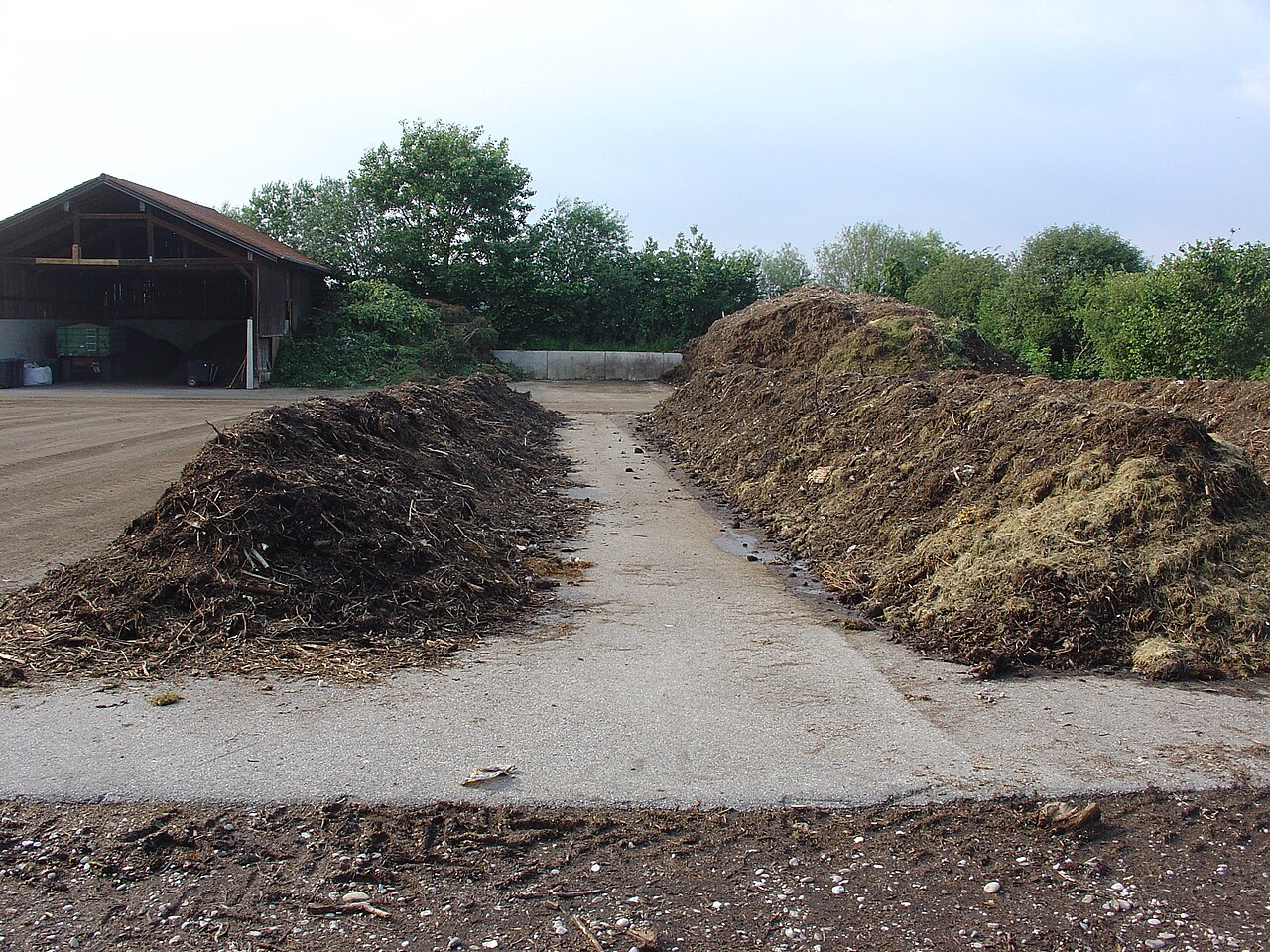
Step 1 — Build the pile
Pick a 3-foot-square area in part sun, near a water source. A simple bin works as well as expensive tumblers: three wooden pallets wired together; a circle of poultry-wire fencing; or just a free-standing pile. Start with 6 inches of coarse browns (twigs, straw) as a base — this lets air in from below and prevents the pile sitting in standing water.
Step 2 — Layer greens and browns
As you add material, alternate: 3 parts browns to 1 part greens by volume. Sprinkle each green layer with a bit of soil or finished compost to inoculate it with microbes. Wet each layer if dry. The pile should always end with a layer of browns on top — this discourages flies and animals.
Keep out: meat, dairy, oily food (rodents, smell); diseased plants (spreads pathogens); pet waste (parasites); herbicide-treated grass clippings (residual chemicals damage future plants). Eggshells, coffee grounds, and tea bags (paper, not plastic) are all welcome.
Step 3 — Water and turn
Squeeze a handful of compost: damp like a wrung-out sponge is right. If water runs out, add browns. If dust comes off, water the pile with a watering can. Turning is optional. Turn every 2 weeks with a pitchfork and finish in 2–3 months; turn monthly and finish in 4–6 months; never turn and finish in 6–9 months. All work.
Step 4 — Know when it's done
Finished compost is dark, crumbly, even-textured, and smells like a damp forest floor. Most original materials are unrecognizable. Some woody bits (avocado pits, citrus rinds, corn cobs) will not have broken down — that is normal. The pile shrinks 50–70 percent from its starting volume.
Step 5 — Screen and use
Screen finished compost through 1/2-inch hardware cloth set over a wheelbarrow. The fine material goes onto beds; the coarse rejects go back onto the next pile to keep decomposing. Apply 1 inch as a topdressing on vegetable beds in spring and fall, or mix 1:1 with topsoil for transplant holes. A well-fed compost pile produces about 1 cubic yard of finished compost per year — enough for two 4×8 raised beds at 1-inch depth.